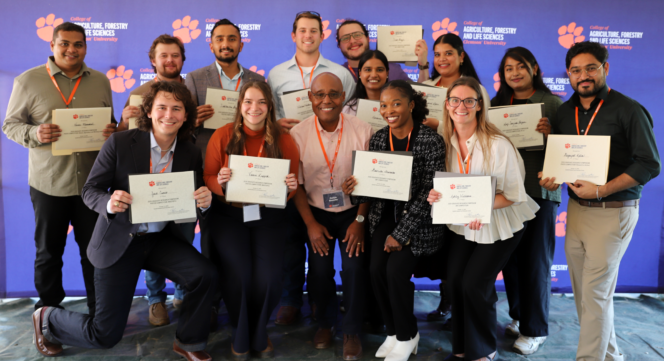
South Carolina eighth-grade teachers spent part of their summer participating in the final Clemson University SOCIAL Studies Academy, where they learned about agricultural concepts and careers.
SOCIAL stands for Studies of Occupations, Culture and Innovations toward Agricultural Literacy.
In its fourth and final year, the goal of the Academy is to provide teachers with tools to integrate agriculture and history in their curricula to help improve students’ agricultural literacy while exposing them to careers in the food and agricultural sciences.
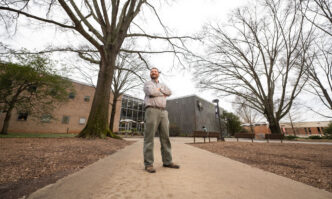
Led by Dale Layfield, associate professor of agricultural education, the program is funded by the United States Department of Agriculture National Institute of Food and Agriculture.
“This program is designed to show teachers how they can integrate history and agriculture in their social studies curricula,” Layfield said. “It provides teachers with a variety of lessons and activities designed to improve their knowledge of careers in food and agricultural sciences.”
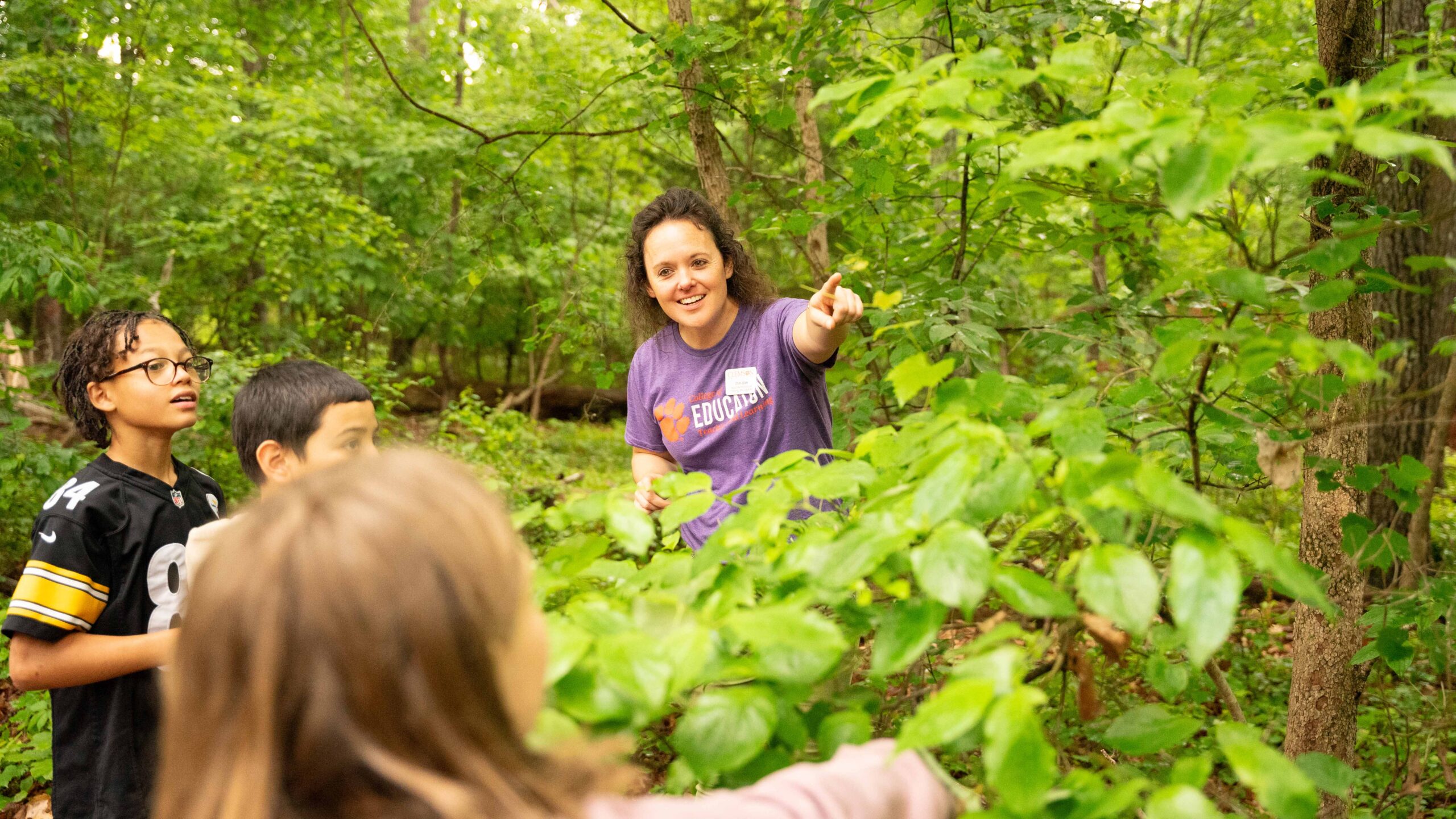
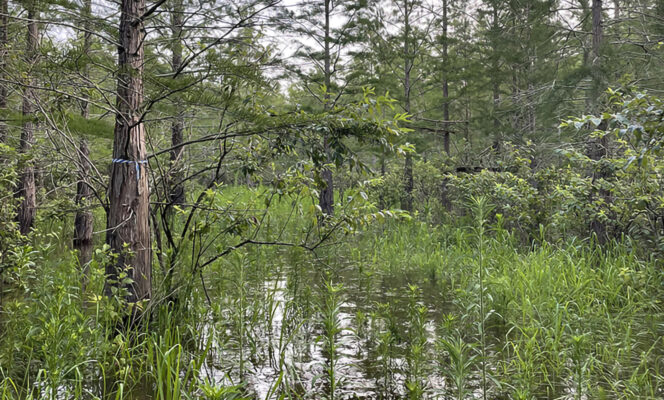
During the program, participants tour Clemson research stations and other facilities, highlighting modern agricultural production. They also take an online graduate course to learn how to develop lesson plans and use other tools to integrate agriculture and history into their social studies curricula that align with one of the state standards.
“What’s exciting about today’s agriculture and natural resources industry is the wide array of opportunities available beyond the farm and field, such as precision agriculture, computing, engineering, communications and even finance,” Layfield said. “Robots, sensors, drones, gene editing technology, GPS, GIS and supercomputers are all part of how college graduates in agriculture are helping tackle challenges associated with sustainably feeding, clothing and sheltering a growing South Carolina and global population.”
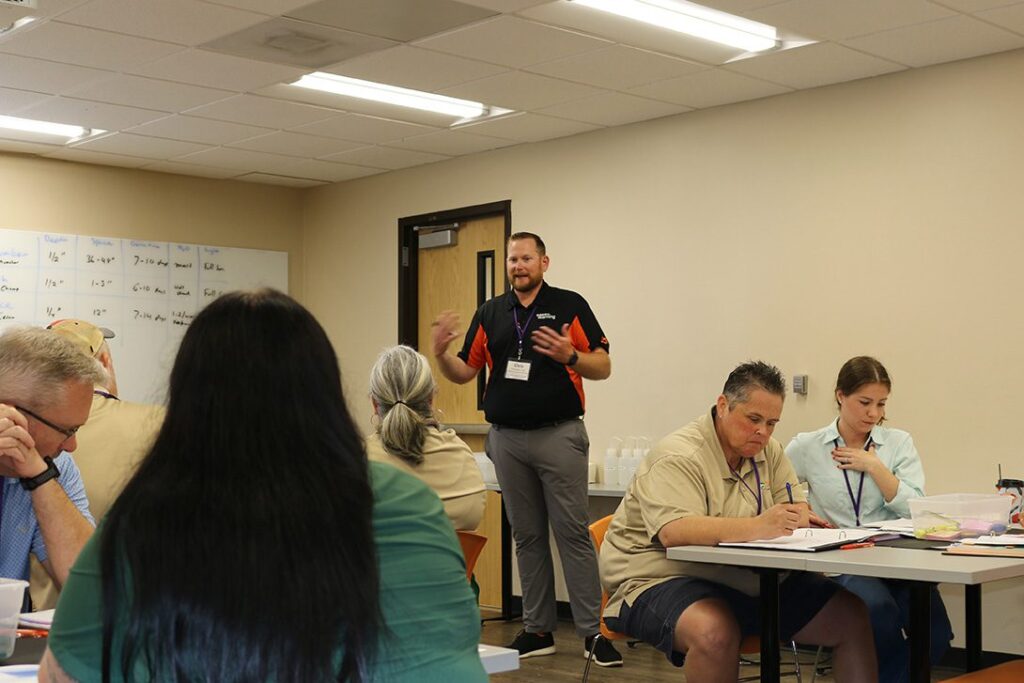
Because technology is becoming more widely used in agriculture, the program also includes a session dedicated to technologies. One session this year focused on the CASE AgXplore (AgX) Middle School Curriculum. It was led by Chris Eck, an agricultural education associate professor at Oklahoma State University and a CASE affiliate professor. The session included both social studies teachers and agriculture teachers.
“The CASE curriculum provides teachers with meaningful professional development and access to engaging, hands-on curriculum,” Eck said.
Providing teachers with curriculum and resources is essential to help them deliver effective instruction in their classrooms, ultimately improving career satisfaction and teacher retention.
“This CASE curriculum provides teachers with meaningful professional development and access to engaging, hands-on curriculum.”
Trainings such as this are pivotal.
“Teaching the AgX curriculum helps to improve students’ agricultural literacy and introduce them to agricultural experiences,” Eck said. “This curriculum works great in middle school agriculture classrooms. It also serves as a cross-disciplinary curriculum to use agriculture as a context to teach a variety of content areas.”
In addition to Layfield, others who worked on the project include Beatrice Bailey, a Clemson professor in the College of Education, and Joseph Donaldson from North Carolina State University.
Program benefits students, teachers
Teachers participating in the 2025 Academy said the information they learned was valuable. One teacher is Rose Marie Craft of the Orangeburg Preparatory School, who will use what she learned from the Academy to teach the students in her geography and history classes.
“What we learned applies directly to the agriculture chapter in my AP Human Geography class,” Craft said. “It also applies to much of the South Carolina history I teach. My students will learn that agriculture is very much needed for us to live. They will also learn about careers available in agriculture and about how research leads to new discoveries that benefit everyone.”
-END-
Teachers’ voices
Teachers from all over South Carolina participated in the SOCIAL Studies Academy. Here are some of their comments.
What we’ve done and learned during this (Academy) has given me a lot of great ideas to use in my program. I have learned a lot of great ideas for hands-on instruction that I can use even on a budget.
– Ashton Myrick, first year ag teacher at Guinyard-Butler Middle School
This information will allow my students to connect agriculture to the world around them. This hands-on approach will allow them to participate in activities that are different from traditional classes.
– Kelly Rauch, Gilbert Middle School
I will definitely use the hands-on activities to engage students. These activities will help students better understand the importance of agriculture and how it affects their daily lives.
– Aaron Temples, Langston Charter Middle School
My students will benefit from my using the AgX curriculum. This curriculum will expose them to the many areas of the agriculture industry and give them opportunities to participate in real-world activities.
– Patricia Moseley, J-E-T Middle School
My students will benefit because these activities will help them further develop their critical thinking skills.
– Edward “Eddie” Williams, Landrum Middle School
Agricultural programs are offered at our Applied Technology Center. I will use this information to promote the program and share career opportunities with our students.
– Paul Johnson, Dutchman Creek Middle School
What we learned applies directly to the agriculture chapter in my AP Human Geography class. It also applies to much of the South Carolina history I teach. My students will learn that agriculture is very much needed for us to live. They will also learn about careers available in agriculture and about how research leads to new discoveries that benefit everyone.
– Rose Marie Craft, Orangeburg Preparatory School
This (information and material) will help me teach students about opportunities available in the agriculture field. It will help get them excited about learning.
– Crystal Coleman, Ridge-Spring Monetta Middle/High School
We learned a lot of great information and ideas to use for teaching about agriculture in our classrooms. I plan to implement this curriculum in my lessons so that the students can see how agriculture affects their daily lives.
– Haley Livingston, Ridge-Spring Monetta Middle/High School
We learned basic survival skills to teach our students. Our students need to know where their food comes from.
– Nora McMillan, Starr-Iva Middle School