

Clemson News































































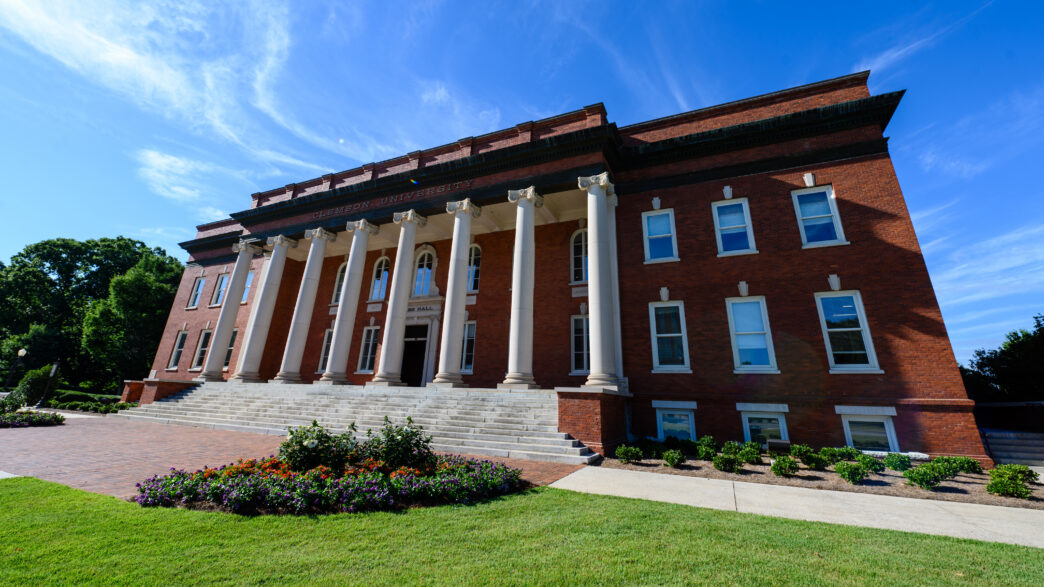
Vice President and Chief Information Officer Brian Voss announces retirement
Brian D. Voss, Clemson’s vice president and chief information officer, has announced plans to retire at the end
Read More »

Midterm elections are coming up on Tuesday, Nov. 3
Clemson students, faculty and staff are encouraged to participate and vote in the upcoming midterm elections on Tuesday,
Read More »
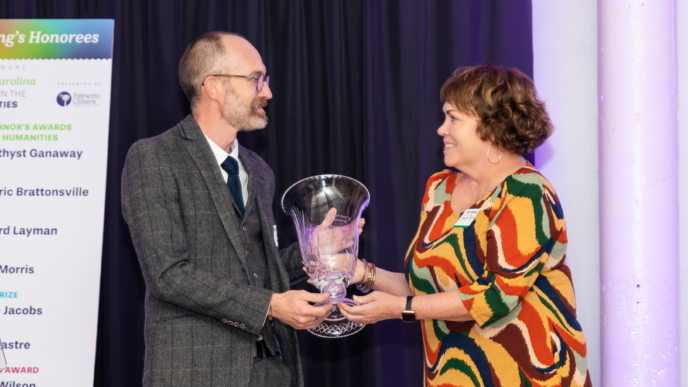
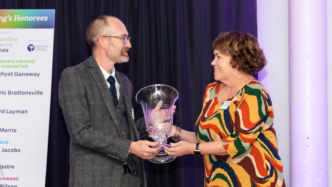
History professor Brent Morris honored with Governor’s Award from SC Humanities
Professor Brent Morris of the Clemson University Department of History and Geography was recognized with the Governor’s Award
Read More »

Clemson to offer limited voluntary separation program
As Clemson continues to plan for the future and identify opportunities to strategically invest in its mission, the
Read More »
Associate professor in the Department of Communication earns Fulbright Scholar Award
Surabhi Sahay, associate professor in the Department of Communication, has earned a Fulbright Scholar Award to examine how
Read More »
Compliance and Ethics Week events from October 26–30
The University will hold several events in observance of Compliance and Ethics Week, providing an opportunity to learn
Read More »