A Clemson University scientist is working on a project that could change how we think about agricultural waste—and help the planet in the process.
Based at Clemson’s Coastal Research and Education Center in Charleston, Brian Ward is developing a system that transforms leftover farm materials into eco-friendly fertilizer and renewable fuel. His work could offer farmers a cleaner, more affordable way to nourish crops while reducing pollution and dependence on petroleum-based products.
Why this matters
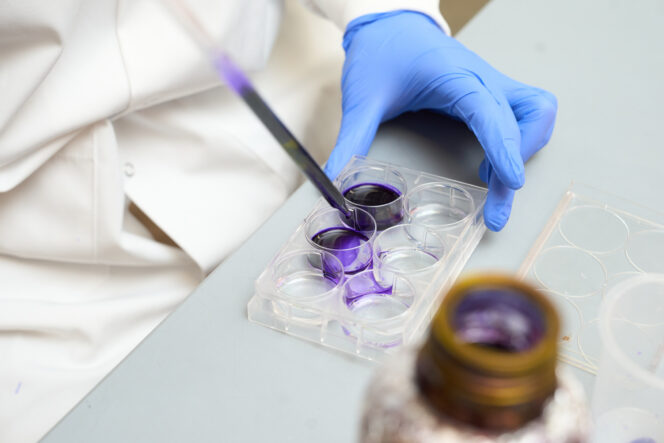
Traditional fertilizer production is energy-intensive and contributes significantly to greenhouse gas emissions. Ward’s approach uses natural bacteria to create ammonia-based fertilizer from protein-rich waste—like vegetable scraps and other byproducts—offering an alternative that’s better for the environment.
“This technology could reshape agriculture,” said Ward, an organic vegetable specialist. “We’re turning waste into something valuable, which helps farmers, supports the organic food market and protects the planet.”
The project is moving forward in stages, starting with lab testing and scaling up to a pilot system, with plans for commercial production. Early results are promising, and industry leaders are already expressing interest. Dale Opheim of Opheim Seed and Chemical in Iowa says the technology could help meet growing demand for organic fertilizer while lowering costs.
“It’s exciting to see a solution that’s good for growers, the environment and the economy,” Opheim said.
The timing couldn’t be better. Consumer demand for organic food has surged in recent decades. Today, environmentally-friendly farming practices are more critical than ever.
Ward’s system supports food security and contributes to global efforts to reduce carbon emissions and combat environmental changes.
The project is supported by a $35,000 grant from the Clemson University Research Foundation. The study runs through June 2026.
For more information, contact Ward at bw@clemson.edu.