COLUMBIA, S.C. — Following the U.S. Department of Agriculture’s recent confirmation of New World Screwworm (NWS) in Texas and New Mexico, Clemson Livestock-Poultry Health (CULPH) and Clemson Department of Pesticide Regulation are encouraging livestock owners, veterinarians and animal health professionals to remain vigilant while emphasizing that South Carolina is actively preparing for the potential threat.
While NWS is currently only detected in the Southwestern U.S., South Carolina preparations include working closely with federal partners, veterinarians, livestock producers and industry stakeholders to ensure the state is prepared should the pest move eastward.
Additionally, Clemson Livetock-Poultry Health has announced that effective immediately, it will enforce additional interstate movement health requirements for warm-blooded animals entering South Carolina from states with reported NWS cases.
“Preparedness is our best defense,” said Mike Neault, South Carolina State Veterinarian and director of Clemson Livestock-Poultry Health. “While South Carolina has no confirmed cases, we are taking proactive steps to ensure producers, veterinarians and animal health professionals have the information, resources and tools they need should New World Screwworm be detected here.”
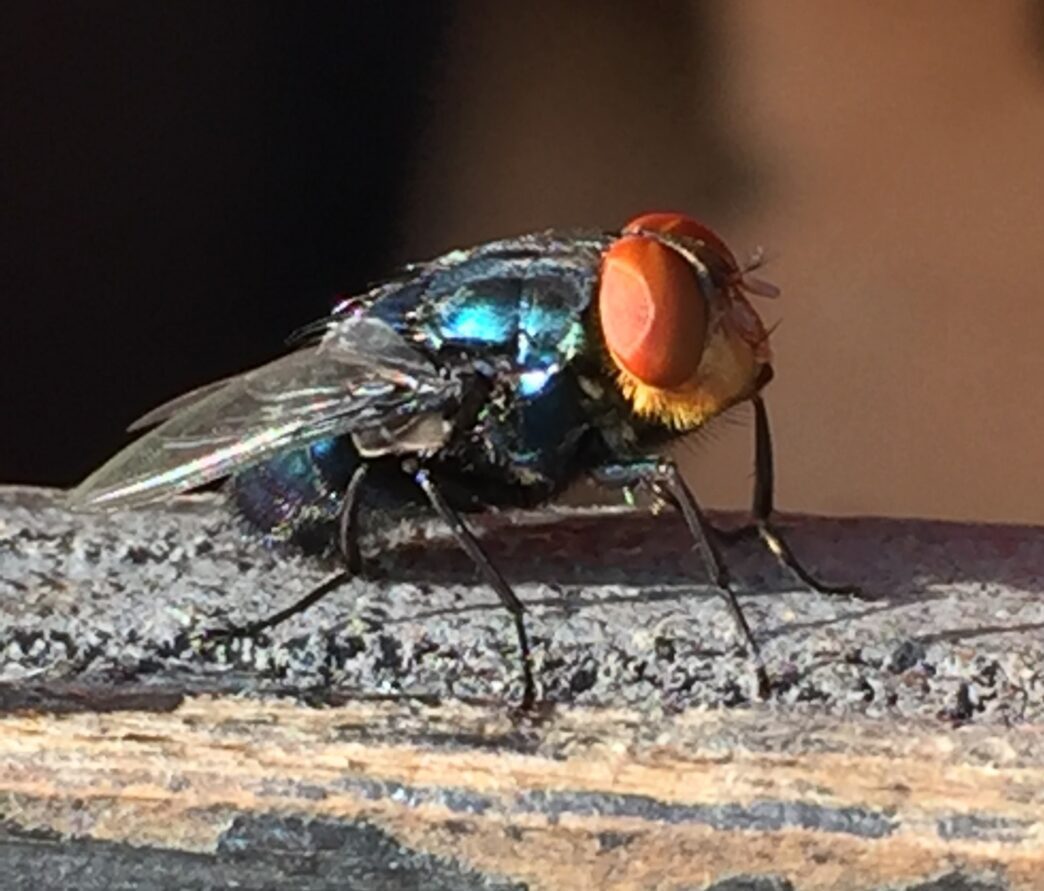
New World Screwworm is a parasitic fly whose larvae feed on the living tissue of warm-blooded animals. Unlike common maggots that feed on dead tissue, screwworm larvae invade living tissue through wounds and other openings, causing severe injury, secondary infections and, if left untreated, death. The pest can affect cattle, horses, sheep, goats, swine, companion animals and wildlife.
South Carolina successfully eliminated New World Screwworm in 1959 after first identifying the pest in the state in 1934. Officials say the same science-based principles that led to eradication decades ago—including surveillance, rapid reporting, animal movement controls, treatment options and the Sterile Insect Technique—would be used again if necessary.
As part of the state’s preparedness efforts, Clemson Department of Pesticide Regulation has worked to ensure that a broad range of animal treatment and premise-control products are available to support New World Screwworm response efforts should the pest be detected in South Carolina. Approved products include:
Animal Treatments
• Catron IV
• Clean-Up II™ Pour-On Insecticide with IGR
• Co-Ral® Fly and Tick Spray
• CyLence® Pour-On Insecticide
• Durvet Inc. Screw Worm Aerosol
• Permectrin™ CDS Pour-On Insecticide
• Permectrin™ Fly & Louse Dust
• Prozap® Screw Worm/Ear Tick
• Troika® Pour-On
• Aspen Veterinary Resources Ltd. Screw Worm Aerosol
Premise and Facility Treatments
• CyLence Ultra™ Pest Control Concentrate
• CyLence Ultra® Premise Spray
• Elector™ PSP Premise Insect Control Agent
• Evergreen® Pro 60-6
• Sector® Misting Concentrate
• Troika® Farm and Livestock Aerosol
• ULD BP-100 Contact Insecticide II
• Vapona™ Concentrate Insecticide
Some of the products are intended for direct application to livestock, while others are designed for use in barns, stables, kennels and other animal facilities. Several may provide preventative action against adult screwworm flies, while others may help manage both adult flies and larvae as part of a broader response effort. Clemson officials stress that no single product should be viewed as a standalone solution and that successful control relies on a comprehensive integrated pest management approach.
“These products represent one component of a larger preparedness strategy,” said Michael Weyman, assistant director of Clemson Department of Pesticide Regulation. “Effective response depends on early detection, rapid reporting, biosecurity, veterinary care, surveillance and coordinated action among state, federal and industry partners.”
Officials encourage producers to monitor animals regularly and watch for wounds that do not heal, foul-smelling wounds, unusual irritation or evidence of larvae in living tissue. Newborn animals, surgical sites and other open wounds should receive particular attention.
Anyone who suspects New World Screwworm in domestic animals should immediately contact Clemson Livestock-Poultry Health at 803-788-2260.
Suspected cases in wildlife should be reported to the South Carolina Department of Natural Resources at 803-734-3886.
Any suspect or potential case in a human must be reported immediately to the South Carolina Department of Public Health via the regional epidemiology office or the statewide emergency number (1-888-847-0902).