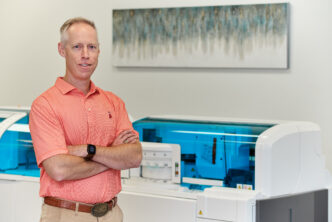

Ted Swann didn’t arrive at Clemson University with a lifelong plan to become a doctor. He started out as an engineering student, still trying to figure out what interested him.
Clemson itself, however, was never a question.
His father graduated from Clemson in 1963, and his two older sisters went there, too. After moving around for the father’s job, the family moved to Greenville, South Carolina, to start Swann’s first-grade year, putting them close enough geographically to become regulars in the “Clemson Family,” Swann said.
When it was time to apply to college, Swann sent an application to only one school so he could follow the path other members of his family had taken before.
The field of his studies was less certain. The biology teacher at his high school received poor reviews so Swann took chemistry instead.
First seed
The first seed to a possible medical career was planted during the summer after his high school graduation when he and a friend stopped by the friend’s father’s radiology office to pick up some spending money. While waiting, Swann watched the radiologist caring for a patient, making subtle adjustments to get the scan just right.

That prompted Swann to take a biology class at Clemson before the regular academic year began. He discovered he was fascinated by the living world and changed his major to biological sciences.
“I really fell in love with the life sciences and how it all works. I think it’s a miracle,” he said. “The more you zoom in, the more amazing it gets.”
Meeting Dr. Bill Dukes, a family physician in Clemson, during his junior year solidified his decision to pursue family medicine as a career. Dukes, who Swann described as an old country doctor, became a mentor and sort of grandfather figure. Swann spent time shadowing Dukes and spending time with him outside the office.
Swann said Dukes showed him that being a physician meant more than seeing patients in the exam room. In a small town, it meant becoming a part of people’s lives and the community in which they lived. In that earlier era of medicine, Dukes did it all —delivering babies and caring for generations of families in Clemson.
Building confidence
His time at Clemson also helped Swann build confidence in his own abilities.
As a sophomore, he worried about whether he was capable of going to medical school. He had heard organic chemistry could be a litmus test for future doctors, so he made the class his own test. He studied hard with classmates. His small study group excelled. Their professor offered them an oral exam; if they could answer his questions, they would exempt the final. They did.
“It felt like such a victory. It gave me a ton of confidence that I had what it takes,” he said.
Swann also took on leadership roles on campus, ultimately serving as student body president.
“Clemson really cares about what students think. It’s unique to this University. When you elevate students and really value what they have to say, they rise to the occasion,” Swann said. “I was invited into rooms that I didn’t expect to be invited into, and I was asked to be involved in high-level conversations where what I had to say mattered.”
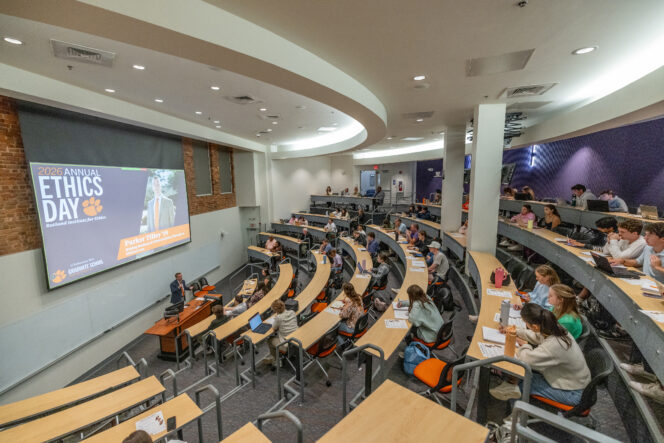
He was joined Tiger Brotherhood, the oldest student organization on campus, and remains involved today as a moderator for Socratic seminars with student leaders.

“Do hard things”
“I encourage students to find the courage to do hard things. When you learn you can do that, it really accelerates the path to success,” he said.
After medical school and residency, Swann returned to Clemson to practice alongside Dr. Dukes in his small practice that by then was being managed by AnMed Health.
During his seven years at the practice, he felt the incentives around him changing. Appointments were getting shorter and the demands of the larger system left less room for the kind of work he valued.
At the same time, Swann was learning about lifestyle medicine and how sleep, stress, food, activity and other daily habits can optimize health as well as manage disease. He wanted time to understand how these lifestyle factors had come to life in each patient. A physician’s recommendation, he realized, isn’t enough if it won’t be followed and a plan must account for the realities that challenge and inspire people’s choices.
Practicing his way
With Dr. Dukes’ blessing, Swann started Swann Medicine, a small practice designed to give patients more time and a closer relationship with their physician. Patients pay an annual fee, which allows the practice to stay small. He makes himself available, appointments start on time and there’s room to explore concerns in depth. The goal is for patients to thrive. But when complex medical needs arise, Swann coordinates and collaborates with specialists while remaining a consistent point of contact. It was the first practice of its kind in Clemson.
“I’m in the quality-of-life business,” he said. “Let’s get busy living.”
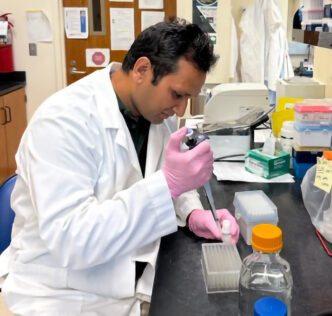
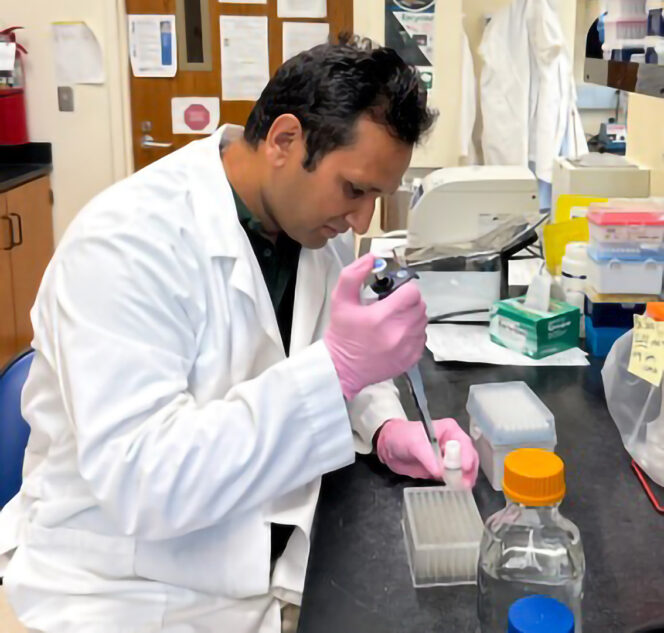
During the COVID-19 pandemic, Swann played a key role in helping develop Clemson’s own saliva PCR testing effort that brought people and resources together to meet an urgent need. Self-collected samples and in-lab efficiencies enabled a small staff to handle massive volumes of tests in the peak of the pandemic. The ingenuity of Clemson scientists made the test one of the most timely and efficient PCR tests in the world.
“It showed me what could happen when talented people were given the freedom to collaborate,” he said. “Playing a role in that is one of the most meaningful things I’ve ever been a part of,” he said.
That experience inspired him to start TIGER Diagnostics, a patient first, physician-led, community minded laboratory based in Piedmont, South Carolina. The decision came when the lab Swann was using to process patient samples for diagnostic testing was acquired by a national company and the quality of service declined, challenging his best work as a physician.
“We never forget that these samples are really patient lives,” he said. TIGER, as he calls it, is built to serve the whole State of South Carolina.