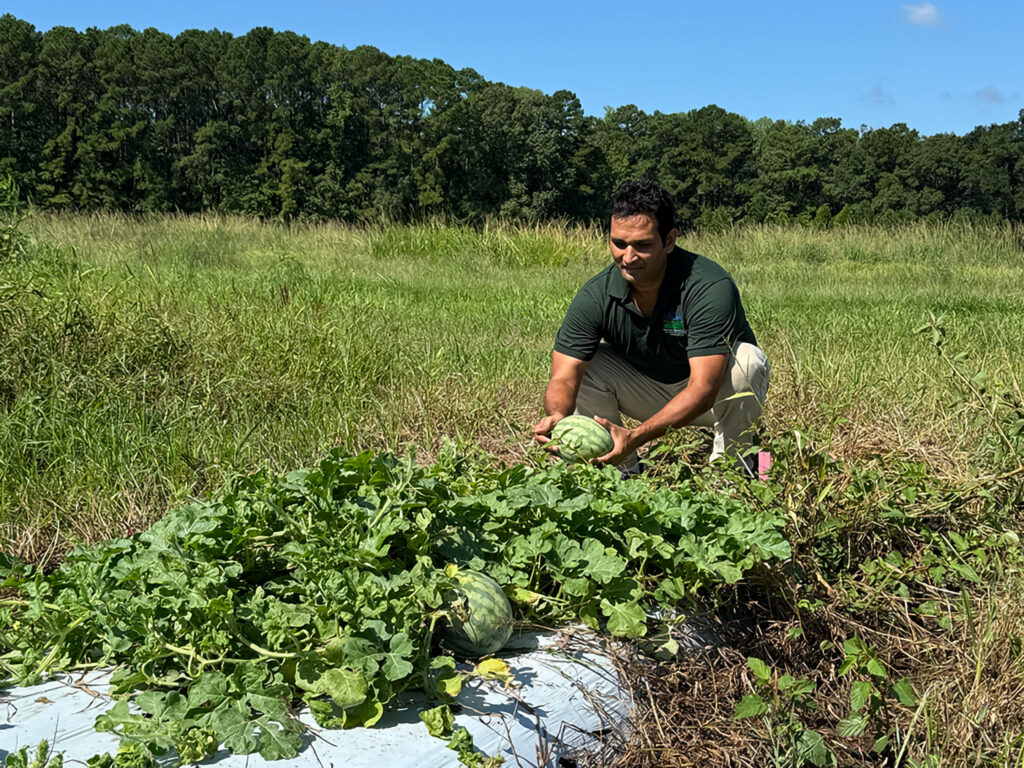
Watermelon is the largest acreage vegetable crop grown in South Carolina. To help ensure watermelons are available to eat for years to come, Clemson University and U.S. Department of Agriculture (USDA) Agricultural Research Service (ARS) scientists are developing disease-resistant watermelon breeding lines.
They are also developing tools to help breeders identify and incorporate promising traits, giving watermelon growers ways to protect their crops from diseases.
The work targets powdery mildew, Phytophthora fruit rot and anthracnose. These diseases can weaken plants, damage fruit and reduce yields.
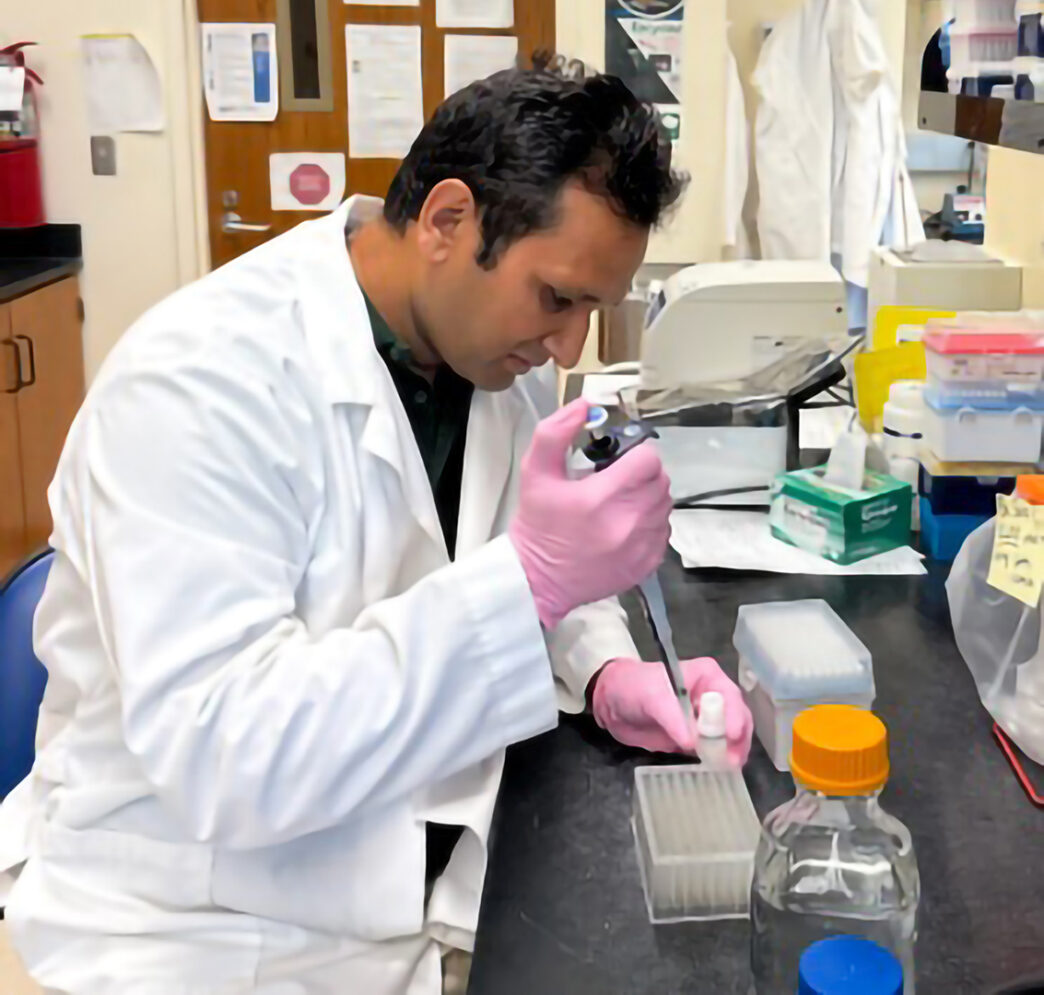
“Building resistance into watermelon can help limit crop losses and reliance on repeated pesticide applications,” said Rahul Kumar, a Clemson postdoctoral researcher working with Shaker Kousik, a USDA-ARS research plant pathologist, and R. Karthikeyan, Charles Carter Newman Endowed Chair of Natural Resources Engineering in the agricultural sciences department on Clemson’s main campus. The collaborative research work is based at the USDA-ARS Vegetable Research Laboratory and the Clemson Coastal Research and Education Center (CREC) near Charleston.
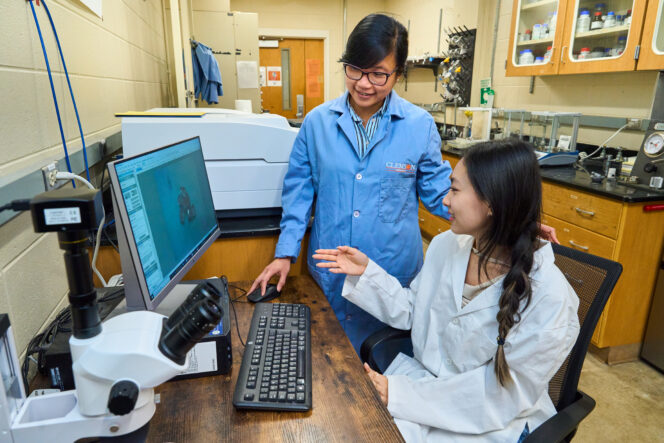
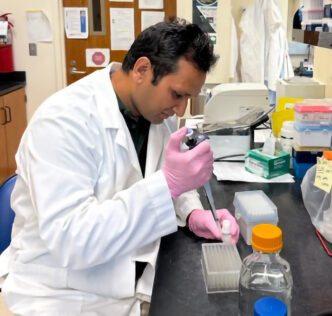
The scientists combine traditional plant breeding with molecular marker-assisted breeding. They grow and test watermelons in fields and greenhouses, then study the DNA to identify genomic regions linked to disease resistance.
Molecular marker-assisted plant breeding is a shortcut to breeding better crops by reading their DNA rather than waiting for the plants to grow. Instead of crossing plants and spending years growing them to see which ones turn out sweet, tough, or disease-resistant, scientists look at tiny genetic signposts, or molecular markers, in baby seedlings’ DNA to determine if they inherited the desired traits.
Findings from this study are used to develop DNA-based markers to help breeders spot promising plants before they show signs of disease.
For powdery mildew, the team found watermelon plants that resist the disease. They also identified a DNA region linked to that resistance that was developed into a marker. Powdery mildew can weaken plants by damaging their leaves and limiting their ability to make food, which can also affect fruit. The DNA markers can help breeders determine resistant plants.
Phytophthora fruit rot is a disease caused by Phytophthora capsica. The scientists identified several regions of the watermelon genome associated with resistance to this disease, which thrives in warm, wet conditions and can destroy fruit. Bringing several resistance-linked traits together in a single breeding line can help reduce damage by providing long-term resistance.
“Research on Phytophthora fruit rot is a top priority for the team and the National Watermelon Association,” Kousik said.
Anthracnose, caused by a fungal pathogen, can damage watermelon leaves, stems and fruit. The scientists are testing different watermelon germplasm and breeding lines to find new sources of resistance.
The team is also studying how watermelon plants react to these pathogens at the DNA and RNA levels. DNA data is used to estimate which plants are likely to have useful traits.
“Together with field and greenhouse tests, these approaches can help breeders develop more disease-resistant watermelons quicker,” said Patrick Wechter, director, CREC.
RNA sequencing and genomic prediction are used to study how plants respond to disease and estimate which plants are most likely to carry useful traits.
“The long-term goal is to develop watermelon lines that are more resilient and productive while maintaining fruit quality,” Karthikeyan said.
The team is making resistant breeding lines available to industry, which will then use them to develop new commercial varieties with resistance. The team has also developed several DNA-based tools that breeders are using to speed up the incorporation of resistance into new varieties. For more information, breeders can email Kousik at shaker.kousik@usda.gov or Kumar at rkumar2@clemson.edu.
“Seed companies must combine disease resistance with traits such as yield, fruit quality and consumer appeal before releasing new varieties,” Kumar said.
New varieties could be available to growers within four to five years.
For those who find it confusing to call watermelon a vegetable, Anna Sarah Hill, a Clemson Extension horticulture agent in Barnwell County, offers an explanation. In The Watermelon Journey: History, Cultivation and Harvest in South Carolina, Hill explains that botanically, watermelon is a fruit, but the USDA classifies it as a vegetable. For more information, see Hill’s article on the Clemson Home and Garden Information Center’s website.
According to the USDA National Agricultural Statistics Service, watermelon had a production value of $18,548,000 in South Carolina in 2025.