Associate Professor, Department of Automotive Engineering – College of Engineering, Computing and Applied Sciences
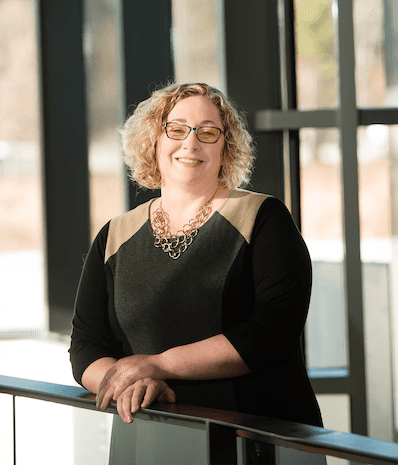
Vehicle design is more than engines, electronics and aesthetics — it’s also about crafting the interaction among drivers, passengers, vehicles and environments for safer, accessible and enjoyable travel. As a seasoned human factors psychologist with more than 100 IP disclosures, Brooks’s research focuses on designing vehicles and transportation systems with the human experience in mind. Thanks to her work, Clemson’s Department of Automotive Engineering is one of the only departments of its kind with a psychologist on faculty.
Executive Director of the Center for Career and Professional Development
What can students expect as they transition into the workforce, and how can they stand out to employers? These are the questions Neil Burton and his team seek to answer on a daily basis. As the leader of the country’s premier career center, Burton provides career guidance and resources to Clemson’s 25,000 students, and his team is a big reason why 90 percent of Clemson graduates are employed, continuing or planning to continue their education or are not currently seeking employment within six months of graduation.
Associate Professor, Forestry and Environmental Conservation Department and Biological Sciences Department
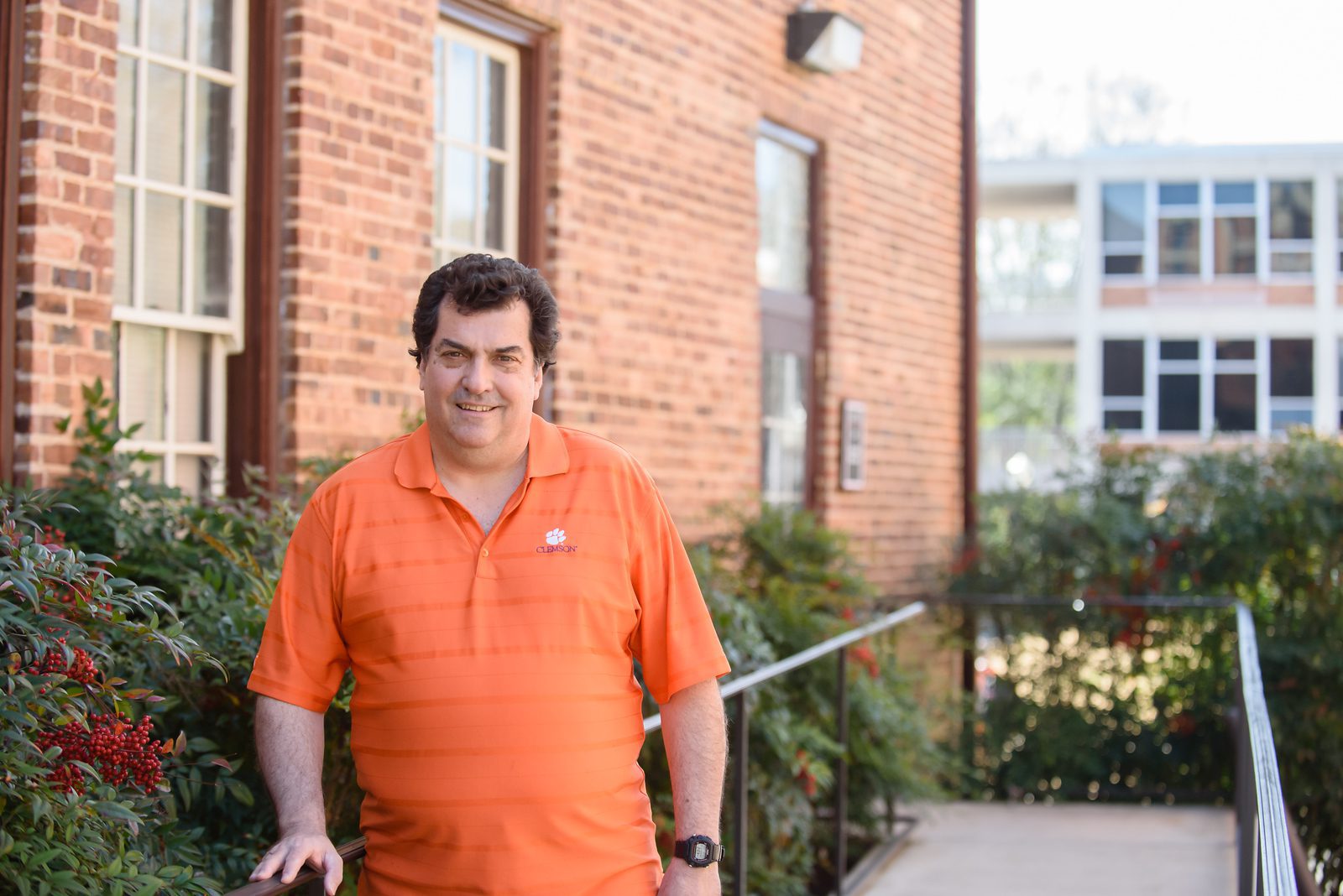
Marine communities are one of the most threatened ecosystems on the planet, as changes in water quality and rising temperatures are having major impacts on these important communities and the fisheries they support. Coral reefs are becoming increasingly damaged, also known as coral bleaching. Clemson University expert Michael Childress provides in-depth insight into how marine heat waves impact the health and function of coral reefs and marine life. Childress’ research focuses on understanding the impact of habitat loss on the conservation of marine communities.
Executive Director, Clemson University International Center for Automotive Research | Assistant Vice President, Office of Corporate Partnerships and Strategic Initiatives
With more than twenty years’ experience in higher education, industry and public service, David Clayton is an expert in southeast economic development strategy, advanced manufacturing and the mobility industry. His work spans public-private partnership development, corporate engagement, business development, market research, financial services, transportation and nuclear engineering. Working closely with industry, Clayton develops corporate partnership models supporting opportunities for students as well as industry partners that are in line with Clemson’s land-grant mission to the state and its residents. Clayton can speak to trends in advanced STEM education, economic and workforce development in the southeast regional, and the mobility industry as a whole.
Associate Professor Forest Health and Invasive Species; Forestry and Wildlife Resources Program Team, Department of Forestry and Environmental Conservation
A little over 67 percent of South Carolina is forestland. Aside from a $23 billion economic impact on the state, forestland contributes to the health and recreation of residents. Urban areas also benefit from the strategic landscaping of trees and plants, adding to the environmental sustainability and quality of life in those locales, so one invasive species — whether pest, plant or tree — has the potential to negatively impact the ecosystem if left unmanaged. As a recognized expert in forest health and a wide range of invasive species, David Coyle examines nonnative fauna and flora and teaches both professionals and the public management or eradication strategies for these pests.
Libraries play a key role in curating trustworthy sources, supporting information literacy and helping people evaluate what they read. They are critical infrastructure for education and research, and this impact extends far beyond a college campus, shaping a more informed public. As Dean of Libraries at Clemson University, Christopher Cox directs a complex library system comprised of six libraries across South Carolina that supports thousands of students, faculty, staff and researchers. His work sits at the intersection of information access, technology and public trust — areas that are increasingly central to national conversations. He can speak to how universities manage and distribute knowledge, how libraries are adapting in the digital age and why access to credible information is more critical than ever. By strengthening Clemson’s library system and joining the Association of Research Libraries, Cox has helped elevate the University’s ability to contribute to national and global research conversations.
Ron and Jane Lindsay Family Innovation Professor, Professor of bioengineering – College of Engineering, Computing and Applied Sciences
Biomedical innovation requires the need for high- and low-tech options to meet medical needs around the globe. Dean’s reach focuses on providing solutions to meet these needs through varied medical devices that aid health care providers and communities in rural settings. Her work has led to the development of a cervical collar made from African grasses to a new, less invasive detector and marker for breast cancer surgery patients.
Professor of art and architectural history, Department of Art – College of Architecture, Arts and Humanities
Andrea Feeser examines artworks’ conditions and connects them to the circumstances, cultures and moments in time that led to their creation and how their existence relates to what’s happening in the world today. Her research into the histories of place and community with respect to intertwined cultures and environments has had a global impact, redefining perceptions from the tourism industry in Hawaii to colonial indigo production and use in the American South. Her expertise in art history was sought out to help revise the AP Art History exam in 2016 and for decades has helped laypeople recognize the arts and humanities as some of the most important elements in life.
Director of the Clemson Rural Health, Professor in the College of Behavioral, Social and Health Sciences
In parts of the state where health care can be hard to access, Clemson Rural Health works to transform health outcomes by reducing premature mortality, preventing avoidable hospitalizations and improving the overall quality of life. As Director of Clemson Rural Health, Ron Gimbel leads Clemson University’s statewide efforts to expand health access by combining innovative technology, pioneering research and field-based mobile clinics that deliver care directly to the communities that need it most. His research focuses on the intersection of health services research, medical informatics and population health, leveraging to improve access to care and patient outcomes.
Dean of the College of Behavioral, Social and Health Sciences, Professor of Sociology
While most of our food is grown in rural communities, the people in these areas experience a disproportionate level of food insecurity. This reality brings additional challenges in employment, education and health as rural communities face additional burdens in terms of transportation, social isolation and access to many key social determinants of health. In understanding the importance that hunger and nutrition play in human health, rural sociologist Leslie Hossfeld has dedicated her career to facilitating change and creating access to one of the world’s most basic needs: food. To do so, she has done extensive research and built programming focused on community and economic development, agrarianism, food environment and food and nutrition security across educational, nonprofit and government entities.