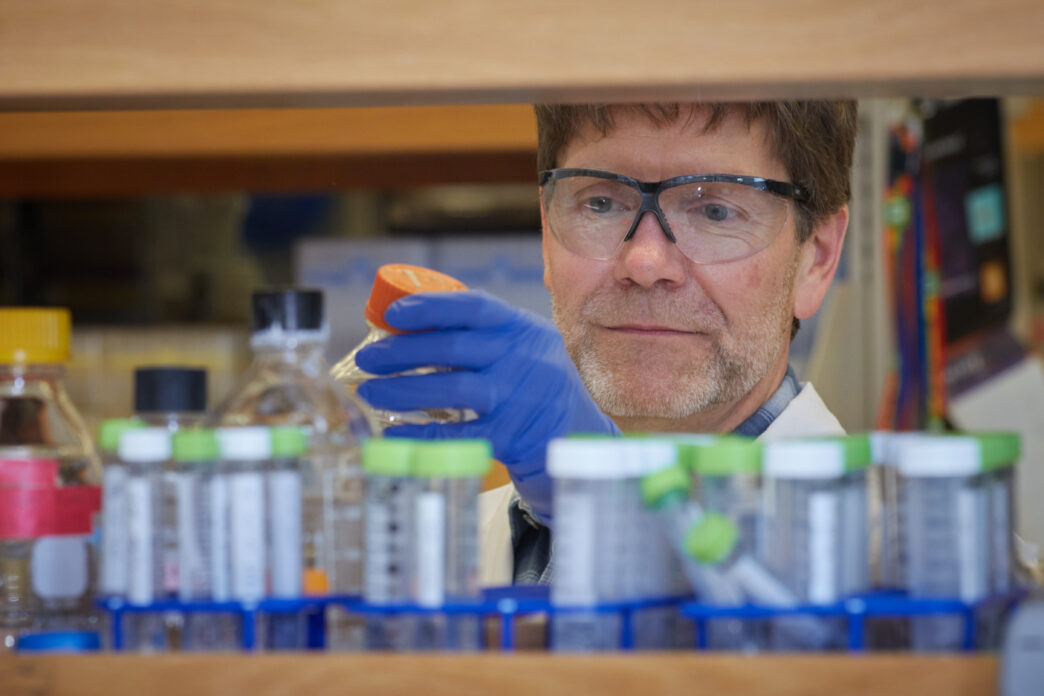
More than a dozen years ago, six Clemson University assistant professors who studied eukaryotic pathogens realized they could accomplish more together than they could individually.
Since then, researchers in the Clemson Eukaryotic Pathogens Innovation Center (EPIC) have been at the forefront of biomedical research on parasitic and fungal pathogens that threaten the health of billions of people worldwide, securing more than $61 million in federal funding.
Now, EPIC is taking it to the next level.
EPIC, which is one of Clemson’s largest research centers, has joined with partners from around the world to form EPICON, the Eukaryotic Pathogens International Consortium.
“We realized that to tackle a serious global problem, we would need global partners,” said Bruce Rafert, the founding executive director of EPICON. “A new consortium made a lot of sense. The pathogens we study affect literally billions of people around the world, and the consortium has the mission to study, understand, limit and eventually eliminate the problem.
“How Clemson is that?” he said.
The consortium founding members include the University of Sao Paulo (USP) in Brazil, the University of Ghana and Pontificia Universidad Catolica del Ecuador (PUCE).
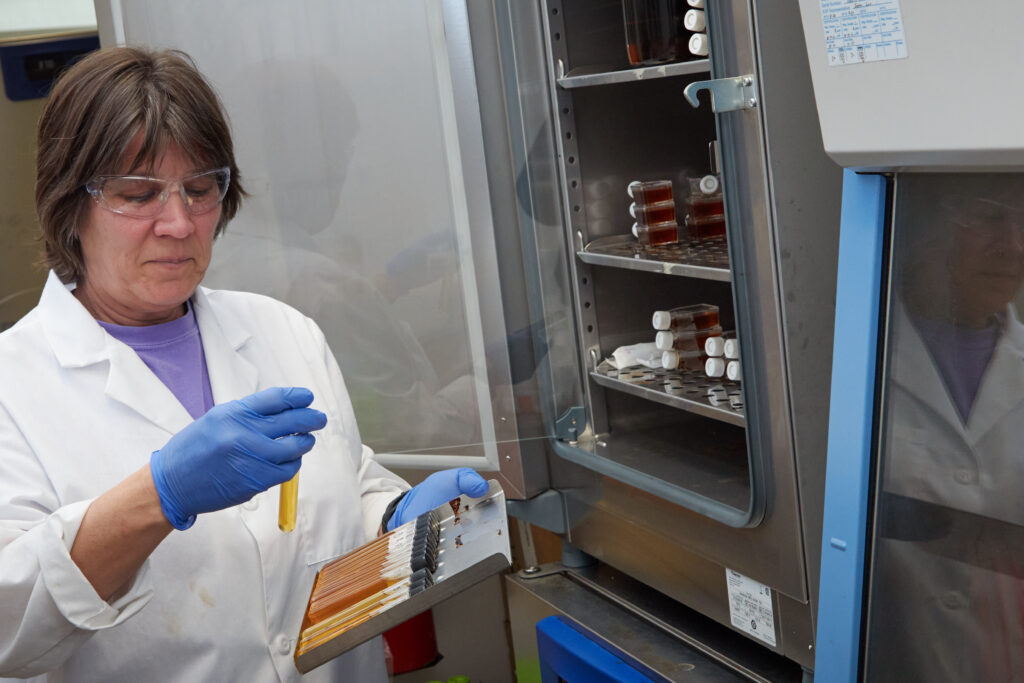
The partners complement and supplement the research done by EPIC’s 24 faculty members, who represent three colleges and eight departments.
“Our partners are spectacular. USP is a top 100 global institution, and Ghana and Ecuador bring front-line experience with the very pathogens we study. The consortium essentially blankets the area where the global impacts of our pathogens are most severe and cause the biggest problems, and not just with humans, but animals, too,” Rafert said.
A growing global challenge
Eukaryotic pathogens, organisms with a defined nucleus (eukaryote) that cause disease, are responsible for some of the most devastating and intractable human diseases, including malaria, amoebic dysentery, African sleeping sickness, Chagas disease and fungal meningitis. Many are considered neglected tropical diseases.
While these diseases may seem a world away, they’re not.
Because of the ease of international travel and climate change, diseases once considered mainly tropical and subtropical have been increasingly found in the United States.
Increasingly in the U.S.
“Those afflicted tend to be more around the equator now than elsewhere, but climate and weather pattern change is inexorably driving them poleward,” Rafert said. “We see it coming our way, and there’s a real opportunity to learn from how national groups in these countries respond.”
For instance, leishmania causes a spectrum of illnesses, from unhealing and potentially disfiguring skin sores that have affected U.S. troops in the Middle East to deadly infections of the liver and spleen. Once thought to be a tropical disease, Leishmaniasis is endemic to the United States. It is spread by sand flies that exist in several states, primarily in the South.
Chagas disease, which is spread by “kissing bugs” infected by the American trypanosome Trypanosoma cruzi, can cause heart disease decades after the initial infection. It is found in south Texas.
Some of the pathogens are found ubiquitously in the environment and cause serious, life-threatening illness in the immunosuppressed. Fungal infections lead to more than 3.75 million deaths annually, of which 2.5 million are directly attributable to the fungal disease, according to the Center for Infectious Disease Research and Policy.
“By 2050, fungi are expected to be the number two global cause of death, right behind cardiovascular issues. It’s closing in and soon will pass cancer,” Rafert said.
Research, training and technolog
EPIC, which was established in 2013, landed a National Institutes of Health Center for Biomedical Research Excellence (COBRE) grant in 2016. The grant was renewed for five years in 2023 and is eligible for a third and final five-year renewal. COBRE grants are designed to develop specialized biomedical research centers, enhance research infrastructure and mentor junior investigators to become independent researchers. EPIC is the first and only COBRE in the country with a focus on eukaryotic pathogens.
The opportunity to make a positive contribution to a planetary problem and to prepare for EPIC’s post-COBRE funding era were the twin drivers for EPICON, said Kerry Smith, a professor in the Clemson Department of Genetics and Biochemistry and director of EPIC who is now also serving as EPICON’s first board chair.
“It will open up funding possibilities that we didn’t have before,” he said.
In addition to potential new funding sources, the consortium offers research and training opportunities for students and faculty alike. The partner institutions bring unique laboratory capabilities, allowing EPICON to leverage techniques and instrumentation not available at Clemson, Rafert said.
“There’s this bi-directional flow of knowledge, but there’s also the opportunity to translate our work into a deliverable that has an impact for that country. This could potentially be really big,” he said.
The consortium was built on existing collaborations at the scientific level, Rafert said.
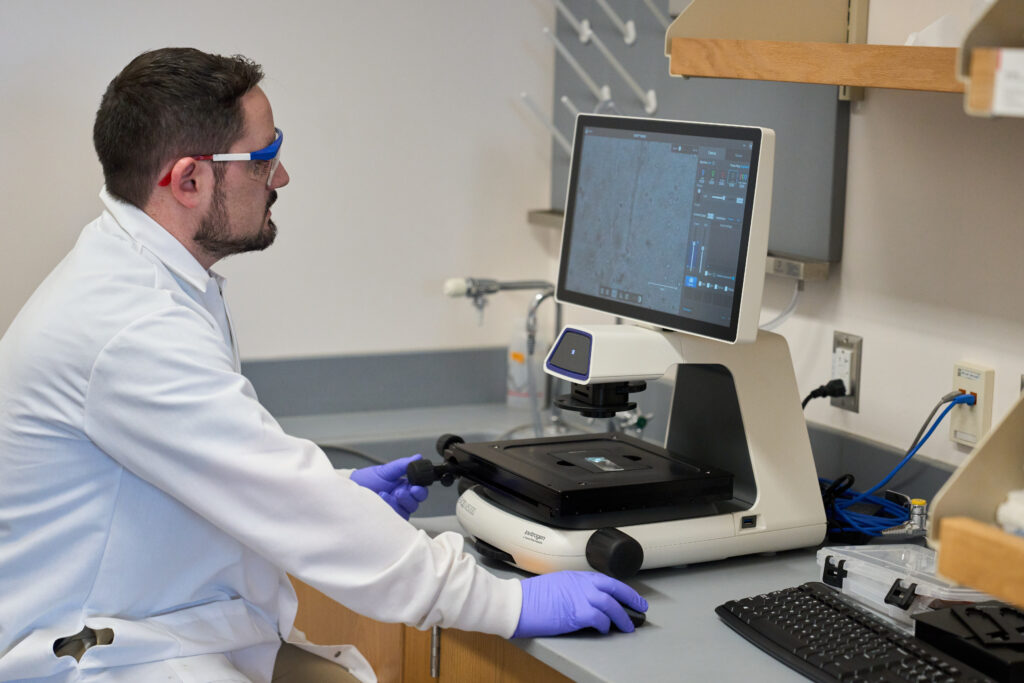
One such collaboration is between Stephen Dolan, an assistant professor in the Clemson Department of Genetics and Biochemistry, and Gustavo Goldman, a professor at USP who researches signal transduction in the pathogen Aspergillus fumigatus. Dolan and two of his graduate students traveled to Sao Paulo and Goldman’s lab to learn techniques that no other researcher in the world does, Rafert said.
Dolan actually began visiting Goldman’s lab while working toward his Ph.D. in Ireland. Goldman visited Clemson last summer. They’ve published two scientific papers together.
“When you combine the knowledge of many groups, it could give a better understanding of the whole problem,” Goldman said.
Goldman said that while the consortium is starting small, he expects it to continue to grow.
Smith added, “Science isn’t done in isolation. Labs must collaborate with others to move science forward. That’s just the nature of science, and that’s EPICON.”