Banana may not be a popular crop in South Carolina, but a new $1.2 million grant from the Gates Foundation is positioning Clemson University scientists to transform banana farming in Africa while creating ripple effects for crops closer to home.
The initiative, Post-tissue culture multiplication of banana for efficient scaling, is led by Clemson horticulture professor Jeffrey Adelberg. The scientists aim to develop a cutting-edge hydroponic propagation system to produce clean, reliable banana starter plants at a large scale and low cost.
Vegetative propagation involves producing a new plant from an existing one. Hydroponic propagation is the process of growing plants in a nutrient-rich solution rather than in soil.
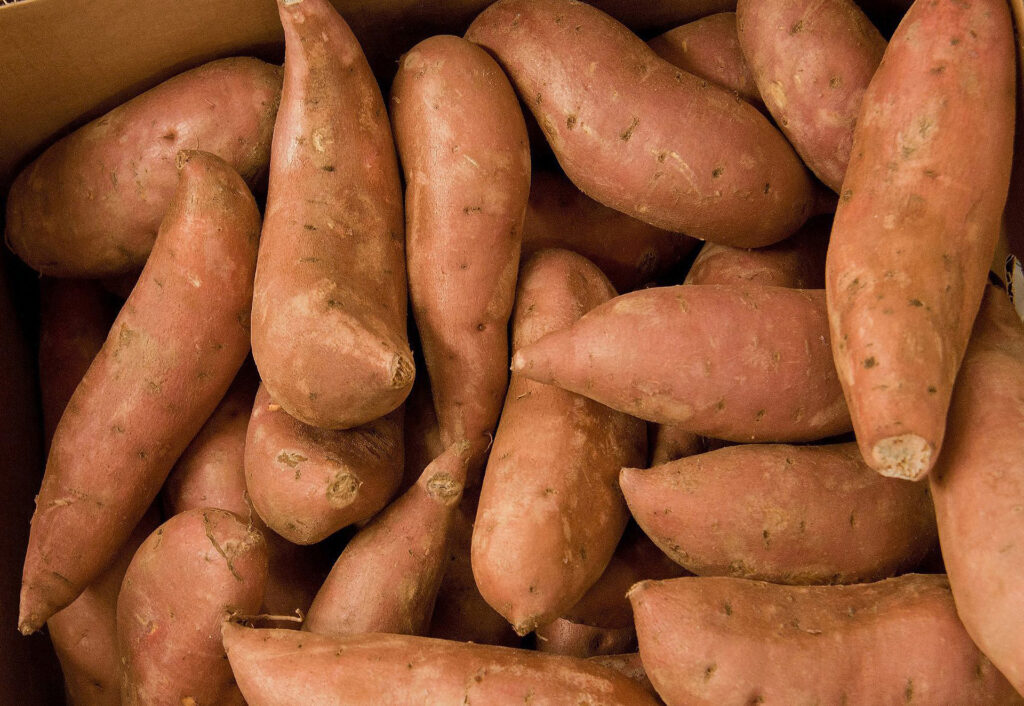
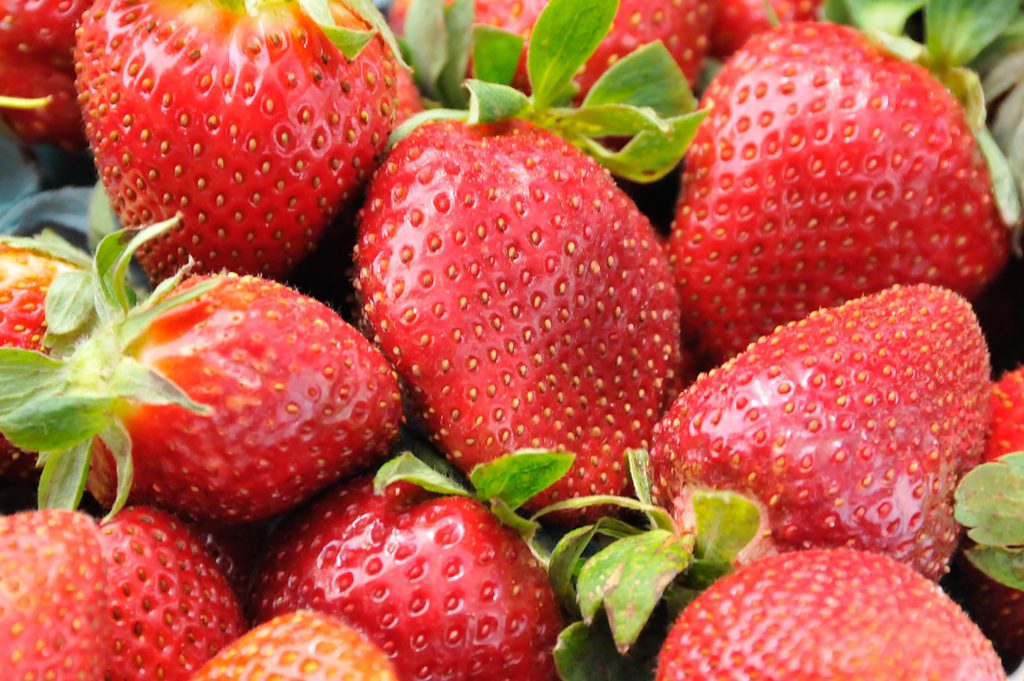
Once perfected for Africa, the system will be adapted for crops such as strawberries and sweet potatoes in South Carolina, creating new opportunities for local farmers.
“Banana is the world’s largest crop not grown from seed; it is vegetatively propagated,” Adelberg said. “In the U.S., the largest crop grown using this method is potato. In South Carolina, sweet potatoes and strawberries are the two most important vegetatively propagated plants. This technology has the potential to help farmers in both South Carolina and Africa.”
Clemson scientists are working with scientists from the International Institute of Tropical Agriculture (IITA) in Nigeria. The institute is a leading non-profit research organization dedicated to improving food security, reducing poverty, and enhancing nutrition in Africa. Additional African universities are expected to join under IITA’s umbrella.
Delphine Amah, a scientist leading IITA’s $15 million Program for Seed System Innovation for Vegetatively-Propagated Crops in Africa (PROSSIVA), will help transfer Clemson’s hydroponic technology to local businesses in Tanzania and Uganda.
“For millions of households that rely on these banana types as daily staples, reduced yields from pests and disease and climate stresses directly threaten food security, especially during lean seasons when bananas provide a dependable source of calories,” Amah said. “Low productivity reduces market supply, increases food prices and reduces the earnings of smallholders who depend on banana sales for essential household expenditures.”
Jagger Harvey, Clemson’s director of global research initiatives, said this program is about building resilient food systems that can withstand tomorrow’s challenges.
“We’re working hand-in-hand with African partners to ensure these systems are practical, profitable and resilient,” Harvey said. “We’re building agricultural research capacity to help boost food security for generations to come.”
Hydroponics: a game-changing solution
Hydroponics offers a promising alternative to current propagation methods. Already used in Africa for vegetables, hydroponics could accelerate banana propagation, reduce disease risks and optimize space and resource use.
“Hydroponics isn’t new in Africa, but using it on a large scale specifically for bananas is,” said Lance Beecher, Clemson Extension associate specialist for food systems and safety. “We’re building on what’s working in East Africa’s hydroponic farms while addressing challenges like water quality, electrical reliability and cost.”
Beecher’s team will design low-cost hydroponic systems tailored to banana propagation, integrating water-management components such as filtration, aeration, recirculation and environmental control. The goal: to multiply tissue culture starter plants more cheaply and efficiently in greenhouses, closer to the farmers who need them.
“If we can shorten each multiplication cycle to six weeks and maintain that rate, the numbers become game-changing,” he said.
Adelberg estimates that one primed tissue culture plant could generate about 1,000 plants in nine months using the new system.
Digital tools for modern breeding
While hydroponics takes center stage, the project also addresses a critical digital gap in crop improvement programs.

Trevor Rife, a phenomics and crop improvement scientist at Clemson’s Pee Dee Research and Education Center near Florence, South Carolina, will develop mobile apps to help plant breeders capture and manage data more effectively. These apps will expand the PhenoApps platform he created, enabling breeders worldwide to respond more quickly to emerging threats such as new diseases or pests.
“Accurate data is the backbone of modern breeding,” Rife said. “Rapid cultivar development will allow breeders to more effectively respond to threats and deliver improved varieties to farmers faster.”
The apps will integrate with global breeding platforms, such as the Enterprise Breeding System, to enhance data collection, cross-management, and information sharing.
Benefits for South Carolina farmers
Though bananas aren’t commercially grown in South Carolina, the hydroponic propagation system could be adapted for crops like strawberries and sweet potatoes. By reducing costs and improving efficiency, the technology could help South Carolina farmers access higher-quality starter plants, leading to larger, more reliable harvests.
“Both strawberries and sweet potatoes could benefit from similar two-tiered laboratory and hydroponic production systems,” Adelberg explained.
Sweet potatoes are deeply rooted in South Carolina. According to the 2024 Clemson Extension FarmGate Reports, almost 2,746 acres of sweet potatoes were grown in 22 counties that year.
Strawberry production in the state is a significant industry with cultivation occurring across 26 counties, heavily concentrated in the Upstate. Strawberry is a staple crop of the South Carolina Department of Agriculture Certified SC program.
Economic and social impact
Africa is a major global player in banana production, with Eastern and Southern Africa alone producing over 20 million tonnes annually, accounting for roughly 25% of the world’s total output. Production is dominated by small-scale subsistence farming, with top producers including Angola, Tanzania, Rwanda and Uganda
For Africa, improved banana varieties developed by IITA will deliver higher yields, while offering greater resilience to pests and diseases. Substantially faster, lower-cost propagation would make high-quality planting material more accessible to millions of smallholder farmers, boosting food security and household incomes.

“The potential impact is enormous,” Harvey said. “We’re talking about improved food security, improved nutrition, higher incomes and stronger resilience for millions of smallholder farmers. That translates to improved livelihoods in sub-Saharan Africa, helping drive economic development of emerging markets for U.S. goods exports — a double win.”
For South Carolina, the project underscores Clemson’s role as a global leader in agricultural innovation while delivering tangible benefits to local farmers.
A commitment to global food security
This project is part of Clemson’s broader commitment to fighting hunger worldwide. Researchers at the University are engaged in climate-resilient crop development, nutrition-focused food innovation and education of future leaders in sustainable agriculture. On-campus initiatives such as food pantries support local food security.
“We are honored to partner with the Gates Foundation in advancing efforts to end global hunger,” said Matthew Holt, dean of Clemson’s College of Agriculture, Forestry and Life Sciences. “This partnership will further enhance the college’s efforts to improve food security on a global scale.”
Looking ahead
The three-year project is set to run through 2028. Priorities include open access and affordability. All protocols, designs and training materials will be freely available. Findings will be published in open-access journals.
Estimated reading time: 7 minutes