Series note
This article is part of a three-part Clemson University series inspired by the Masters Tournament. The College of Agriculture, Forestry and Life Sciences examines turfgrass practices, the plants found at Augusta National and provides guidance to help South Carolina homeowners choose what works best in their own landscapes.
Back 9 Gallery




The back nine at Augusta National is where tournaments are won and lost, but it also offers some of the clearest lessons for homeowners trying to build a landscape that lasts beyond a single season.
Like the front nine, each hole is named for a tree or shrub that helps define the course. Some translate well to South Carolina yards. Others don’t make the cut.
Jackie Jordan and Stephanie Turner, Clemson horticulture experts, say the same principle applies throughout: success comes down to choosing the right plant for the right place and thinking beyond short bursts of color.
Here is how the back nine breaks down, along with what Clemson experts say homeowners should know before planting.
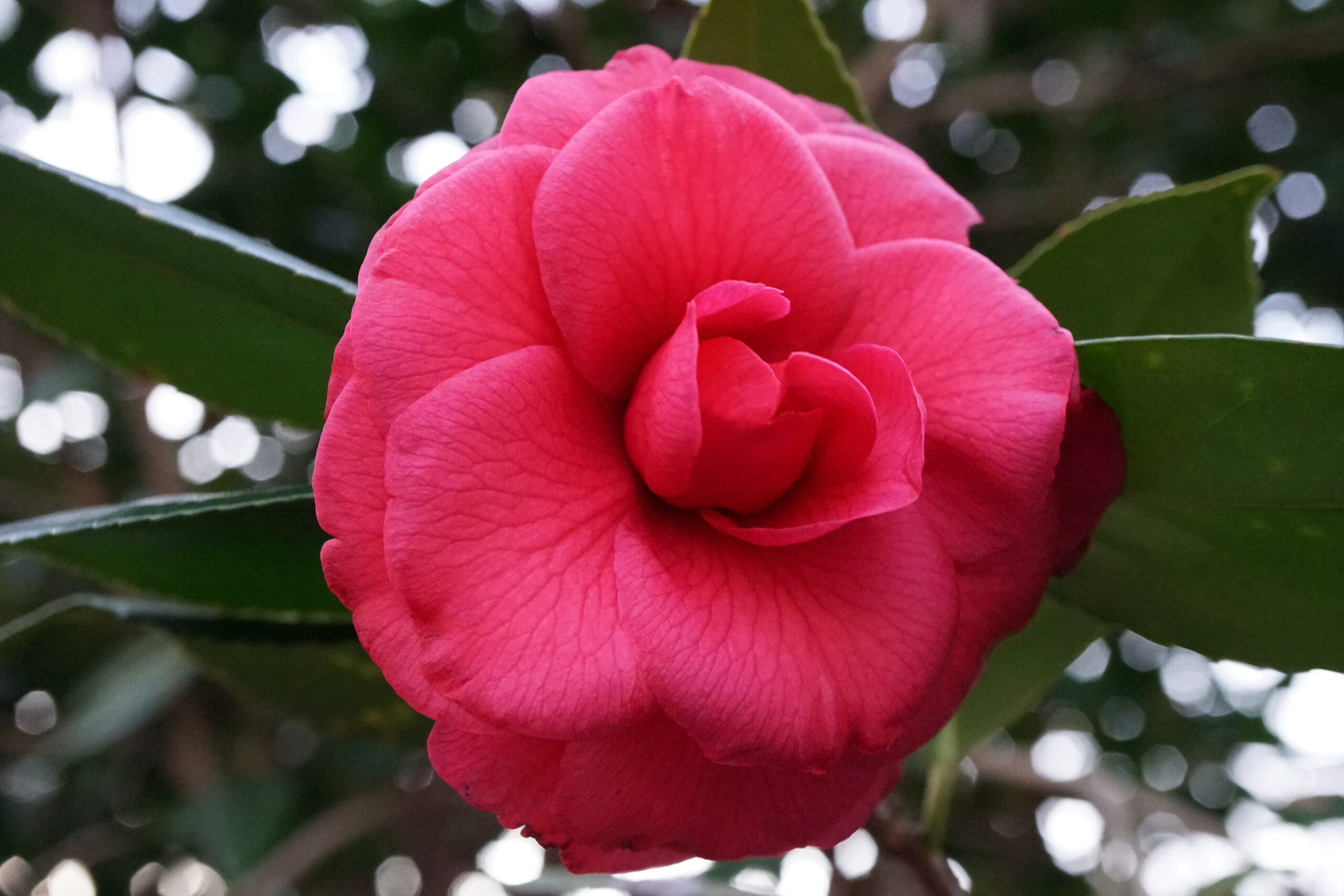
Hole 10 — Camellia (Camellia japonica)
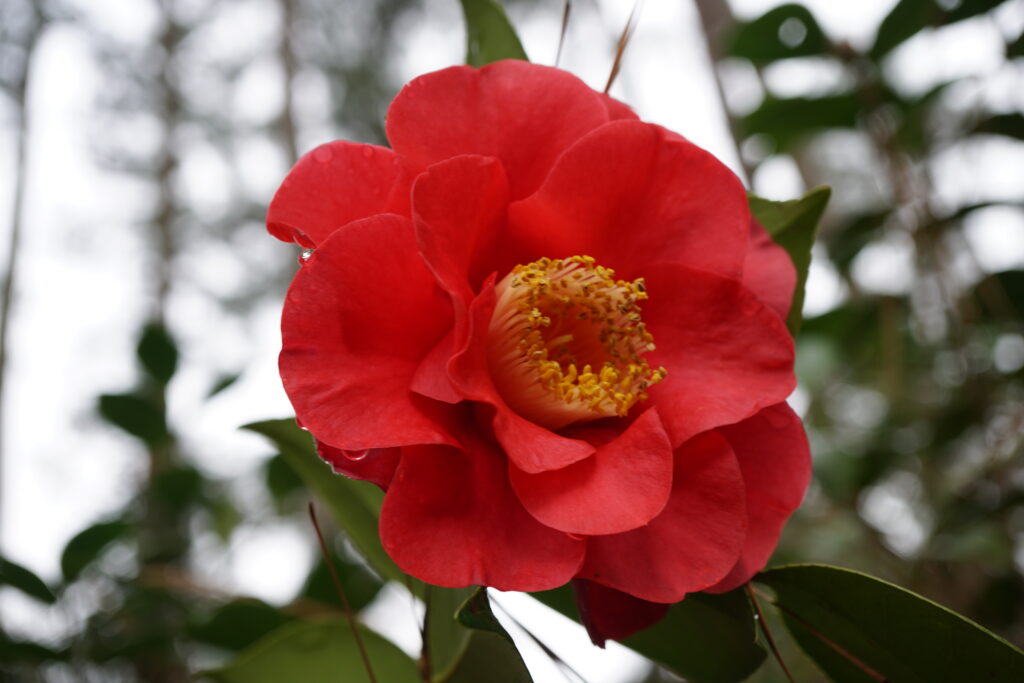
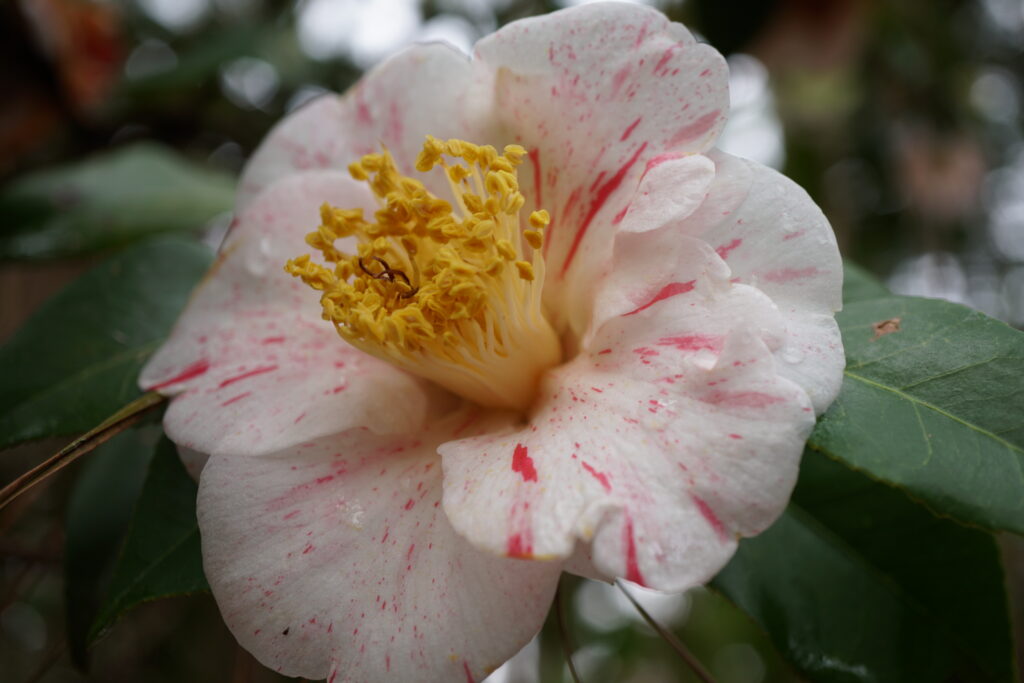

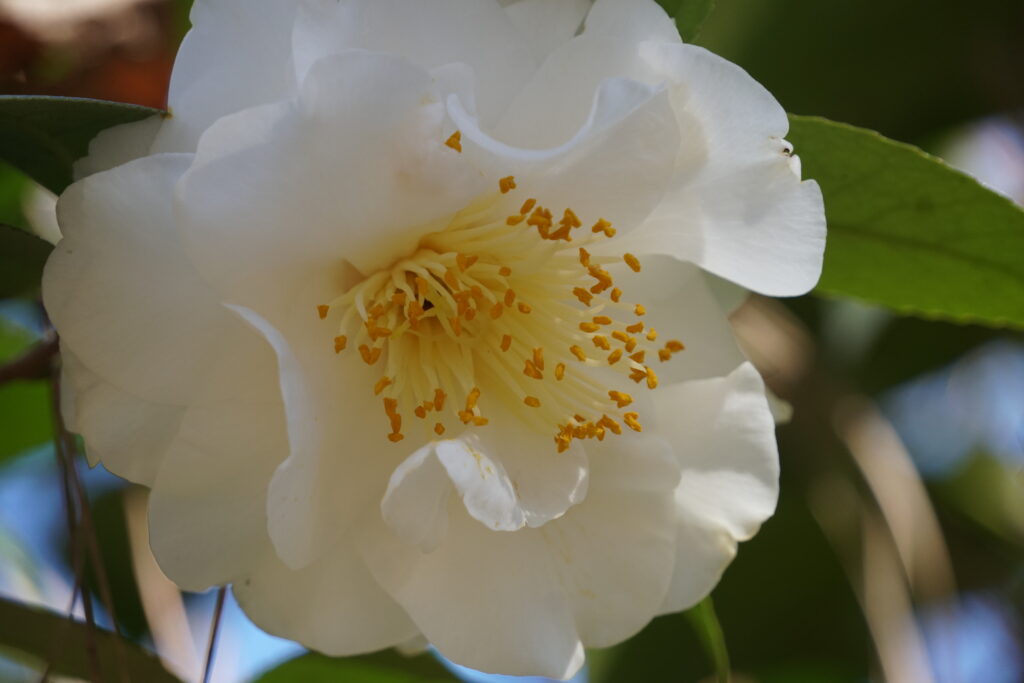

Camellias are one of the strongest performers on Augusta’s back nine and one of the easiest to recommend for South Carolina landscapes. These evergreen shrubs thrive in part shade and well-drained, acidic soil and offer blooms during cooler months when most landscapes are quiet.
“They give you year-round structure and color when you need it most,” Turner said.
Why it works in South Carolina: Adapted to Zones 7a to 9a, relatively low maintenance once established.
Best use: Foundation plantings, specimen shrubs and shaded borders.
The back nine’s most famous stretch comes at Amen Corner, where holes 11, 12 and 13 test both precision and patience. Rae’s Creek winds through this section, shaping not only how the course plays but how the landscape is experienced.
The same principles apply at home. Water features, shade and plant selection all influence how a landscape feels and functions, especially in areas where conditions can change quickly.
Hole 11 — White dogwood (Cornus florida)
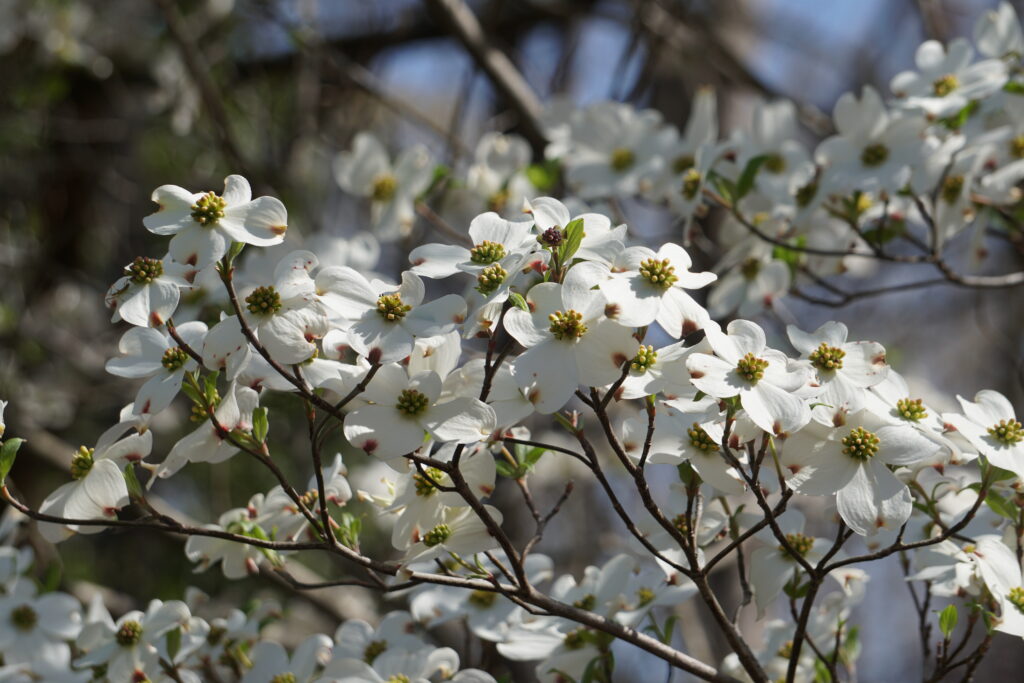
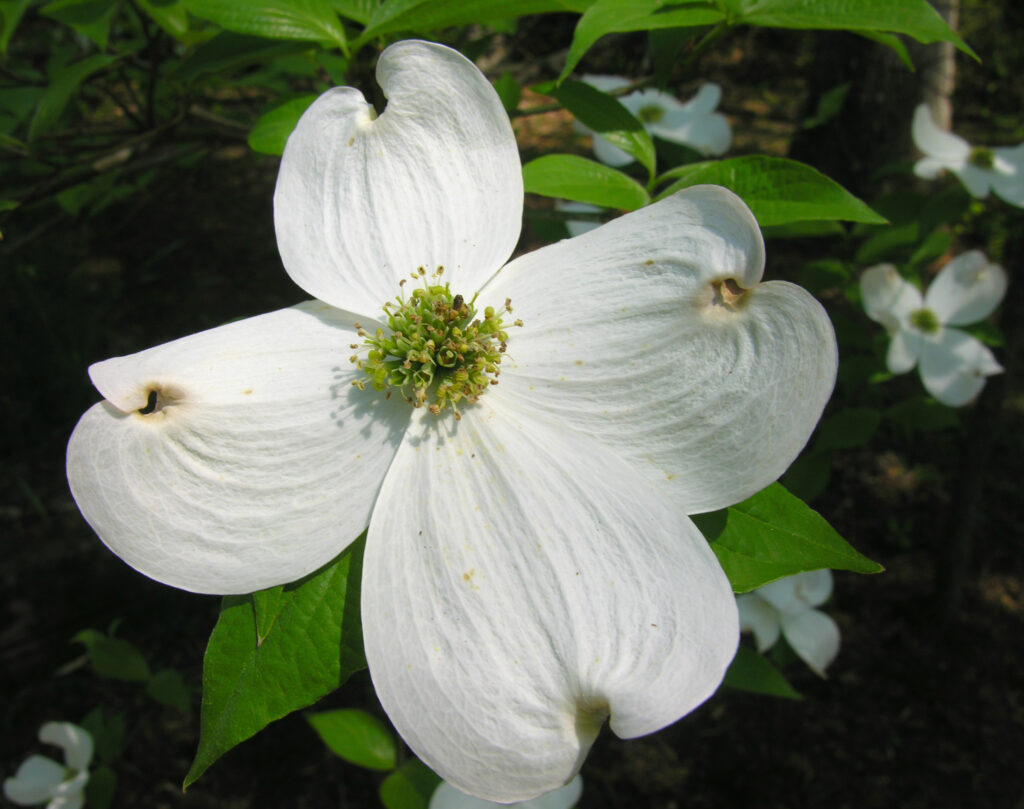
A native understory tree, flowering dogwood is prized for its spring blooms, fall color and wildlife value. It performs best in part shade, protected from harsh afternoon sun.
But it is not a plant you can place just anywhere.
“When dogwoods are stressed, that is when you start to see disease issues,” Turner said. “Site selection really matters.”
Swap tip: Native dogwoods are preferred over hybrids for better disease resistance and ecological value.
Hole 12 — Golden bell (Forsythia intermedia)
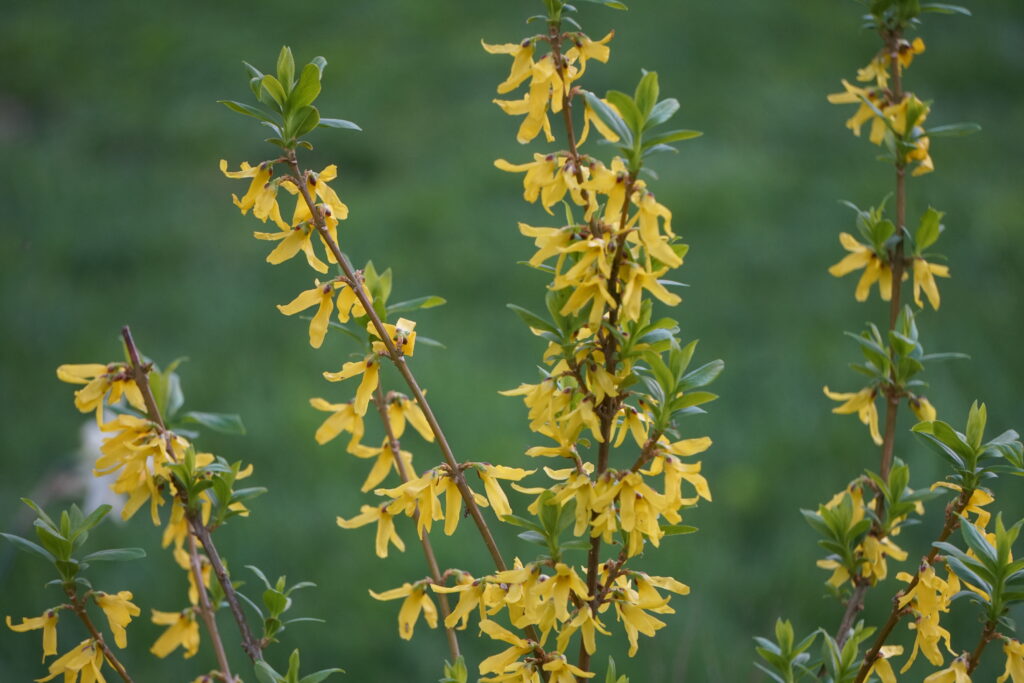

Forsythia delivers one of the earliest bursts of spring color, with bright yellow blooms that appear before the leaves. It is easy to grow and widely adapted, but it comes with limitations.
While visually striking for a short window, it offers little pollinator support and can become leggy without regular pruning.
Use with caution: Best used sparingly or as part of a mixed planting.
Recommended swap: Native azaleas or spicebush for more ecological value.
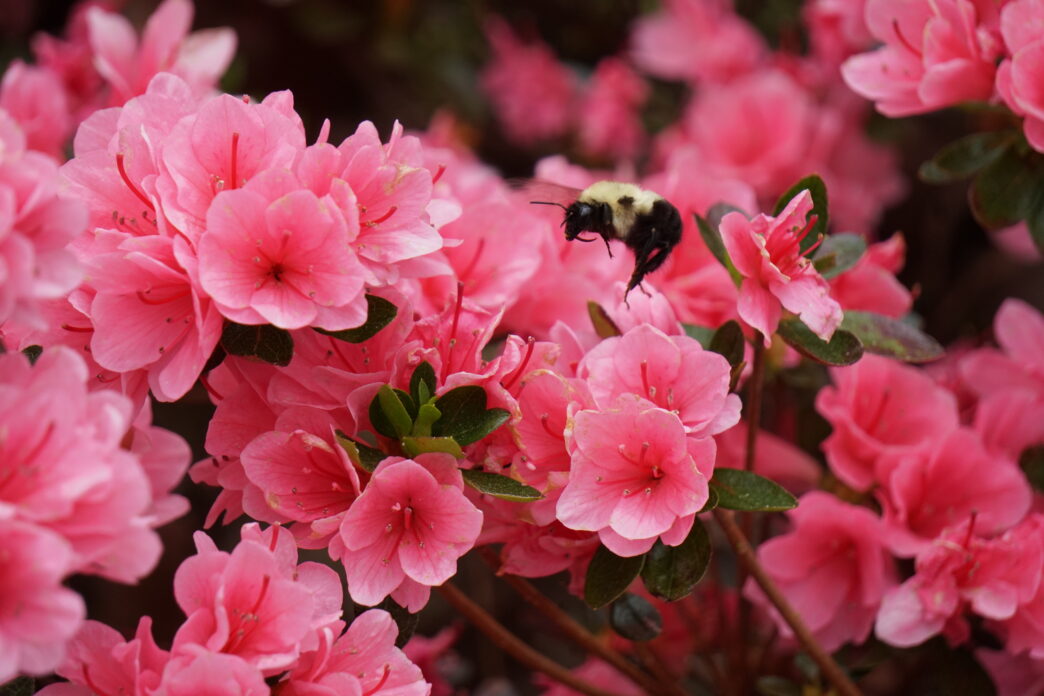
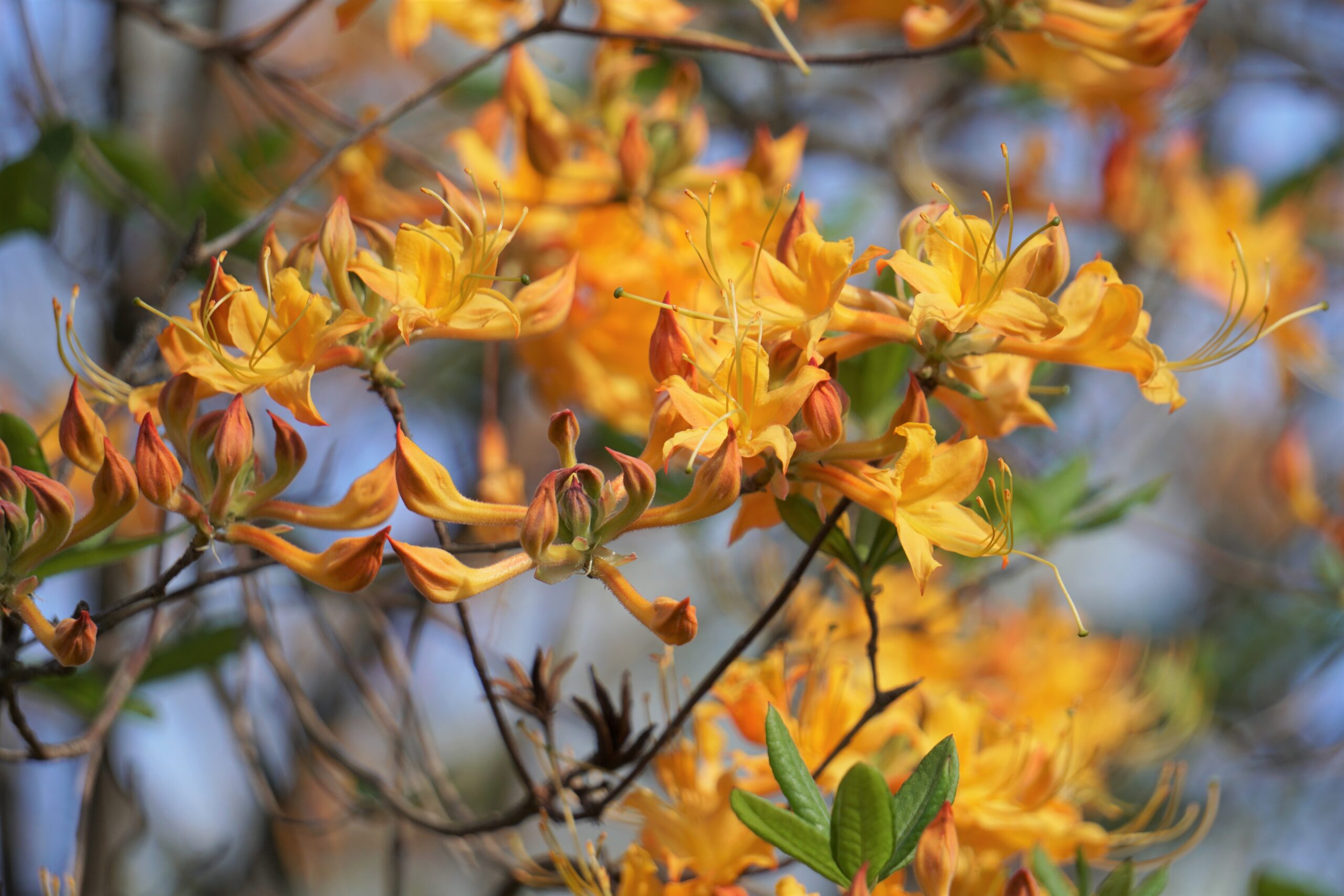
Hole 13 — Azalea (Rhododendron spp.)
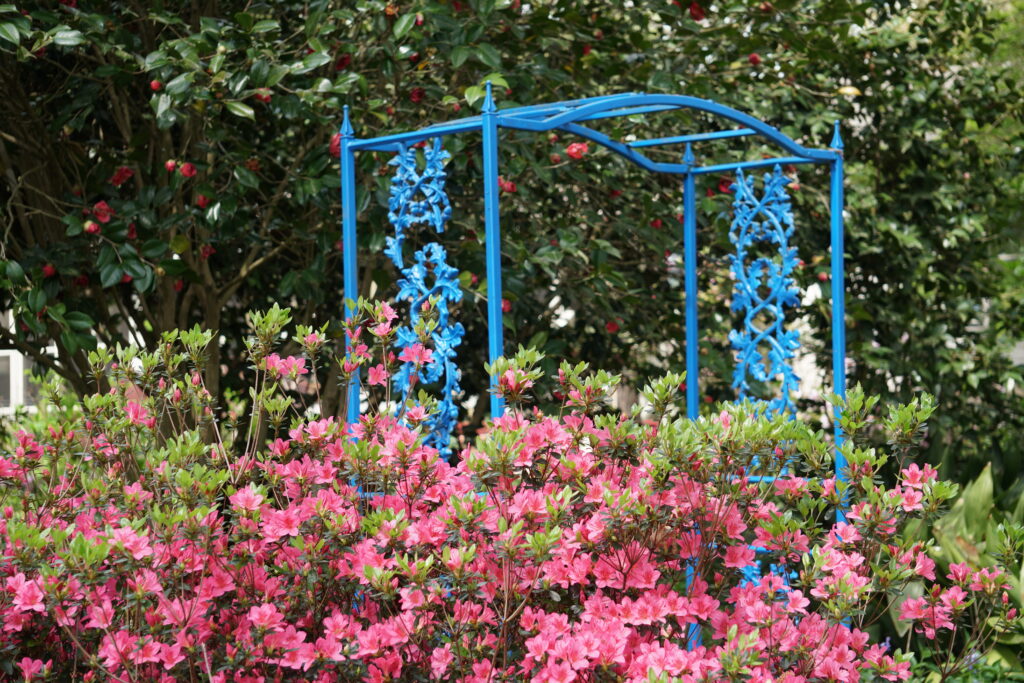
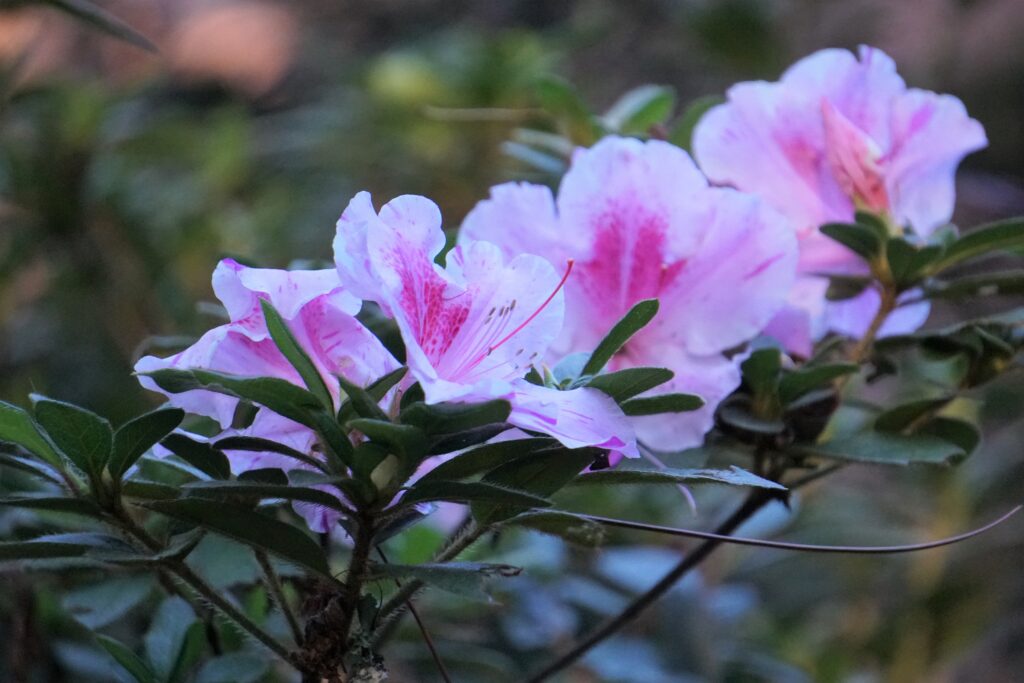

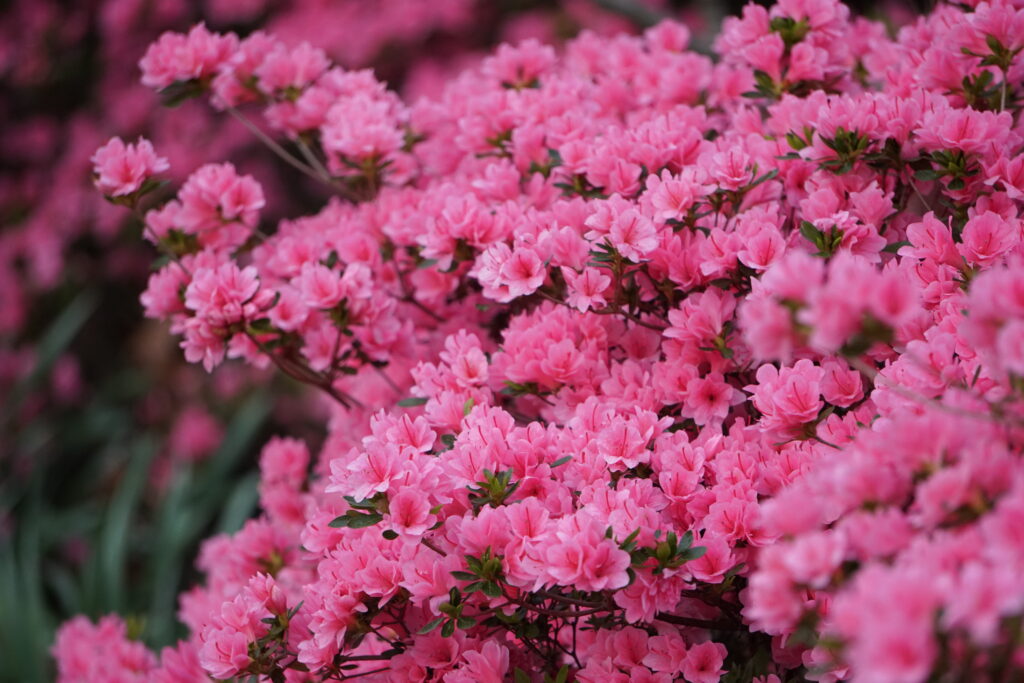
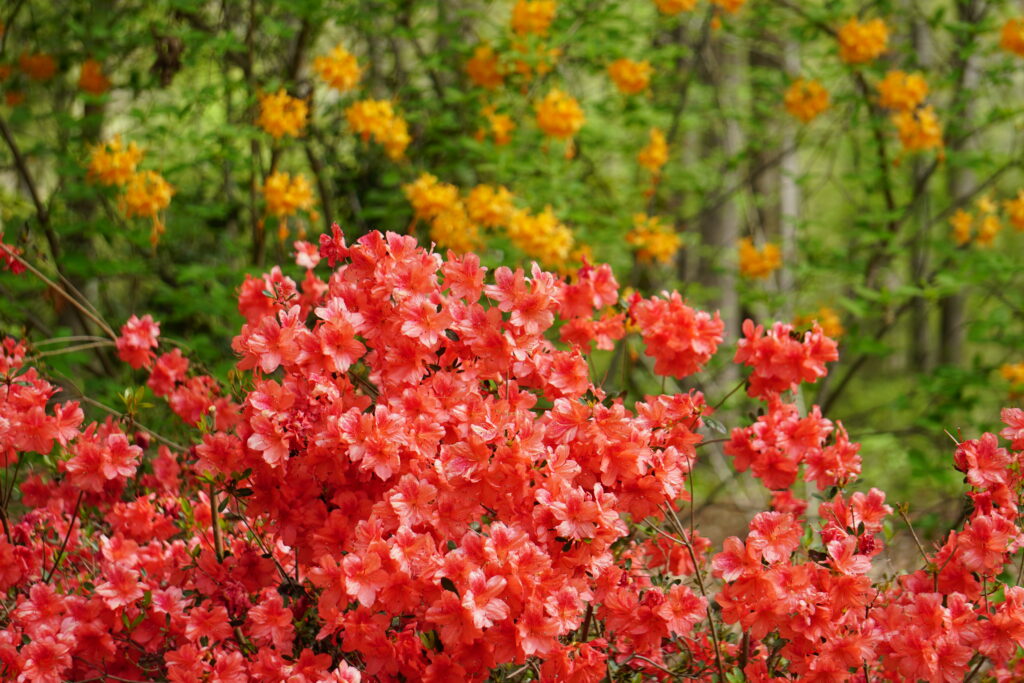
Azaleas are one of the most recognizable features of Augusta National and one of the most adaptable plants for South Carolina landscapes. Their connection to the region runs deep. They were first tested as landscape plants in the United States in the 1840s at Magnolia Plantation and Gardens in Charleston, South Carolina, helping spark their widespread popularity across the Southeast.
In fact, the National Garden Bureau has named 2026 the “Year of the Azalea,” underscoring just how central this plant remains to American gardens.
Azaleas belong to the Rhododendron genus and include both evergreen and deciduous types. Evergreen azaleas, originally from Asia, are widely cultivated, with thousands of named cultivars. South Carolina is also home to 15 native deciduous azalea species that have long thrived in the region’s woodlands.
“Azaleas absolutely work here, but you have to match them to the right conditions,” Jordan said.
They perform best in slightly acidic, well-drained soils with a pH between 4.6 and 6 and prefer afternoon shade or dappled sunlight under a tree canopy. Many problems occur when azaleas are planted in too much sun or lose overhead tree cover, leading to stress and increased pest pressure.
Pruning timing is also critical. Azaleas should be pruned immediately after they bloom. Pruning later in the year can remove next season’s flower buds.
For homeowners, azaleas are one of the clearest Augusta takeaways. Native species such as flame azalea and Piedmont azalea offer strong color, fragrance and ecological value, while modern hybrids provide the evergreen structure many gardeners want.
Swap tip: Prioritize native or well-adapted azaleas to balance visual impact with long-term success in South Carolina landscapes.
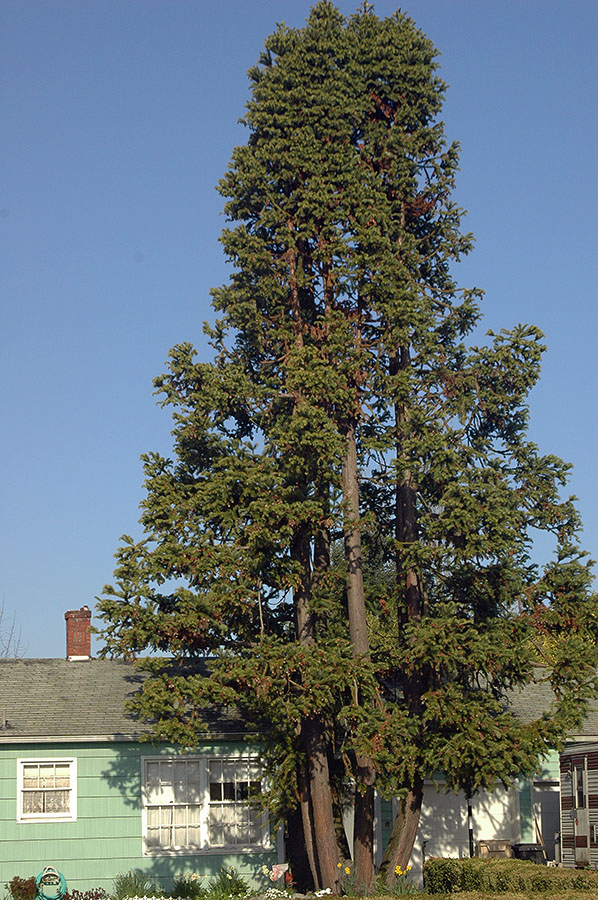
Hole 14 — Chinese fir (Cunninghamia lanceolata)
Chinese fir is a large, fast-growing evergreen that is better suited for expansive landscapes than residential yards.
Its size and scale make it impractical for most homeowners.
Lesson learned: Always consider mature size before planting.
Recommended swap: Leyland Cypress and Eastern Redcedar
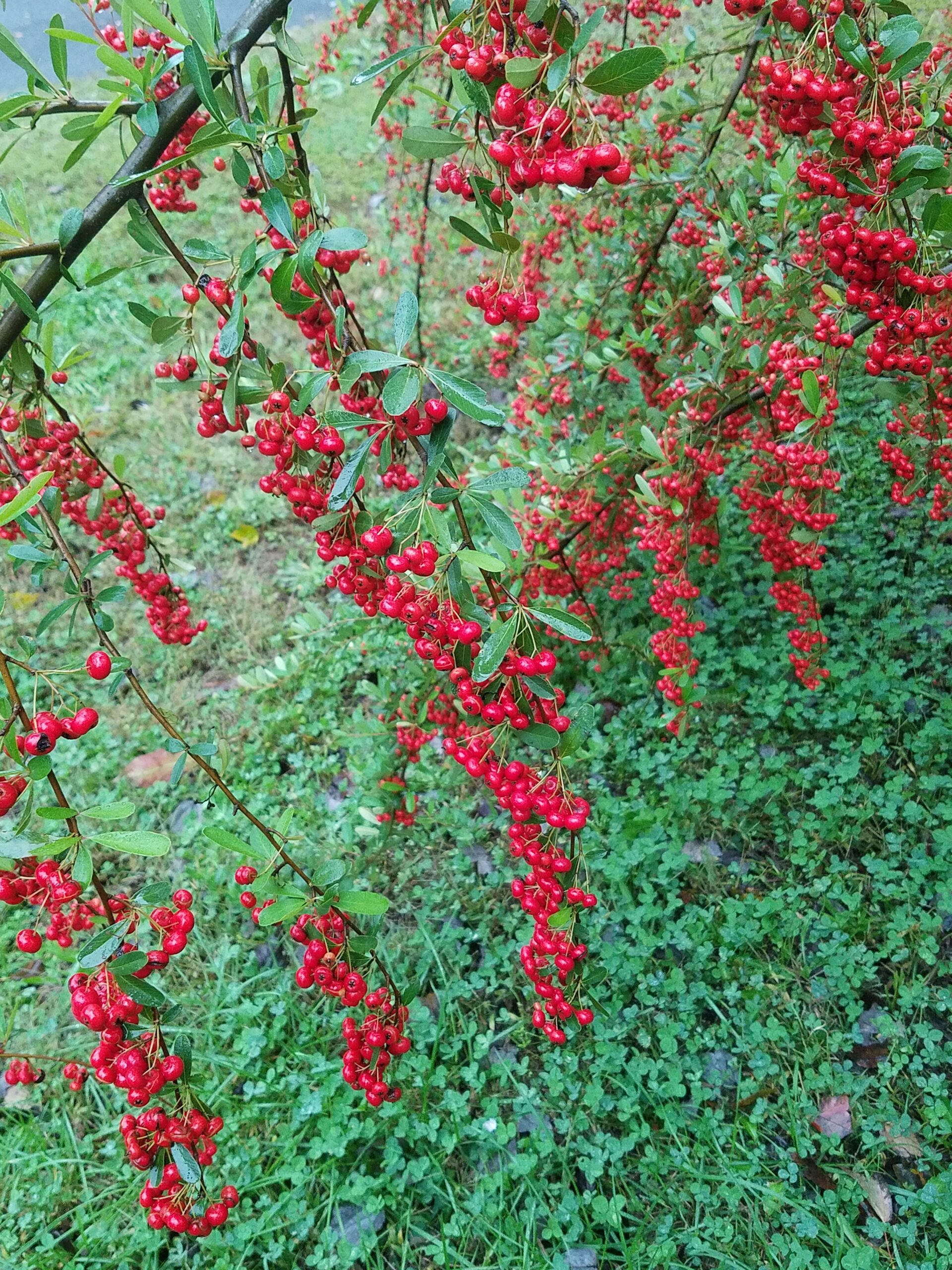
Hole 15 — Firethorn (Pyracantha coccinea)
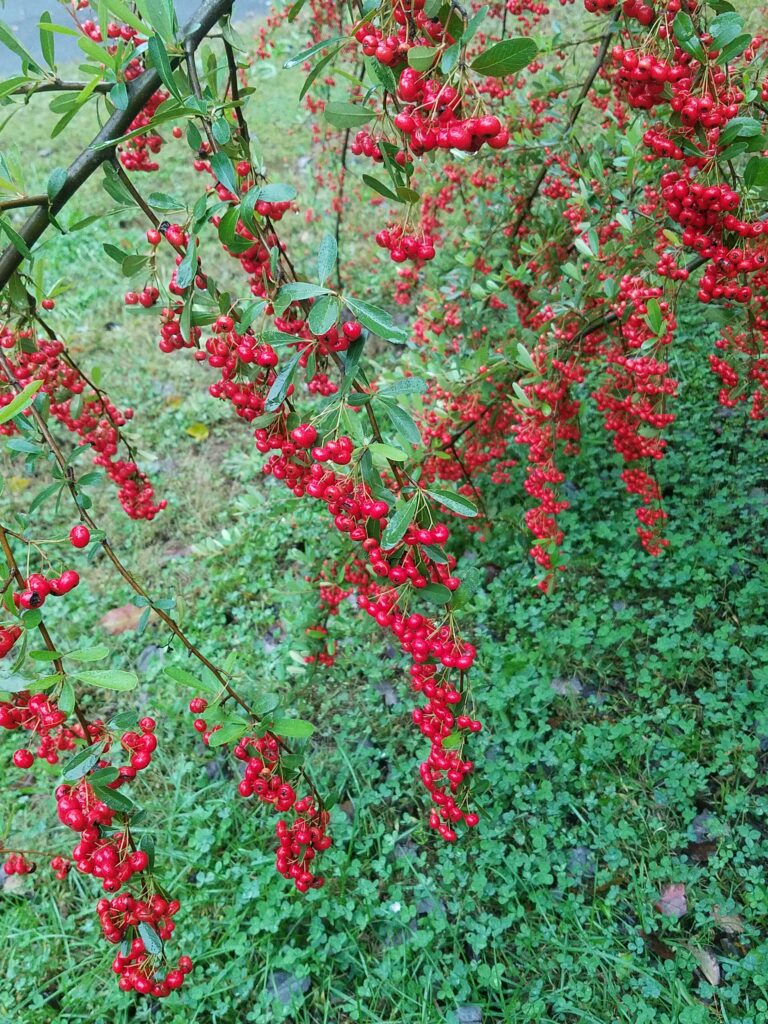
Firethorn is known for its bright berries and dense growth, often used for screening or ornamental interest. However, its sharp thorns can make it difficult to manage.
“It can work in the right place, but it is not something you want near walkways or high-traffic areas,” Turner said.
Swap tip: Hollies or other berry-producing shrubs provide similar visual appeal with fewer drawbacks.
Hole 16 — Redbud (Cercis canadensis)

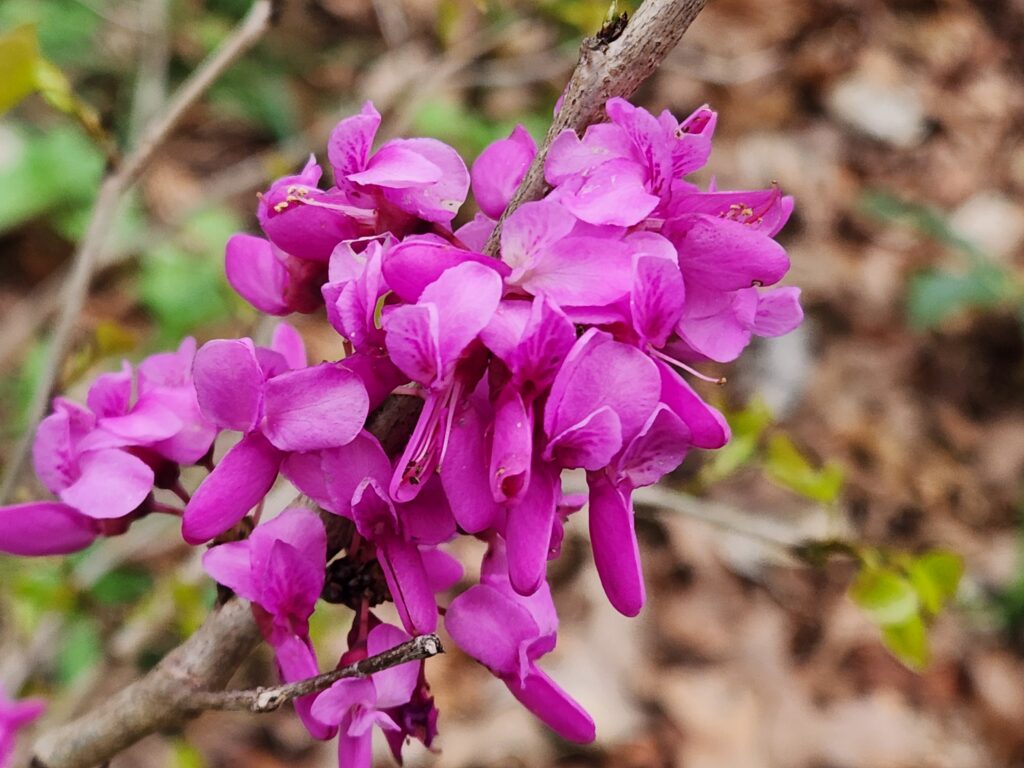
Redbud is one of the most homeowner-friendly trees on the back nine. This native species offers early spring color, adaptability and a manageable size.
“It is a great way to bring in seasonal color without a lot of extra work,” Jordan said.
Why it works in South Carolina: Native, pollinator-friendly and well-suited for residential landscapes.
Best use: Understory tree, mixed borders and layered plantings.
Hole 17 — Nandina (Nandina domestica)


Nandina is one Clemson experts advise avoiding. While commonly used in landscapes, it is considered invasive in parts of the Southeast and produces berries that can be harmful to wildlife, pets and children.
Recommended swap: St. John’s wort or other non-invasive shrubs with seasonal interest.
Hole 18 — Holly (Ilex opaca)
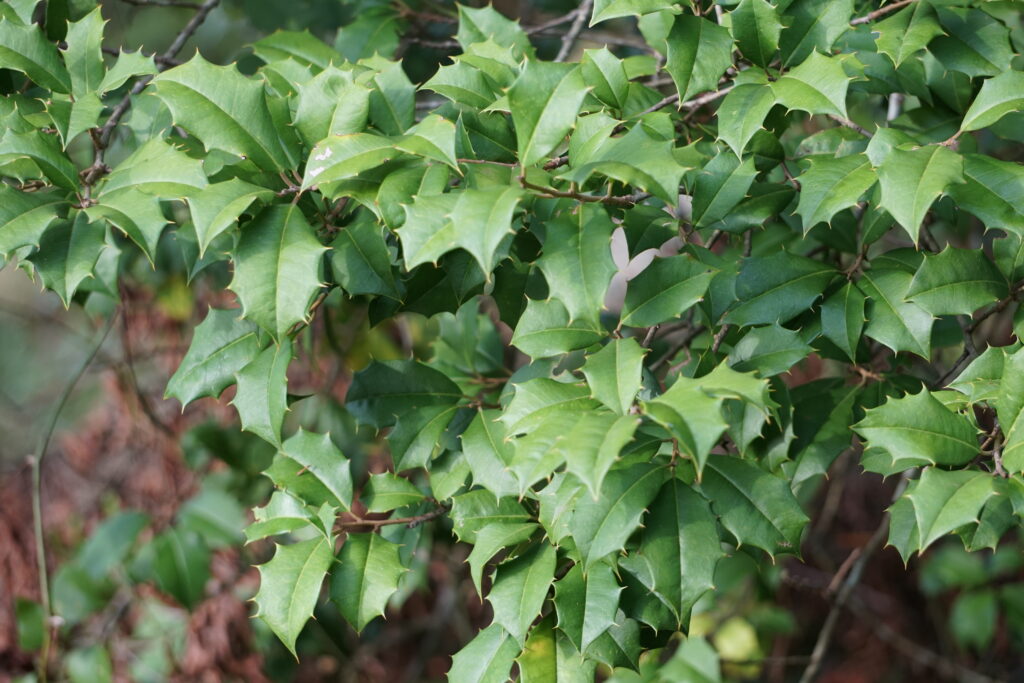

Holly closes out the back nine with one of the most versatile and reliable plant groups for South Carolina landscapes.
From large screening trees to compact shrubs, hollies provide evergreen structure, berries and year-round presence.
“Holly is such a diverse genus that there is a cultivar for almost any need,” Turner said.
Why it works in South Carolina: Adaptable, durable and available in a wide range of sizes and forms.
Best use: Screening, foundation plantings and winter interest.
What homeowners should take away?
The back nine reinforces the same principles seen throughout Augusta National:
- Choose plants suited to your site’s sunlight and soil
- Prioritize native or well-adapted species
- Avoid invasive plants, even if they are widely used
- Plan for mature size and long-term growth
- Build layers that provide interest throughout the year
Homeowners may not be designing a championship course, but the same principles apply. The right plant in the right place, paired with a focus on long-term success, can help any landscape perform under pressure and hold up over time.
“You don’t need Augusta’s resources to create something that works,” Jordan said. “You just need to choose plants that fit your space and think about how they’ll perform over time.”
For those inspired to bring a piece of Augusta home, the South Carolina Botanical Garden will host its Spring 2026 Plant Sale this weekend, offering a wide selection of annuals, perennials, shrubs, trees and hard-to-find native plants suited for South Carolina landscapes.
Garden staff and partner organizations will be on hand to help homeowners choose the right plants for their space.
Friends of the Garden members can shop early on Friday, April 10, from 2 to 6 p.m. Public sale dates are Saturday, April 11, from 9 a.m. to 1 p.m., and Saturday, April 25, from 9 a.m. to 1 p.m. The April 25 event will serve as a second-chance sale, with no membership required.