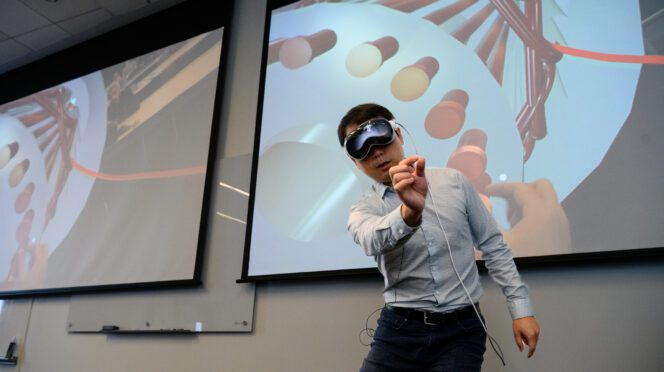
Clemson University partners with the Southeastern Wildlife Exposition (SEWE) annually to connect with the public and showcase our expertise in agriculture, conservation and wildlife. Through interactive exhibits, live presentations by faculty experts and informational displays, the University brings its people and programs to the Lowcountry to grow and support environmental work and ecological research happening across South Carolina.
We’re so glad to connect with you! There are many ways you can work with Clemson all year long. Check out our people, programs, offerings and outreach highlighted here.
Clemson University and its College of Agriculture, Forestry and Life Sciences fiercely attracts and unites people who are passionate about the conservation of South Carolina’s land, along with the plants, animals and people who call it home.
Clemson Extension has a presence in all 46 of South Carolina’s counties and is the state’s most trusted source for research-based information relating to agriculture, community, environment, food, health and youth.
Clemson University’s commitment to sustainability is wide-ranging and goes all the way back to our founder and our founding mission.
Sustainable agriculture and a sustainable economy were among Thomas Green Clemson’s goals in founding a college focused on scientific education and research. Today, our research and ongoing community outreach include nature enthusiasts, ecologists, land managers, educators and policymakers — all those interested in sustainable practices and wildlife protection.
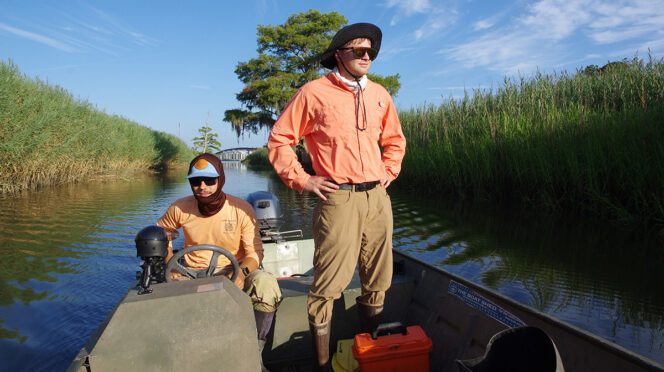
The Baruch Institute of Coastal Ecology and Forest Science (BICEFS) is located in Georgetown, South Carolina, on Hobcaw Barony, a 16,000-acre tract of undeveloped land that is home to ecosystems including estuaries, tidal marshes, and freshwater swamps, coastal forests, and streams and rivers.
Baruch research addresses critical environmental issues including climate and land-use change, coastal science, water quality and quantity, biodiversity loss, and forest and watershed ecology and management.
South Carolina's first college of veterinary medicine
Positively impacting people and animals
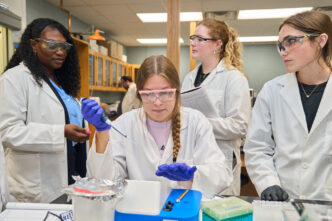
The changing face of animal agriculture and the unique animal-human bond are what define Clemson’s efforts to spearhead a new college with a mission and vision to promote animal and human health statewide.
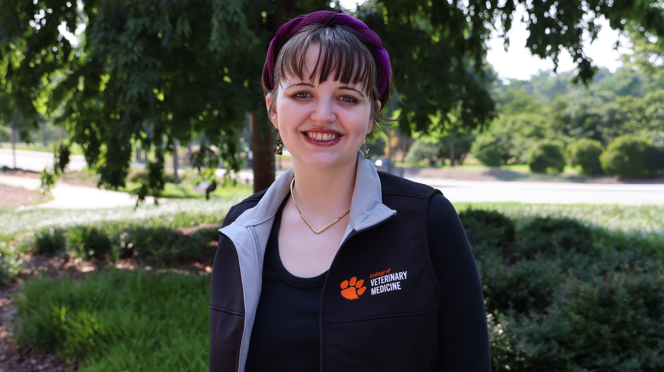
Qualified candidates are applying to veterinary colleges nationwide, but there are not enough seats across the country to accommodate students’ desire to become veterinarians. As South Carolina’s first college of veterinary medicine, the Clemson University Harvey S. Peeler Jr. College of Veterinary Medicine is poised to create new opportunities to improve the state’s economy, retain top talent and protect animal and human health while serving all of our state’s communities.
See what our newly hired faculty and staff are up to, follow along with construction updates and learn more about the Harvey S. Peeler Jr. College of Veterinary Medicine as it accepts its first students and prepares to begin classes in the Upstate in Fall 2026.