Principal Lecturer in Physics and Astronomy — College of Science
How are ice skaters able to spin faster? How are divers able to minimize splashing? Does it matter what athletes wear in competition? Can the design and material of a shoe really help you run better, dance better? In her lectures, Amy Pope explores the physics of sports — from the science of movement to the aerodynamics of sports apparel. She demonstrates physics using athletic games and competitions and is able to break down the physics at play when fans tune into their favorite sports, including football, gymnastics, swimming, track and field, ski jumping and many more.
Nationally Certified Counselor (NCC), Licensed Professional Counselor (LPC), Certified School Counselor, Associate Professor of Counselor Education — College of Education
Mental health significantly impacts a student’s ability to focus, learn and perform academically, and early mental health support lays a strong foundation for positive personal development, participation and academic achievement. Amanda Rumsey is an advocate of prioritizing mental health in education. Her research shows mental health support helps schools create enriching environments and that broader communities benefit by schools addressing the social, emotional and mental health needs of students. Her work highlights the importance of training and skill development in areas such as trauma, suicide intervention and addiction.
Professor of Systems Biology, Department of Plant and Environmental Sciences — College of Agriculture, Forestry and Life Sciences
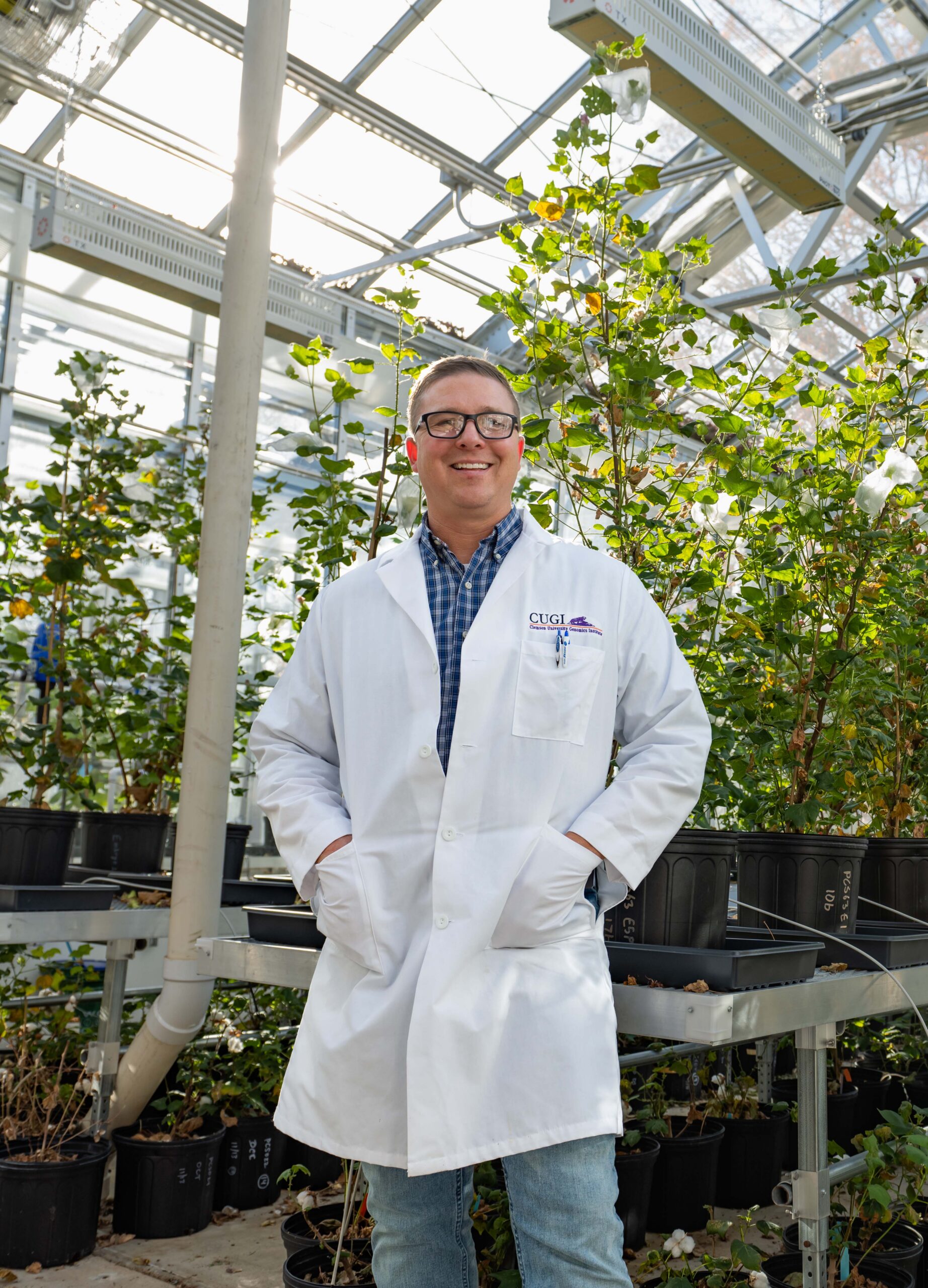
Cotton is more than a fiber — it is a crop that supports farm livelihoods, drives economies and ends up in products consumers use every day. As growers face increasing pressure from disease, pests, extreme weather and market demands, advances in crop genetics and biotechnology are helping shape the future of cotton production and sustainable textiles. Christopher Saski studies how genetics and biotechnology can help crops adapt to emerging challenges while creating new opportunities for agriculture. He can discuss the future of cotton, sustainable textile innovation, crop resilience and the role of biotechnology in modern agriculture.
Dan Duncan Professorship in Sports Marketing – Wilbur O. and Ann Powers College of Business
Super Bowl Sunday is one of the biggest advertising days of the year and regularly draws one of the largest media audiences of any event – even viewers who aren’t sports fans. The impact of sports marketing, including advertising and sponsorship, is great both economically and culturally. As a marketing faculty member, Angeline Close Scheinbaum is a scholar of consumer behavior and integrated brand promotion with a focus in contexts of sport and e-commerce/social media. She is a widely respected, well-published pacesetter. Her work includes theoretical rigor and industry relevance and is used in many business schools and communication programs.
Associate Dean for Faculty Excellence and Associate Professor of Marketing – Wilbur O. and Ann Powers College of Business
Behavior influences purchase and consumption patterns, which often change when someone goes through a major life transition, whether it’s a new job, moving across the country or other significant events. Jennifer Siemens helps marketers and consumer advocates understand consumer experiences during major life transitions, how consumers might be vulnerable and what resources can help them. With an understanding of consumer behavior, Siemens conducts research benefitting consumer welfare and quality of life related to consumption.
Assistant Professor of sustainable packaging, Department of Food Nutrition and Packaging Sciences – College of Agriculture, Forestry and Life Sciences
Not all materials can be recycled, and terms like “bio-based” and “biodegradable” are often misunderstood. While bio-based materials are derived from natural sources, many cannot be processed in standard recycling systems. This makes consumer education crucial for proper waste sorting and understanding where different products can be recycled. James Sternberg observes the impact of waste on ecosystems, including its effects on communities, farmland and water resources and explores how consumer habits — such as reducing overconsumption and opting for biodegradable packaging — can help minimize waste and its environmental footprint. He can provide insights into the science of packaging, including why plastic is never just packaging and how developing technologies and renewable materials are being tested and used in packaging applications.
Chair, Department of Management – Wilbur O. and Ann Powers College of Business
Craig Wallace has spent two decades applying his deep knowledge in organizational psychology to deliver life-changing advice to business leaders and lifesaving strategy to businesses. From Fortune 500 companies to mom-and-pop businesses, his tactics have been proven to make significant impacts in morale and performance, key elements in keeping businesses viable as they adapt to a mostly virtual workspace during the COVID-19 crisis.
Director, Clemson University’s Coastal Research and Education Center; Professor, Department of Plant and Environmental Sciences – College of Agriculture, Forestry and Life Sciences
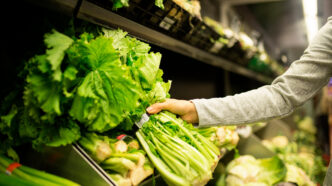
Fresh vegetables are a staple of healthy diets, but producing them requires constant innovation to stay ahead of plant diseases, pests and other growing challenges. Research that helps develop hardier, more productive crops is critical to keeping locally grown produce on the table. Patrick “Pat” Wechter is a vegetable crop researcher and plant pathologist, Wechter provides expertise on vegetable breeding, disease resistance, cucurbit genetics and the production challenges affecting specialty crop growers across the Southeast.
Associate Professor of Science Education, College of Education
According to Julianne Wenner, there are many ways families explore science. They use kits, and they try online experiments. But, fixing a car is science. Knowing what ingredients to use when cooking — and when to add them — is science. Planting a garden in a particular way to make things grow is science. In an effort to promote more authentic engagement with science, Wenner focuses her instruction and research on elementary and early childhood science education, investigating what families are already doing in their homes to support their children in science, and equipping schools and teachers with information to better support science education for all students.
Assistant Professor, Department of Food, Nutrition and Packaging Sciences at Pee Dee Research and Education Center – College of Agriculture, Forestry and Life Sciences
As rates of diabetes and other chronic diseases continue to rise — particularly in rural and underserved communities — research that helps people prevent disease and improve access to healthy food has never been more important. Hannah Wilson, Ph.D., RDN, LD, assistant professor in the Department of Food, Nutrition and Packaging Sciences based at the Pee Dee Research and Education Center in Florence, South Carolina, is a registered dietitian nutritionist and public health researcher. Wilson studies diabetes prevention, nutrition trends, chronic disease management, food access and the health challenges affecting rural and underserved communities. She is available to provide expert insight on these topics and their implications for public health.