Researchers, scientists and students across Clemson University’s College of Agriculture, Forestry and Life Sciences make discoveries that benefit South Carolina, the region, the country, even the world.
A lot of that work wouldn’t be possible without the dedication of staff members working behind the scenes so others can be successful. Here’s a look at four CAFLS employees who make work a lot easier for faculty, staff and students.
Bruce Kesler finds joy in being there for others
Bruce Kesler takes pride in being the person colleagues can turn to when they need help. Whether he’s managing vehicle reservations or helping someone find equipment, he enjoys making their work a little easier.
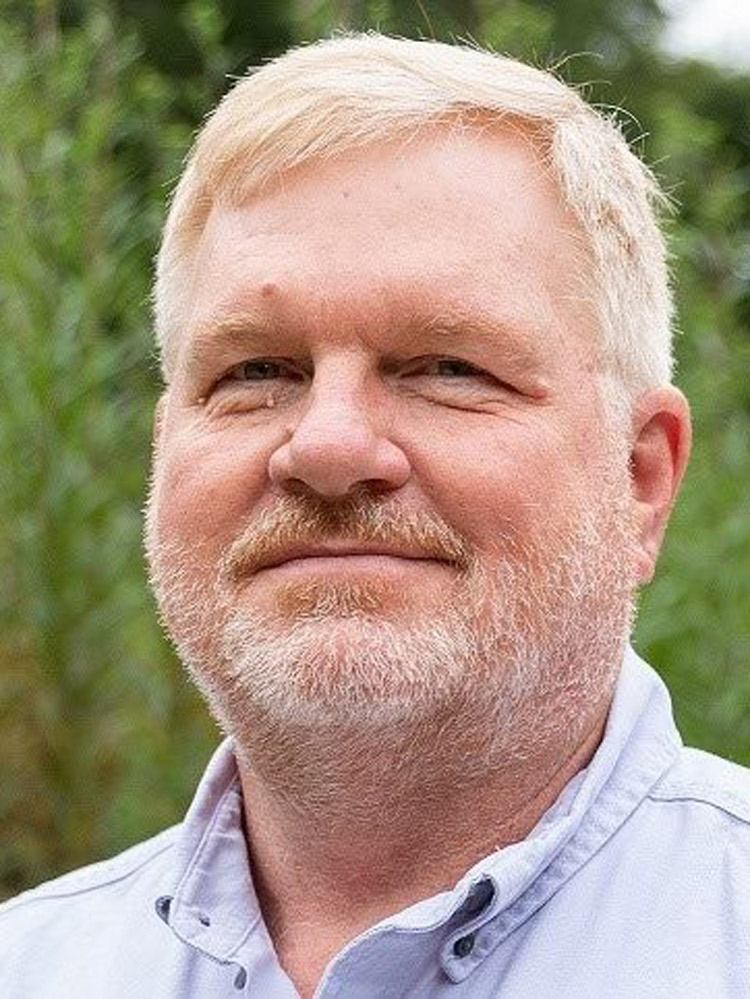
Kesler is a lab technologist and vehicle fleet manager who has been at Clemson for 17 years, the last four in his current role. He manages a fleet of about 30 vehicles, keeping up with the maintenance and scheduling.
He also serves as a building manager for the Department of Forestry and Environmental Conservation and helped facilitate the department’s move from Lehotsky Hall into the new FEC building, which opened this fall.
Being the go-to person is what Kesler prides himself on, whether it’s fixing something that’s not working or helping find something. He has a strong work ethic, a trait he said he inherited from his parents.
“It just gives me a lot of joy helping somebody out,” Kesler said.
Who benefits most directly from the work that you do?
“Everyone in the building. I’m the call guy whenever something breaks, something’s not working or they need to find something; I’m the keeper of odd stuff and I know where the hiding places are. When the lab folks need something, they call me. I dig around and find what they need. And I fix chairs and doors. I’m kind of all over the place.”
What would be harder for students, faculty or community partners without your role?
“I guess just having one go-to person is helpful for people. If I don’t know it, I know who to go to usually. I touch every corner of the building and interact with everybody at some point. I do a lot of grad student coordination as far as their office spaces. I find equipment and materials for offices and labs.”
Is there a moment, person or interaction at CAFLS that has stayed with you?
“When we got settled in the new building here, it was a big day for me because it was a culmination of about a two-year process. I was in on the majority of meetings with the architects and the builders, giving input and answering questions. When we finally got moved in, I felt a lot of personal pride with that, that we managed to pull it off successfully.”
Taylor Martin helps research facilities run smoothly
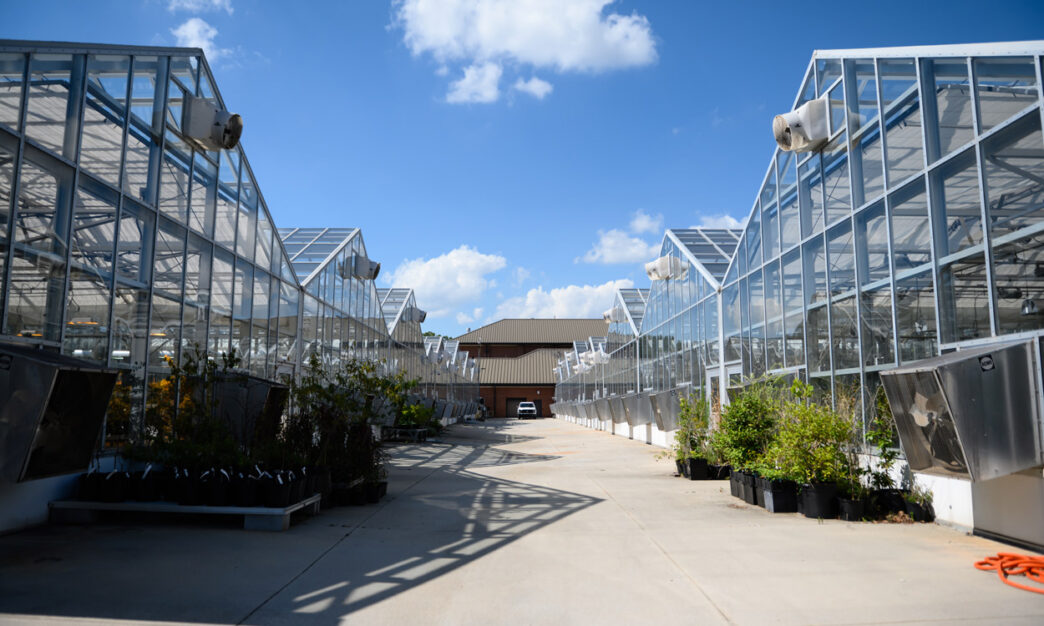
Researchers and employees in the Poole Agriculture Center and the Biosystems Research Complex depend on spaces and equipment that are ready for their work. Taylor Martin helps make that possible, coordinating maintenance and addressing issues in the two buildings.

Martin is a project coordinator for Clemson’s Experiment Station, which oversees agriculture and natural resources research across South Carolina. He has been at Clemson for 12 years, the last three in his current position.
His responsibilities include managing day-to-day building operations, overseeing projects, working with contractors and managing greenhouse employees.
What is something you do that most people in CAFLS probably never see?
“A lot of what I do happens behind the scenes. Most people see the buildings when everything is working, but they probably don’t see the amount of coordination, planning and preventative maintenance that goes into keeping everything running. I regularly work with Facilities, contractors and equipment service providers, addressing issues before they become bigger problems and making sure the building systems and research equipment are dependable. A lot of my job is making sure things work the way they’re supposed to so that the building occupants can focus on their work without having to think about everything happening behind the scenes.”
What part of your work gives you the greatest sense of purpose?
“I take a lot of pride in being dependable. It’s actually very important to me knowing that people have confidence in me and my abilities to handle any issues that they’re facing, and them knowing that I’m going to continue following through and being consistent to solve whatever problem they’re up against.”
Is there a moment or an interaction at CAFLS that has stuck with you over the years?
“Something that really stands out to me would be Dec. 24, 2022, when the entire BRC building flooded. That will be a time that I’ll always remember. That whole Christmas break I was up here working when the building flooded. We had to replace all the flooring and the drywall from about three feet off the floor in the entire building. It took about six months or so. It was a lot of scheduling, shutting down labs. I had to work with the movers; we had to move entire labs out of the building and all the equipment. It was about six months of nonstop construction work in the building, which was difficult trying to manage people working in the building. That’s something that I’ll certainly remember as long as I’m working here.”
Linda Tindal gives students a place to turn
Linda Tindal wants the students she advises to know they have someone at Clemson they can turn to for help. She has built personal relationships with many of them, providing the support students need and that their parents appreciate.
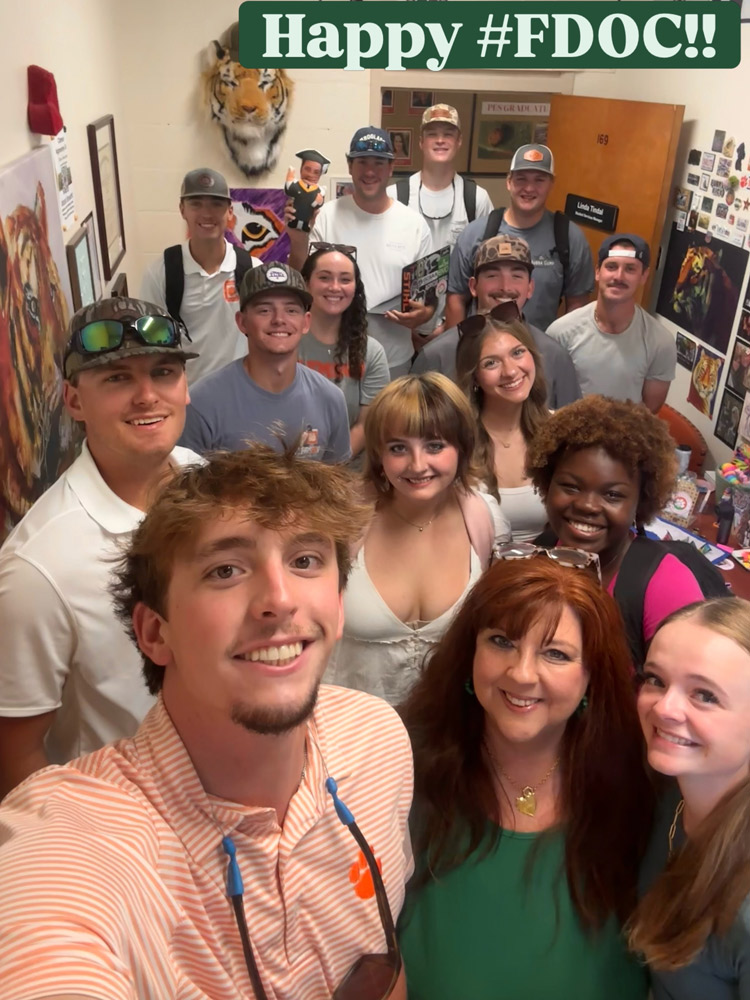
Tindal advises roughly 150 students as a student services manager in the Department of Plant and Environmental Sciences. She has become a “Clemson mom” to many of them and works to help them stay on track for graduation.
“I don’t ever want a kid to stay here an extra semester for one class,” she said.
Tindal has worked at Clemson for 23 years and credits Katie Black, director of advising and registration for CAFLS Student Services, for being supportive and patient whenever she has questions.
What is something you do that most people in CAFLS probably never see?
“The kids pile in my office. It’s kind of like a student lounge. I always have an open-door policy. They can come in and study; I’ve got candy for them. I’ve had to add lots of seating in my office because they feel comfortable. They hang out here. I’m kind of like their Clemson mom. They kind of gravitate here. On Valentine’s Day, I get balloons that are in here, and they tie them to their backpack. It’s kind of cute. It’s fun and we have a good time in here. I think they feel very much at home.”
What part of your work gives you the greatest sense of purpose?
“I love seeing them from start to finish. I go to all graduations. Watching them succeed and knowing that I helped solve problems that got them across the stage. I’ll get onto them if I think they’re not doing right, like a parent would. When I see one that’s been on the struggle bus go across the stage, that’s really rewarding. I love our department. We have a diverse group of students. You can have one in here with blue hair and you can have one with cowboy boots and a cowboy hat and they all talk to each other. Plant and Environmental Sciences is a great world view of people. I love them all.”
Can you share a small detail of a typical day that says something meaningful about your work?
“Coming in, I usually have kids waiting outside my door. I like coming around the corner and seeing people waiting for me. They don’t have an appointment. They’re just here to be in the office and talk to other students. I love my colleagues. We have a great team. We have a new (interim department) chair, Dr. (James) Faust. Dr. Faust has been very supportive and great. I like that he trusts me to know what students need. He doesn’t micromanage. It really is a very nice department. It’s a very calm environment and everybody has each other’s back.”
Brandon Barker keeps technology working
A professor’s complex computer problem took weeks for Brandon Barker to solve. Afterward, she wrote his supervisor not only to thank him for fixing it, but also to recognize his support and positive attitude. Barker still remembers what her note meant to him.
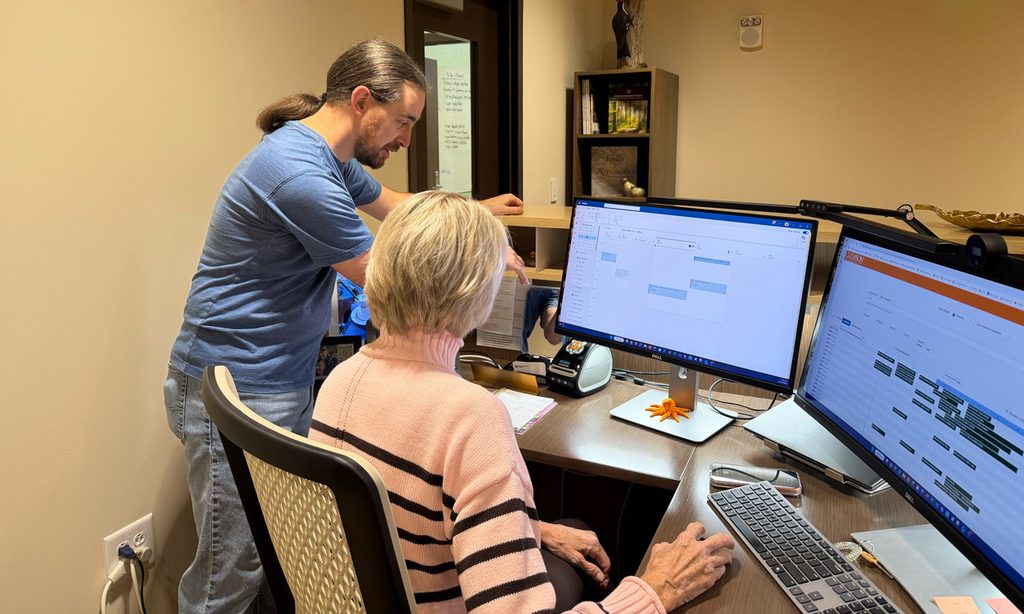
That kind of persistence is part of how Barker helps the people behind Clemson’s research and teaching. He enjoys knowing that his work supports their efforts and, in turn, helps prepare people for their futures.
An information technology coordinator for CAFLS, Barker works with nearly every department in the College. He doesn’t just prepare computers for employees; Barker also acts as the front line of support for a variety of equipment and technology needs across labs, offices, and fields. CAFLS faculty, staff and students maintain unique IT needs, such as forestry-specific software or equipment that must endure harsh travel and weather conditions.
What is a misconception people may have about your job?
“I think mainly that I stay in the office all day and sit at a desk and not really get up from it. I’m all over the place. I have to get out to the research farms in the Pendleton area near campus. I’m around animals and livestock a good amount of time just in the course of doing my work. I don’t think people realize I’m that involved off-site and out in the country, but I really am.”
Is there anyone that’s influenced the way you approach your job?
“I would say my previous boss, Steven Price. He set me up with the way we do things at Clemson. He was a big proponent of getting all the computers set up to where the end user didn’t have to do much. They could just open the computer and it was ready to go. That takes a little bit extra time on technicians’ part to get everything going in the background. But I think that equates to a better experience for the end user. I really do appreciate his influence.”
What is one thing that you have learned from students, faculty, colleague or a community that you serve?
“Everybody is pulling for the same end goal, no matter if they are a student, faculty member or a staff member. We’ve all got one goal here and we’re all pulling together to get it done. It’s just nice to be able to support something like research and teaching. You’re setting people up for their future. I didn’t really get that kind of satisfaction at my job in private industry. But I certainly get it here at Clemson.”