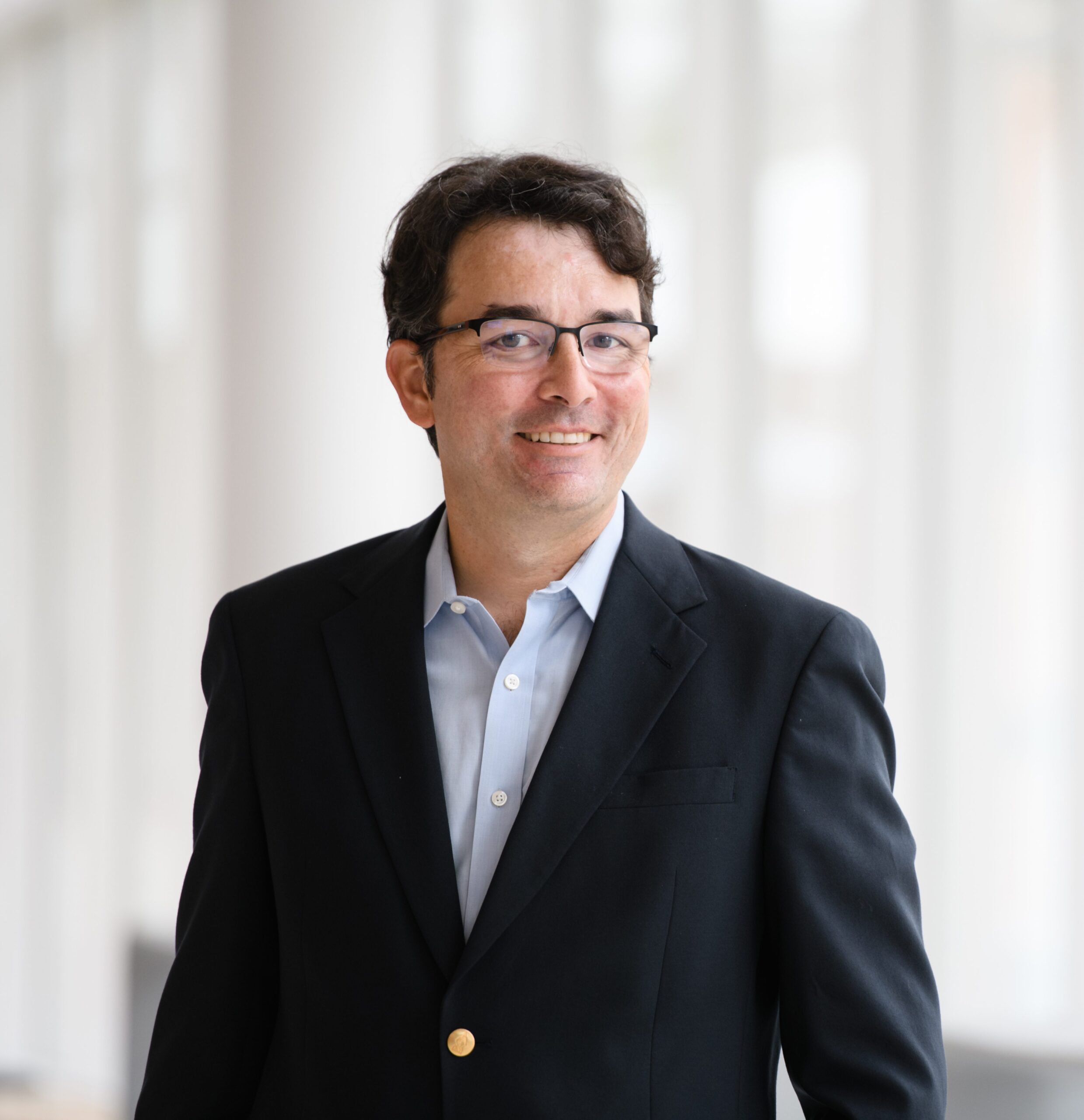
Professor – College of Behavioral, Social and Health Sciences
Nearly 70 percent of American adults turn to social media for the bulk of their news, consuming content in their feeds or searching for specific or trending topics. This is why the integrity of social media information is critical. As an internationally recognized expert and leader in the social media forensics and data monitoring field, Darren Linvill examines social media profiles and messages to identify inauthentic behavior produced by troll farms and the propagation of misinformation and disinformation intended to persuade the public or government leaders.
Director, Center for Human Genetics; Self Family Endowed Chair of Human Genetics Professor – College of Science
If the study of genetics is ultimately a search for the Fountain of Youth, then Trudy Mackay is the modern-day Ponce de Leon, searching in an unexplored terrain that lies in the tiny brains of fruit flies. Mackay is recognized as one of the world’s leading authorities on the genetics of complex traits, a field of study that leads to cures for terminal illness in children, preserving the health of the elderly and restoring the health of people with drug addictions.
Professor, Department of Chemistry – College of Science
World-renowned in the fields of physics, chemistry and spectroscopy, Ken Marcus’ discoveries have fueled innovations in health care, national defense, advanced materials and other industries. His fierce curiosity and commitment to excellence have led to a broad-ranging career that encompasses everything from nuclear forensics to race cars. He is a subject matter expert in nuclear safeguards and nonproliferation, analytical chemistry, biopharmaceuticals and physics. He has produced more Ph.D.’s through his research group, per capita, than nearly any other office on campus.
Founding Dean of the Harvey S. Peeler Jr. College of Veterinary Medicine
The animal-human bond is unique and profound. As the founding dean of Clemson’s College of Veterinary Medicine, Steven Marks, BVSc, MS, MRCVS, DACVIM is leading the effort to increase the number of veterinary clinicians and scientists to positively impact people and animals in South Carolina and beyond. Dr. Marks’ expertise is in general veterinary topics, small animal internal medicine and small animal emergency medicine.
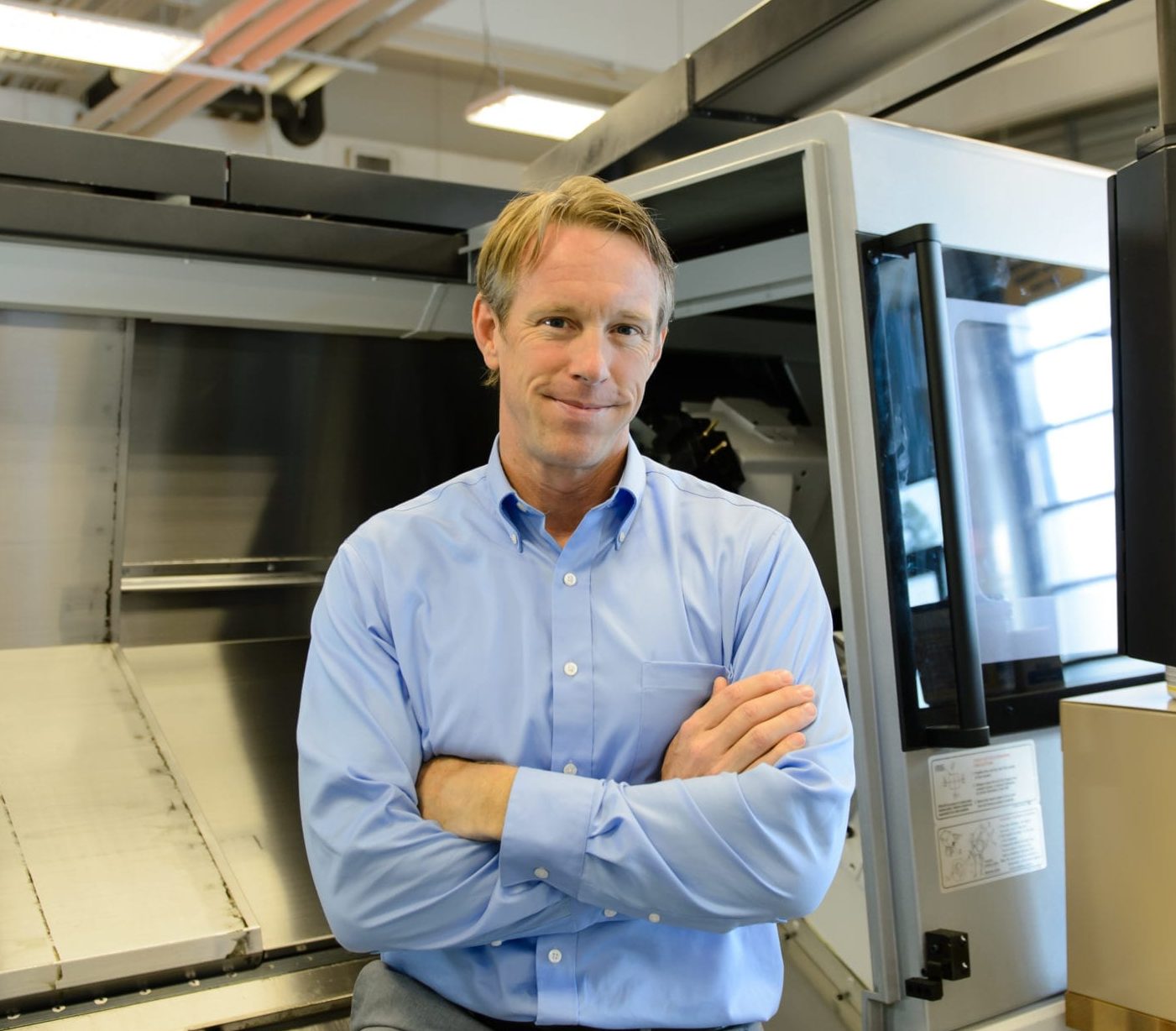
BMW SmartState Endowed Chair in Automotive Manufacturing and professor, Clemson Department of Automotive Engineering | Founding Director, Clemson Vehicle Assembly Center
Laine Mears is an advanced manufacturing expert within the Clemson University Department of Automotive Engineering. With nearly three decades of experience in education and industry, his work spans advanced controls for manufacturing, assembly processes, human-machine interaction, Industry 4.0 and national advanced manufacturing trends. Mears works closely with industry to integrate real-world problems into his manufacturing labs, which aim to mimic working factories with a full vehicle assembly line, and teams of multidisciplinary staff and students from all levels of the engineering spectrum at the Clemson Vehicle Assembly Center. Through Mears’ work, Clemson is on the leading edge of human-focused Industry 4.0 research through a number of projects.
Professor, Glenn Department of Civil Engineering, Computing and Applied Sciences
When a natural or man-made disaster strikes, do you need to evacuate? If so, how much time do you have? What should you take? Do you need to pick up family and friends? If so, how are you going to get to them, and then, to your destination? When can you return? Pamela Murray-Tuite explores how communities respond to disasters and the challenges of evacuation — from the timing of a warning to the infrastructure of the affected community, destination pathway and back again. She examines disasters and hazards, evacuation modeling, emergency response and resilience.
Professor of Landscape Architecture, School of Architecture – College of Architecture, Art and Construction
Landscape architecture plays a pivotal role in the evolution of cultures, societies and the environment. The outdoor spaces people use for commuting, work and recreation greatly affect the health and well-being of those people, especially in times of crises like a pandemic. Hala Nassar’s understanding of landscape architecture and its effect on civilization spans history and the globe.
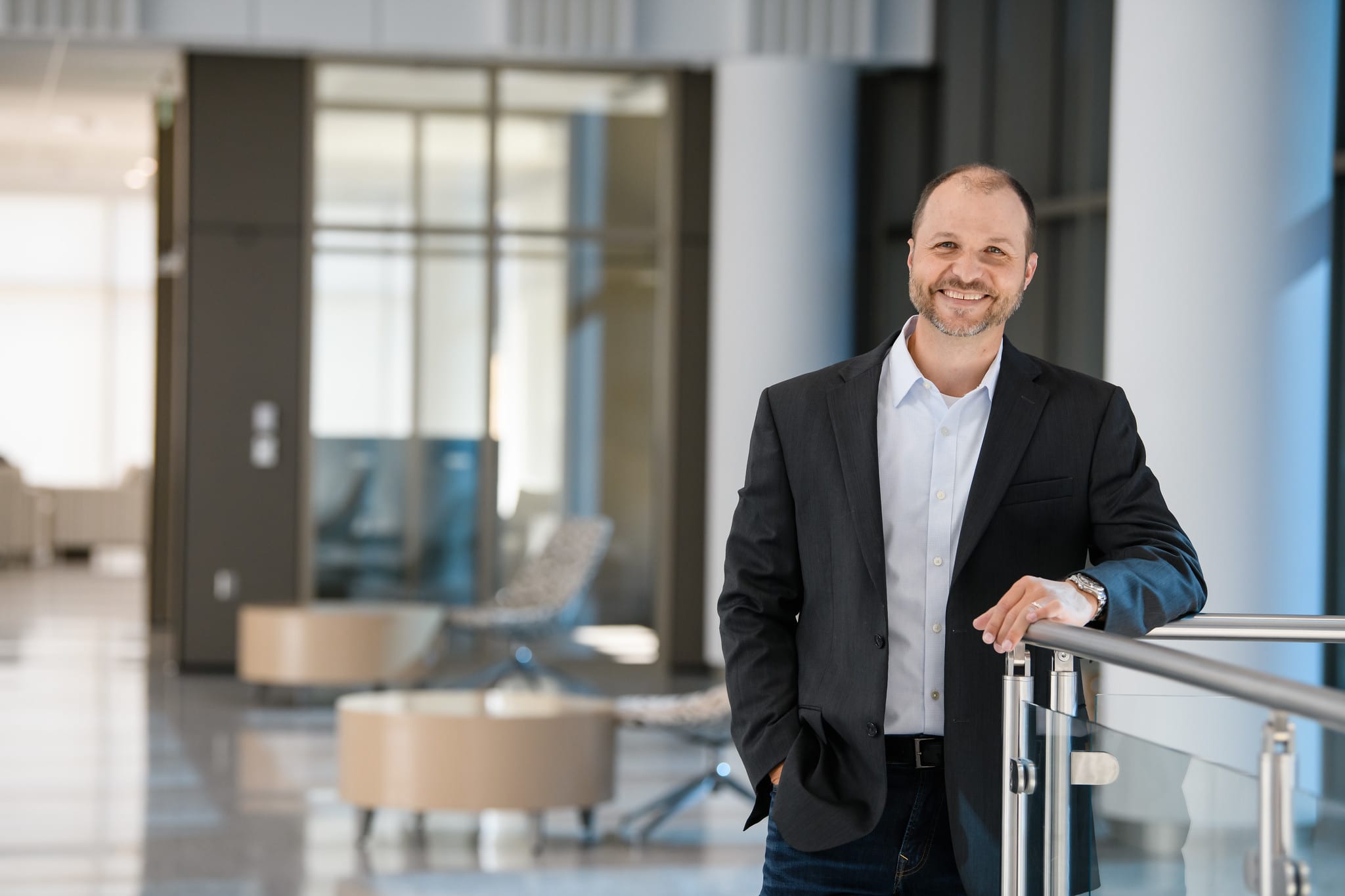
Arthur M. Spiro Professor of Entrepreneurial Leadership, Department of Management – Wilbur O. and Ann Powers College of Business
Whether you’re a new entrepreneur or an entrepreneurial CEO, securing support from influential stakeholders plays a key role in an organization’s success. Chad Navis explores stakeholder mobilization, emphasizing how an entrepreneur’s language, symbols and behaviors shape stakeholders’ reactions. A thought leader in his field, Navis connects the sensemaking dynamics between parties to outcomes such as investor funding, venture growth and the success or failure of new market categories. He also examines how these processes and results are altered when entrepreneurs exhibit high levels of overconfidence and narcissism. He’s also helped students reach professional goals, including launching national franchises, global brands and appearing on “Shark Tank.”
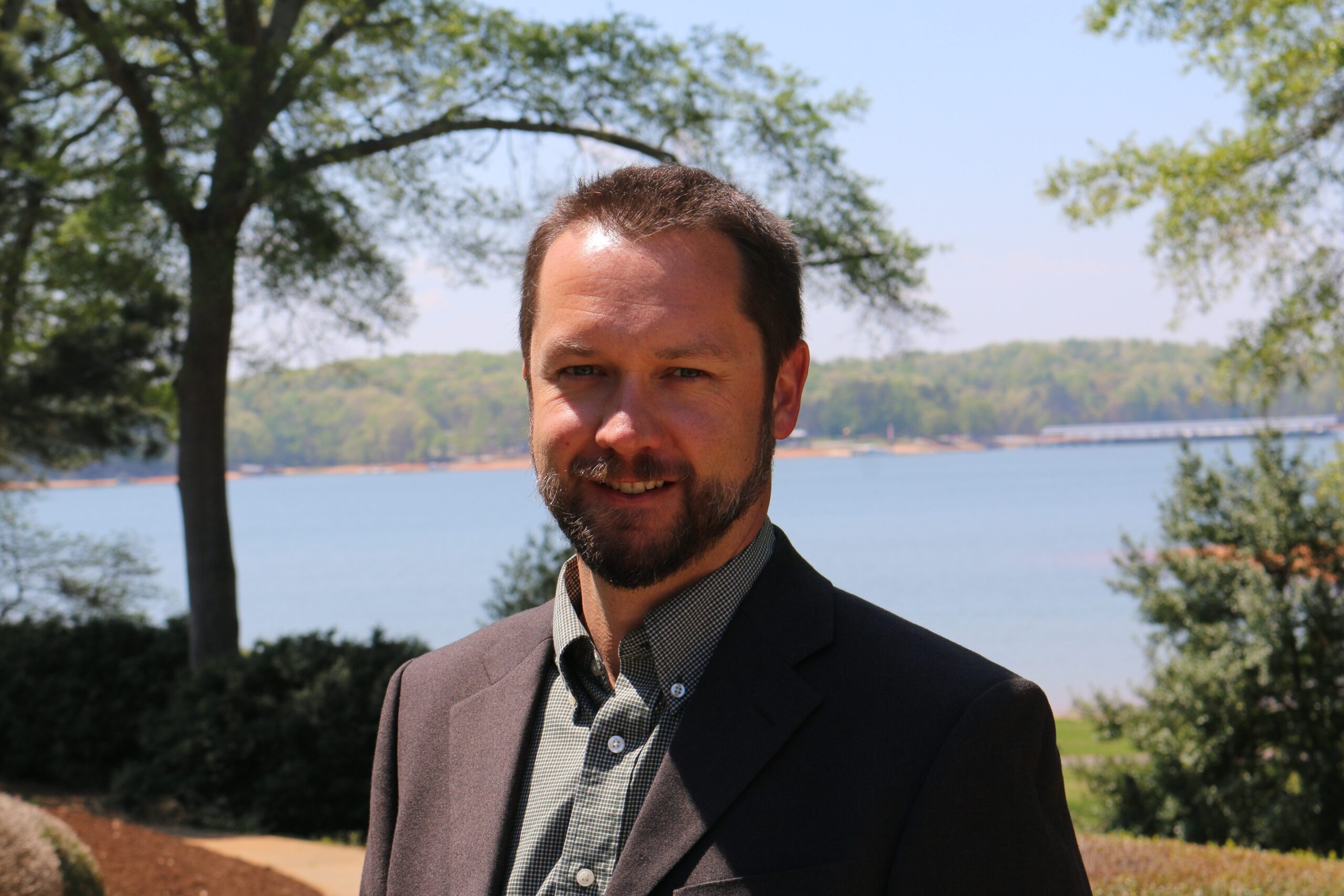
Assistant Professor, Department of Forestry and Environmental Conservation, Baruch Institute of Coastal Ecology and Forest Science – College of Agriculture, Forestry and Life Sciences
Thomas O’Halloran has made it his mission to decipher the “conversations” between the Earth’s surface and atmosphere to better understand how and why they are connected. Understanding those connections can lead to cleaner air and water, more sustainable and profitable options for farmers and forest landowners, and solutions to the problems of climate change. He uses an armada of high-tech equipment including drones, tall towers and a custom-made portable laboratory to learn the language of our environment.
Patricia “Pat” Layton Endowed Director of the Wood Utilization + Design Institute; Professor, Forestry and Environmental Conservation and Materials Science and Engineering – College of Agriculture, Forestry and Life Sciences
The materials used to make everyday products affect how much we rely on fossil fuels and how much packaging we throw away. Forests can do more than supply lumber. They can provide renewable materials and create new value from resources that might otherwise go unused. Turning those resources into useful products can also create economic opportunities for forest communities. The challenge is turning that potential into products people use every day. Maria Soledad “Sole” Peresin's expertise spans forest biomaterials, wood utilization, sustainable and bio-based materials, nanocellulose, renewable polymers and composites, and the translation of forest-based innovation into commercial applications. She can speak about the forest bioeconomy and emerging markets for forest resources; wood utilization and advanced wood products; forest-derived biomaterials and chemicals; nanocellulose and lignocellulosic materials; sustainable packaging and composites; circular manufacturing; and how innovation and market development can support healthy, actively managed forests and rural economies.