Senior Lecturer of American Sign Language — College of Arts and Humanities
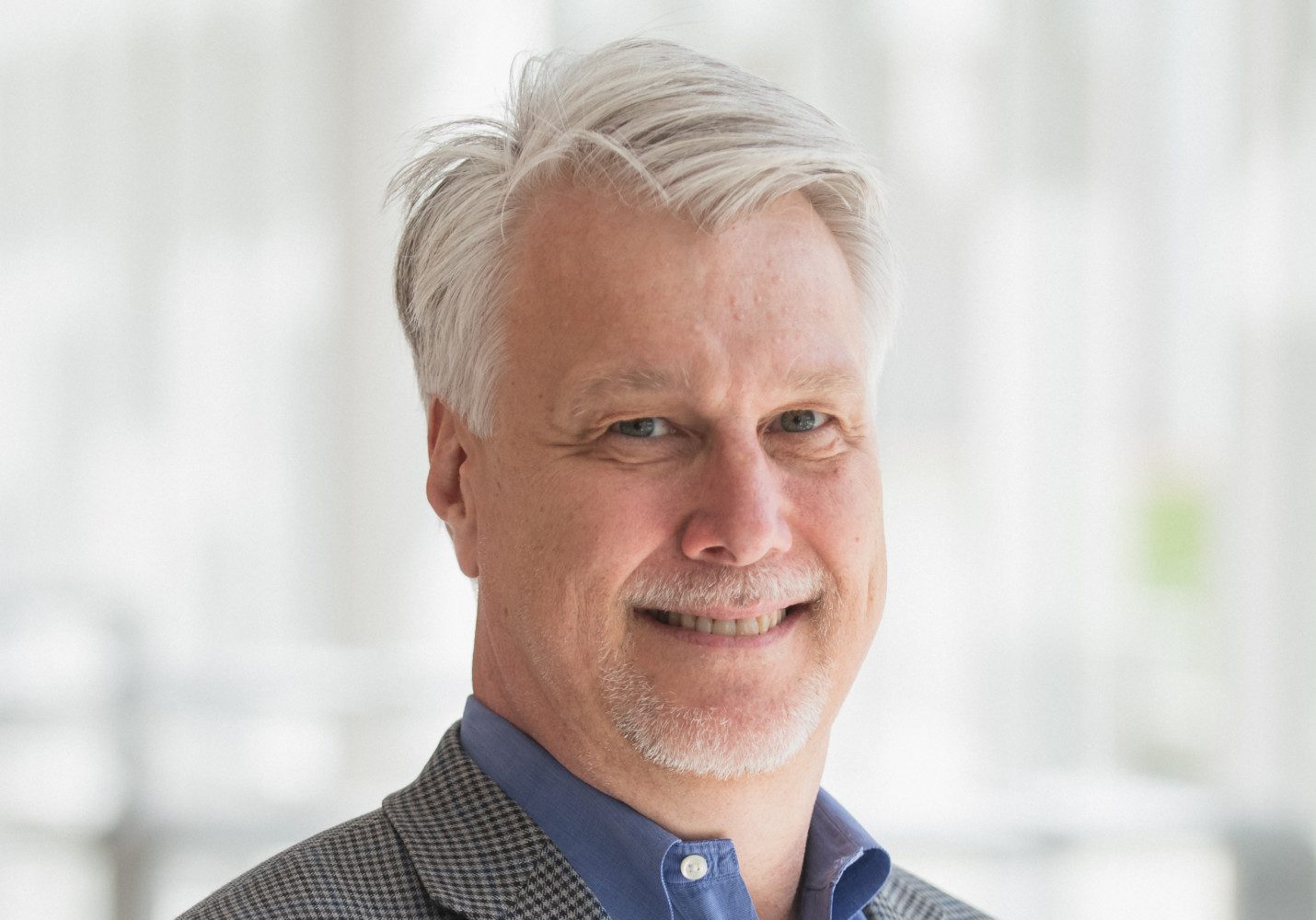
Approximately 12 million individuals in the United States — around 3.7% of the population — identify as deaf or experience significant hearing challenges, according to the 2022 findings of the American Community Survey. Jason Hurdich reaches thousands of people daily across various social media platforms. His mission is to enlighten the public about the vibrant ASL community and its culture. At Clemson, he excels as a senior lecturer in teaching about American Deaf Culture and American Sign Language (ASL) to his students. Hurdich is a Deaf native ASL signer.
Professor of wildlife ecology, Department of Forestry and Environmental Conservation – College of Agriculture, Forestry and Life Sciences; Director of the Clemson Boone and Crockett University Program
From protecting and recovering endangered species to managing predators in our own backyards, wildlife conservation affects the animals, landscapes and communities around us. David Jachowski, Ph.D., a wildlife conservation scientist, can provide insight on endangered-species recovery, wildlife restoration, carnivore ecology and the management of mammals in the Southeast, including how science informs conservation policy and practice.
Associate Professor of Education and Human Development in the College of Education; Founder of the Context of Learning and Development Lab
Focusing on the psychological processes at play among teachers, students and their communities, Faiza Jamil’s research focuses on the underlying reasons for teacher behavior and career decisions as well as how student-teacher interactions influence a child’s learning and development. Jamil’s experience studying real-world examples of schools and teachers in crisis allows her to shed light on what makes a resilient school that can provide equitable and safe education amid economic or social disruption.
Director, Center for Advanced Manufacturing; Thomas F. Hash Endowed Chair in Sustainable Development, Department of Materials Science and Engineering – College of Engineering, Computing and Applied Sciences
Technology is changing how the world does business, and manufacturing is no exception. Mark Johnson stays ahead of trends through his research on topics ranging from robotics and virtual reality to artificial intelligence and lightweight materials. Johnson’s work seeks to drive collaboration between the next generation of students and manufacturing companies, applying technology in a forward-looking way to drive international competitive advantage. His expertise ranges from materials science and semiconductors to renewable energy technology and efficient manufacturing.
Spartanburg Regional Healthcare System Endowed Chair in Architecture + Health Design; Director of the Center for Health Facilities Design and Testing; Professor in the School of Architecture; Adjunct Professor in the School of Industrial Engineering
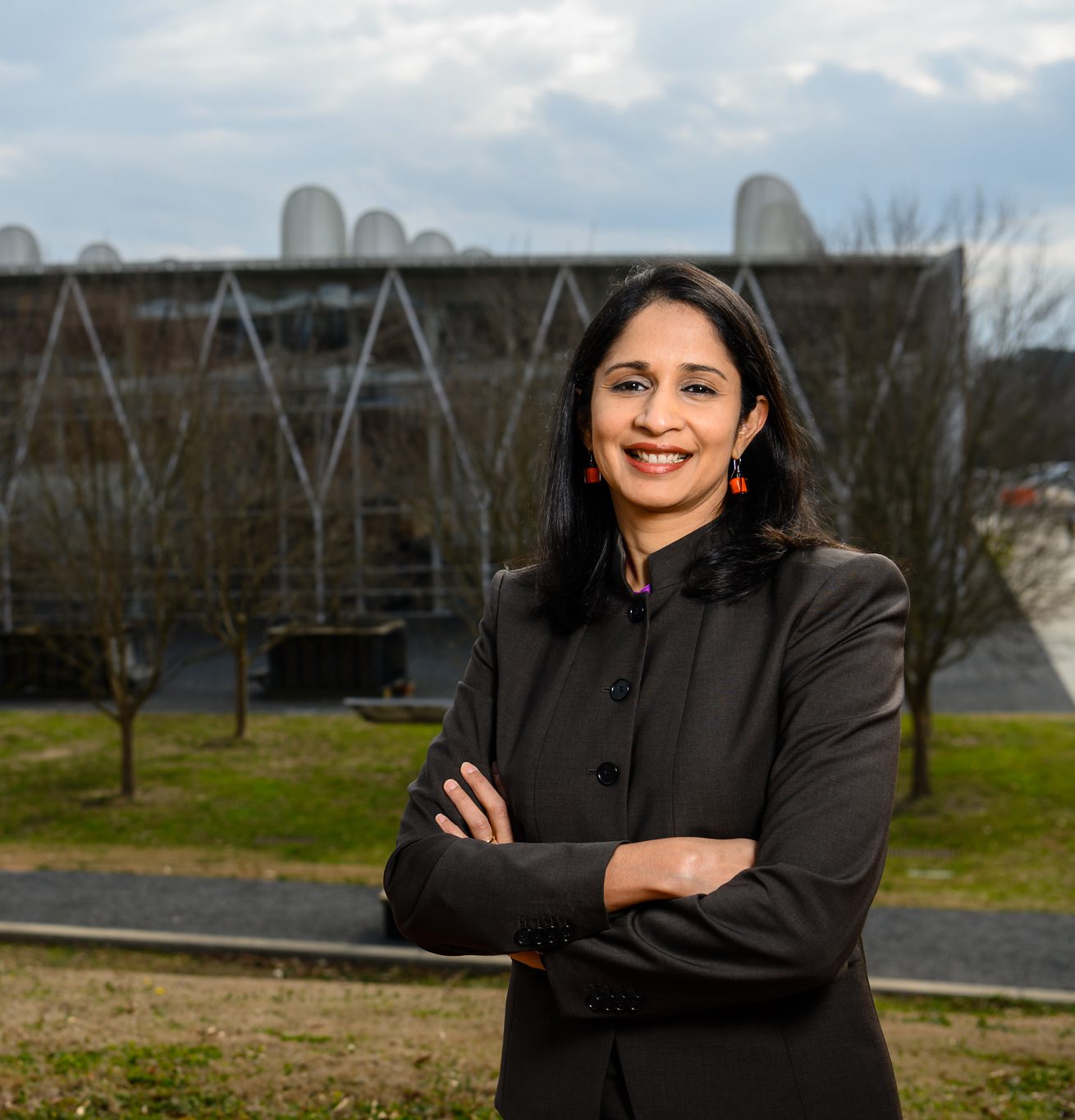
The way health care environments are arranged can make health care providers’ jobs easier and increase the quality and safety of patient care. In her research, Anjali Joseph, Ph.D., EDAC, focuses on how the design of the physical health care environment — from an outdoor pop-up clinic to an operating room to an entire hospital — impacts the health, well-being and safety of occupants and supports doctors, nurses and other health care providers as they provide patients with safe and comfortable care.
Member of the Water Resources Program Team in in Pendleton, South Carolina; Assistant Professor, Department of Agricultural Sciences – College of Agriculture, Forestry and Life Sciences
From prolonged droughts to increasingly severe flooding, water-related challenges are affecting agriculture, communities and economies across the Southeast. Research that helps communities better anticipate and respond to these challenges is increasingly important. C. Prakash Khedun, Ph.D., is an assistant professor in Clemson University's Agricultural Sciences Department and a member of the Water Resources Program Team. Based at the South Carolina Water Resources Center in Pendleton, South Carolina, Khedun provides expertise on drought, flooding, water availability, climate variability and the water-related challenges affecting agriculture and communities across the Southeast.
Precision Agriculture Engineer, Edisto Research and Education Center; Adjunct Assistant Professor in the Department of Agricultural Sciences
Agricultural research and technological advances can mean the difference between success and failure for farms, both new and established. Kendall Kirk’s research aids farmers by building tools to assist them in working smarter, not harder. This increased efficiency results in greater profitability for farmers with reduced environmental impacts, and higher productivity feeds a growing population and helps address world hunger. Kirk’s work in precision agriculture seeks to develop methods and technologies to increase farm efficiency and productivity utilizing a host of technology, including analytical software, remote sensing, software development, yield and harvest applications and more.
Professor of Psychology – College of Behavioral, Social and Health Sciences
Social media, gaming and other online communications have benefits, but when these platforms are used to bully others, people young and old can feel they are unable to escape bullying behavior. Kowalski studies how bullying and cyberbullying overlap, what motivates this behavior and what parents and educators can do to mitigate the negative effects of bullying and cyberbullying.
Robert and Lois Coker Trustees Endowed Chair of Genetics; director, Clemson Institute of Translational Genetics, Advanced Plant Technology Program – College of Agriculture, Forestry and Life Sciences
Genetic diversity of crops can aid food security, improve human health and provide cropping systems sustainability. Stephen Kresovich’s research intersects conservation and agriculture by integrating advances in genetics and genomics to solve problems in ag, the environment and human health — looking at traits in plants to address issues in agriculture and provide solutions for conservation, sustainability and economic development.
Strategic Advisor of the Wood Utilization + Design Institute, Professor Emerita of Forestry
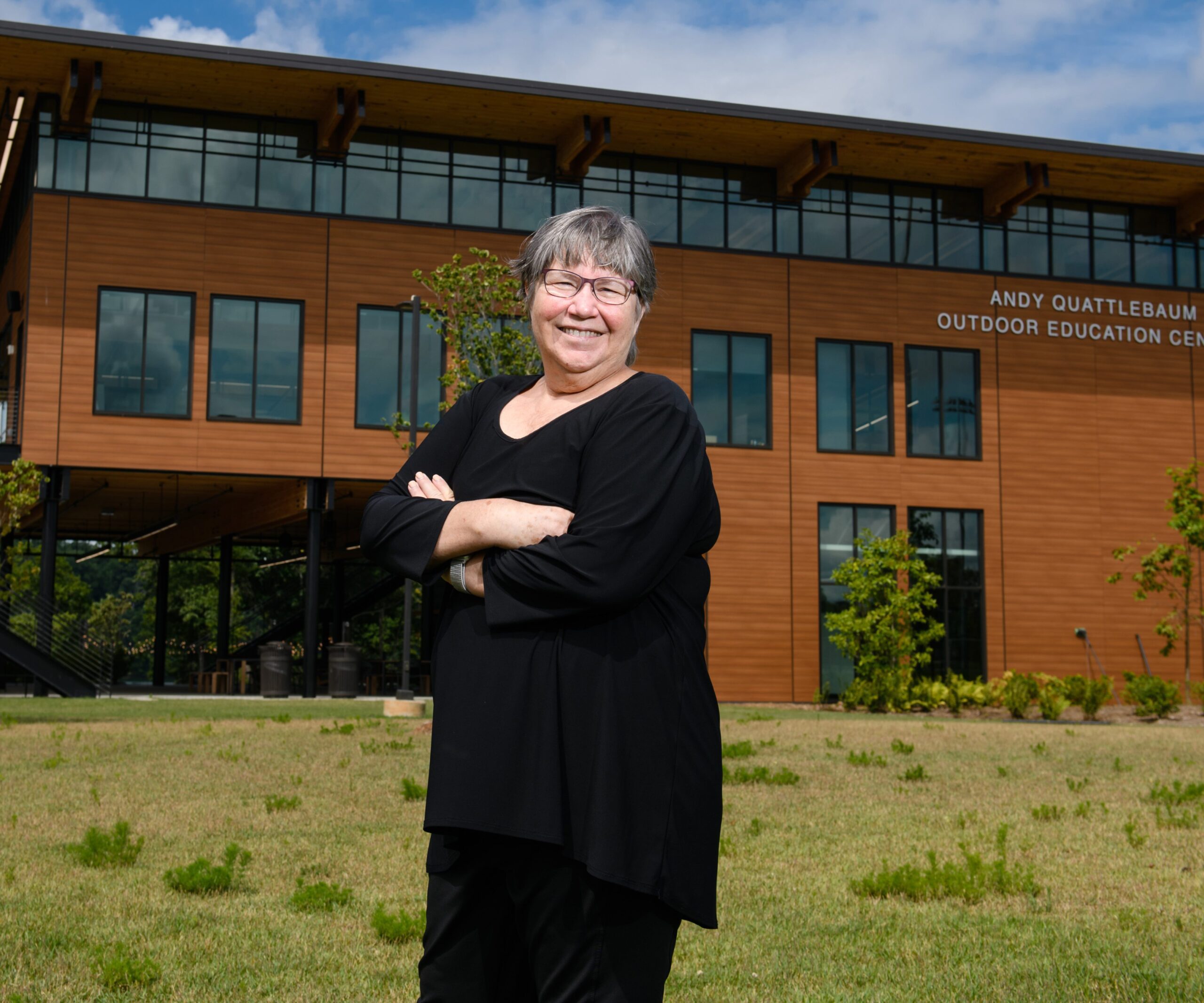
Forests play an ever-important role in the economy through jobs, products and recreation. For forests to continue providing these great societal benefits, individuals like Pat Layton must play an instrumental role in educating others across the country and around the world on the importance of mass timber and expanding the use of wood products in novel projects. With a focus on the environment and sustainable forest management, Layton explores the application of mass timber construction, and more specifically, the utilization of Southern yellow pine cross-laminated timber (CLT). Throughout her career, she’s been central in policy creation and the development of several high-profile mass timber buildings in the state of South Carolina.