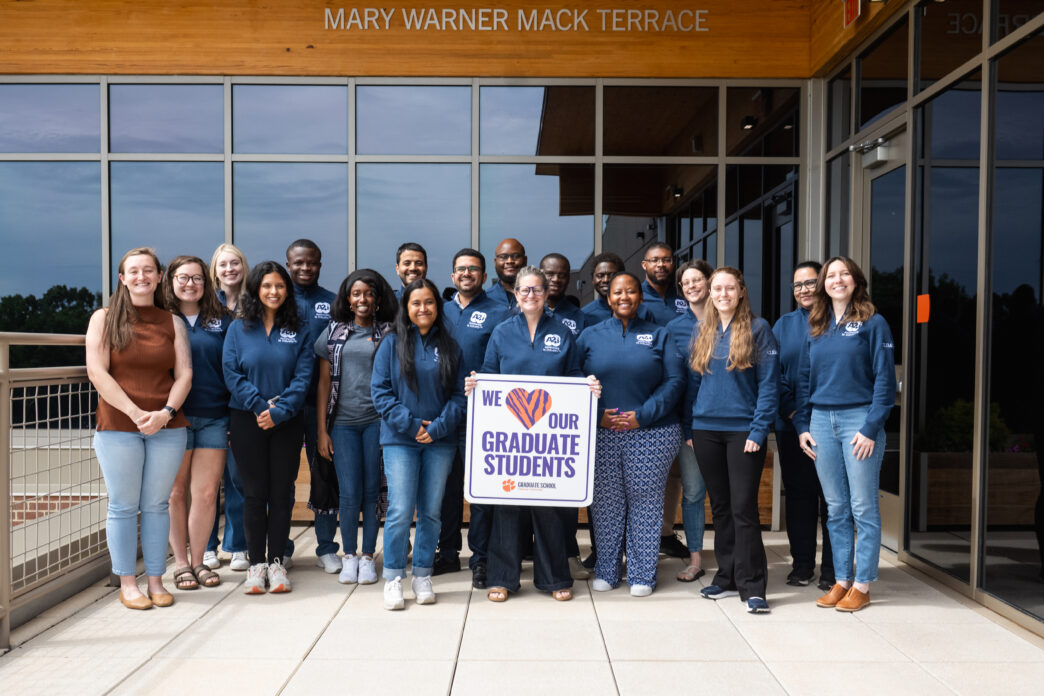
The monthly “Elevate Well-Being” blog series shares thoughts and reflections of Clemson Well-Being Council members and University faculty, staff and students. Our May 2026 blog is courtesy Jenny Presgraves, assistant dean for professional development, health and well-being in the Clemson University Graduate School.
Like many people working in higher education, I often feel as if my primary goal is simply to stay upright during the seasons when a semester’s pace becomes relentless. During a GRAD 360° session last year, however, I had an epiphany when Chelsea Murdock from the writing center described the value of treating dissertation writing as a ritual. I was immediately drawn to the framing of work as ritual. It prompted me to experiment with creating small, intentional markers in my day, anchors that helped me arrive, shift and close with more steadiness. I have always benefitted from routine, but routine is about efficiency. Ritual is about intentionality. It gives the day edges, texture and purpose.
So far, I have organized my approach into three types of rituals: grounding rituals, transition rituals, and completion rituals. Grounding rituals shape how I begin the day, the week, or a particular task. Transition rituals help me shift between responsibilities or meetings. Completion rituals give me a clear way to close out a task or a day.
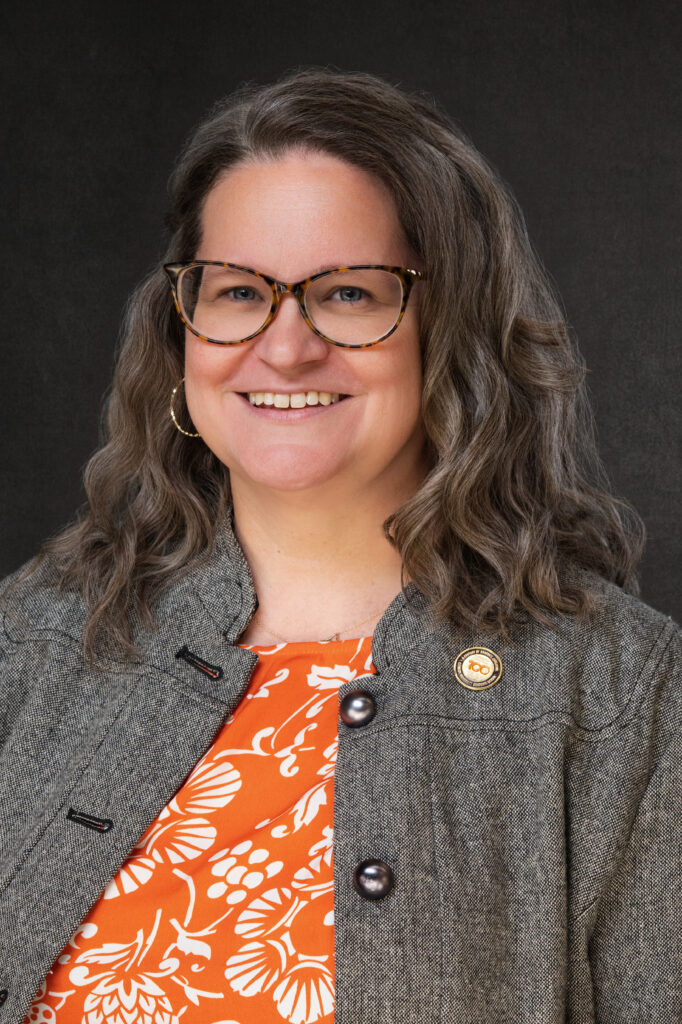
None of these rituals are brand new. Some examples include taking a five-minute walk before starting work or addressing one task before opening email. My transition rituals include resetting the applications on my computer (including closing all tabs!) before moving to a new task or meeting so that only what I need for the next hour is visible. My completion rituals include wiping down my desk at the end of the day, writing a list of my top four priorities for the next morning and reserving time after each event to reflect on what went well and what could be improved.
What I love about thinking of things as rituals is they are personal and adaptable in nature. My rituals will not be someone else’s rituals, and that is the point. They form a wellness practice that invites reflection, presence and choice. In a world focused on speed, ritual encourages us to move with meaning. In a role where the work is unpredictable and sometimes emotionally charged, small practices create internal boundaries large organizations cannot always provide. Grounding rituals help me begin with intention rather than urgency. Transition rituals keep one conversation from spilling into the next, especially when I am moving quickly between different audiences. Completion rituals offer a sense of closure in a field where the work is never completely finished.
These patterns also demonstrate something important for the graduate students and postdocs I serve. Well-being is not separate from professional development. Many of the skills we emphasize in GRAD 360°, Accelerate to Industry (A2i) and the Center for Transformational Mentorship reflect the same logic as ritual. These skills include setting purpose, pausing to reflect and creating clarity in the midst of uncertainty. When Chelsea described dissertation writing as ritual, it was not only about producing more pages. It was about reclaiming agency. That is the quiet power of these practices.
Ritual will not make a semester less busy, and it will not eliminate the unpredictability that often defines work in higher education. It does offer something smaller but more realistic. It gives us a way to meet the work with steadiness, to carry less emotional residue from one moment to the next, and to end the day with a clearer sense of who we were throughout it. In a profession built on care, rigor and constant change, steadiness is not a luxury. But I would argue it is foundational to our best work.