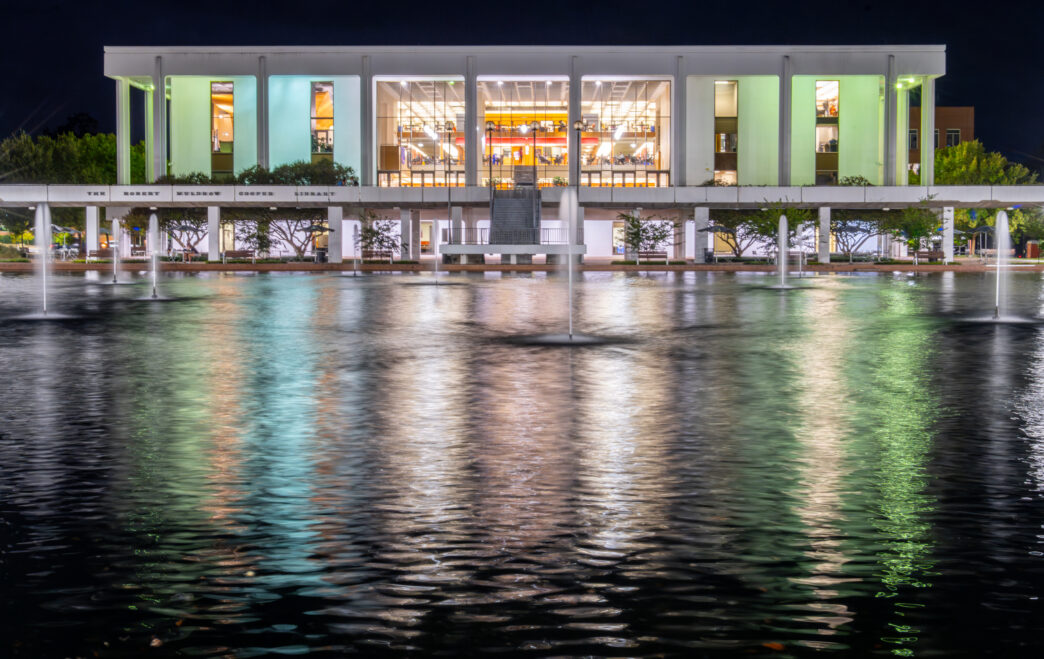
The year was 1966. Lyndon B. Johnson was president of the United States. The country was embroiled in war in Vietnam. “The Sound of Music” won the Oscar for Best Picture. “Star Trek” premiered on television. NASA started a series of missions to explore the possibility of landing a man on the moon. And at Clemson University, the Robert Muldrow Cooper Library opened its doors.
Clemson Libraries will celebrate the milestone anniversary throughout the month of October with a number of special events:
Happy Birthday, Cooper Library, Thursday, October 8, 11 a.m.-noon, Cooper Library 6th floor — students can celebrate at this 60th birthday party, featuring food, games, prizes and more. The event will include a celebration of Cooper’s recent naming to the Princeton Review’s Best College Library list.
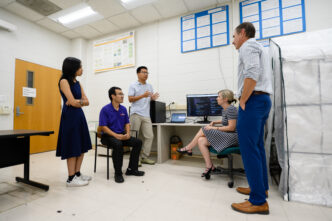
Graduate Student Study Lounge Grand Opening and Graduate Data Hackathon, Tuesday, October 20, 9 a.m.-noon, Cooper Library room 212 — The library will open the doors to its new graduate student study lounge in room 212, and the Data Visualization Lab will host a hackathon event where graduate students can dig into real library data to reimagine what our study spaces will become. The space will be dedicated and winners of the hackathon will be awarded at 1 p.m.
Cooper Library and the Moment Clemson Agricultural College Became a University, Thursday, October 22, 3-5 p.m., Cooper Library 4th floor — University Historian Otis Pickett will speak on the turning point that set the stage for the library as it is today. Pickett’s talk will also be livestreamed for those who cannot attend in person. Click here to register to attend in person or click here to register for the livestream.
The Architecture That Shaped Us, Thursday, October 29, 2:30-3:30 p.m., Cooper Library 4th floor — Associate professor of architecture Ufuk Ersoy, author of “100 Years of Clemson Architecture: Southern Roots + Global Reach” will speak about the design and legacy of the buildings that define the Clemson campus, including Cooper Library.

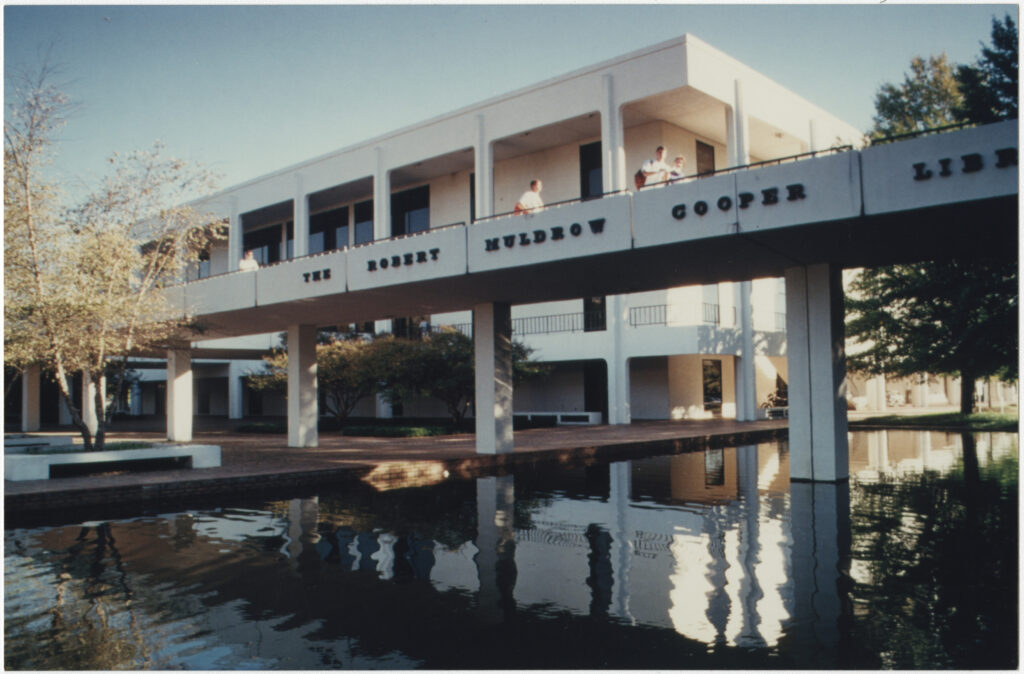
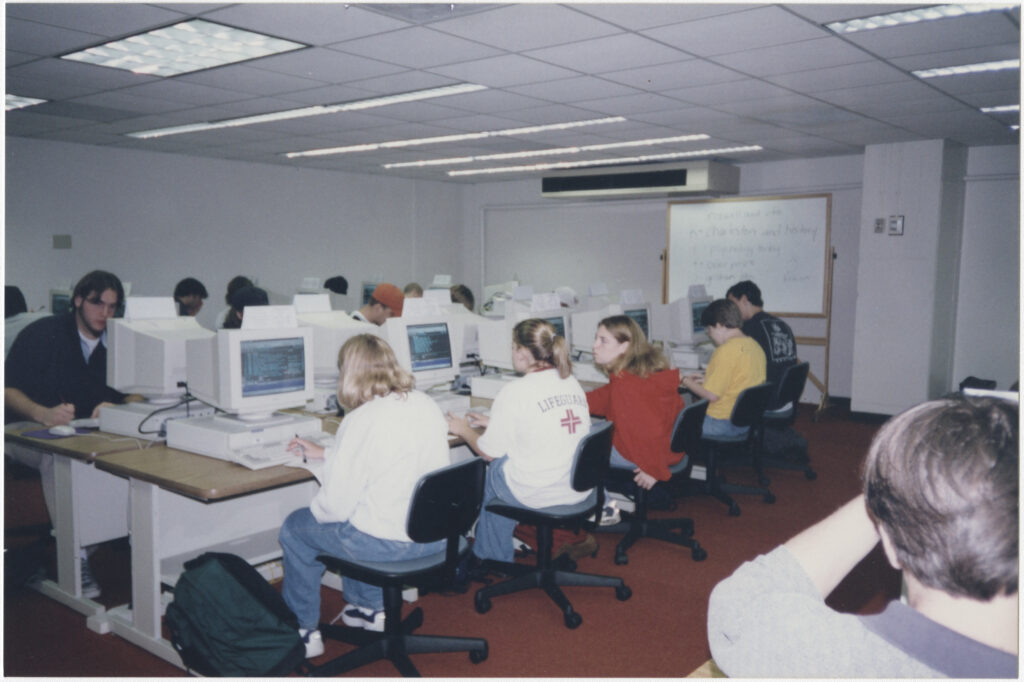
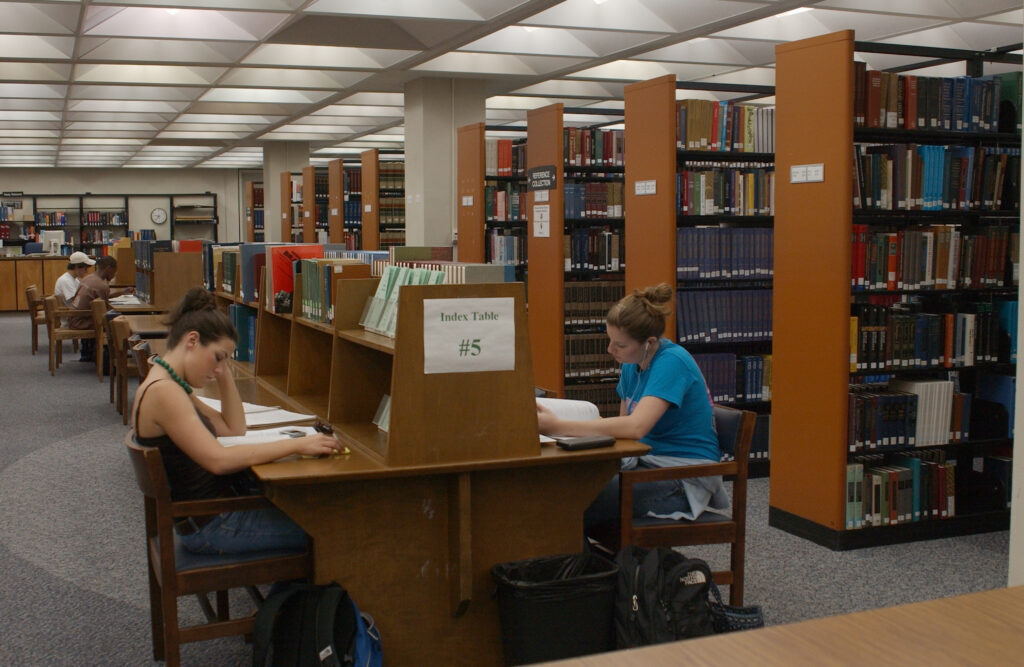
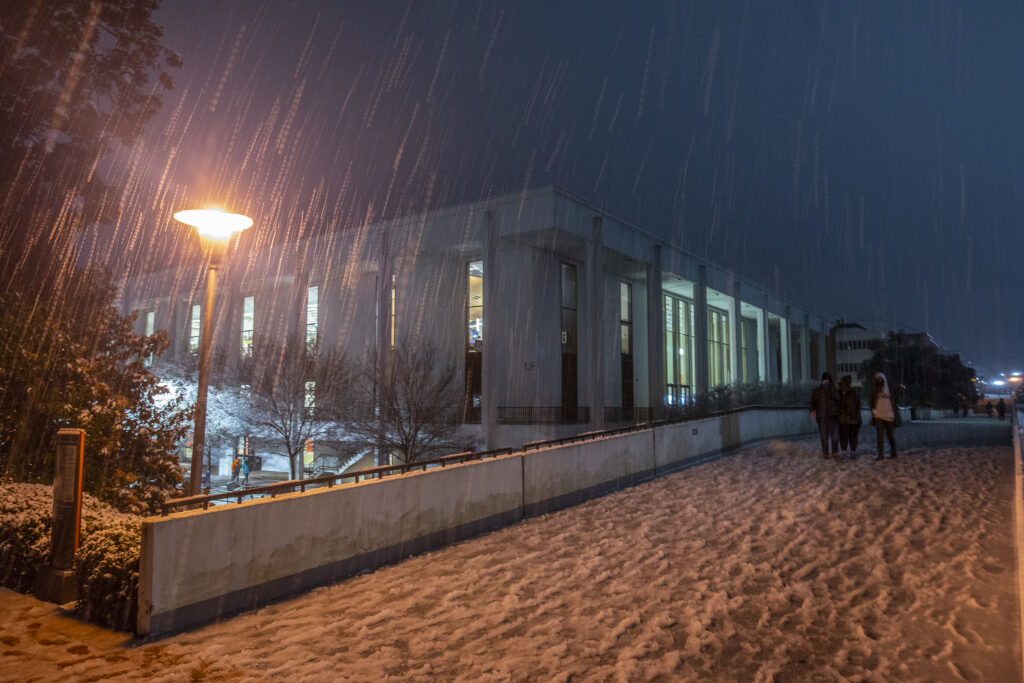
“It is important to look back over the past 60 years and celebrate how much we have accomplished during that time,” said Clemson Libraries Dean Chris Cox. “Clemson University, the field of librarianship, and higher education in general has completely transformed over the past six decades, with information moving from print to digital, and even more now with the increase in the use of AI. All these changes mean that the library is more important than ever to help our students, faculty, staff and community navigate this new and evolving landscape of finding and vetting information. I am looking forward to seeing how Cooper Library continues to grow and adapt in the years ahead.”
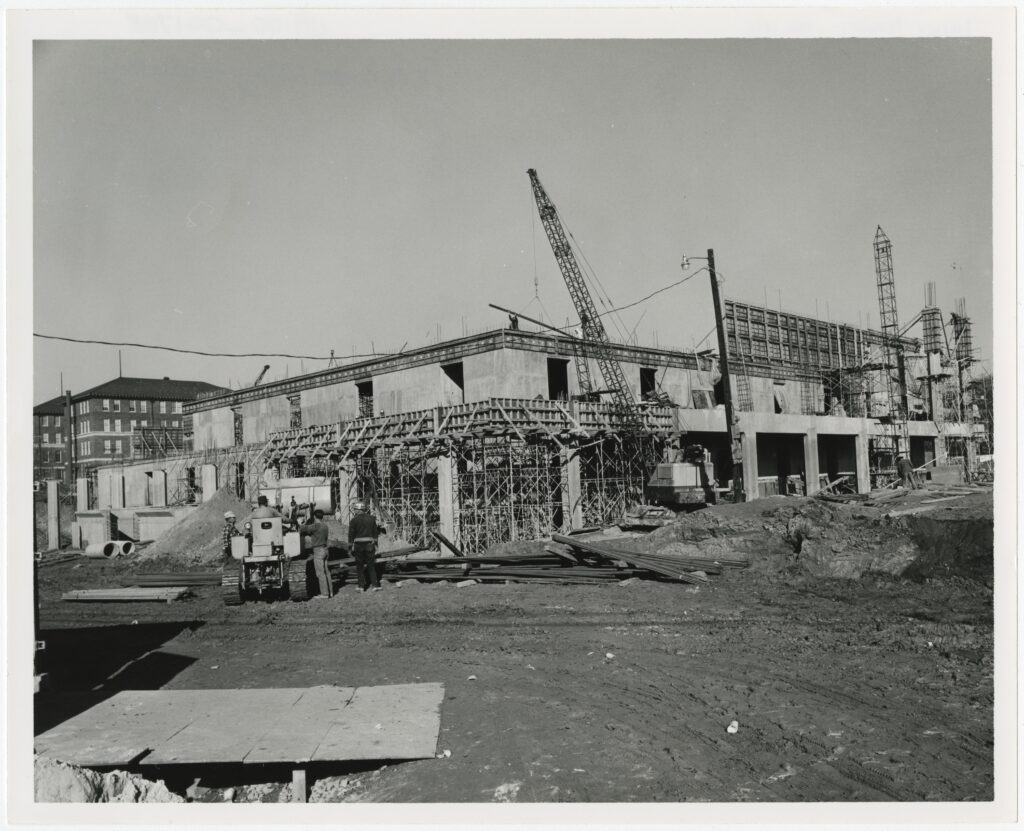
Prior to Cooper Library, Clemson’s library existed in two locations — Sikes Hall and Tillman Hall. But Clemson needed a better library to support its growing student body, especially if it wanted to increase its academic reputation. Construction began in 1964 on the library in the geographic center of campus, and then President R.C. Edwards wrote that the new library would “be a vital part of the educational experience of every student, graduate and undergraduate” in his 1964-65 annual progress report.
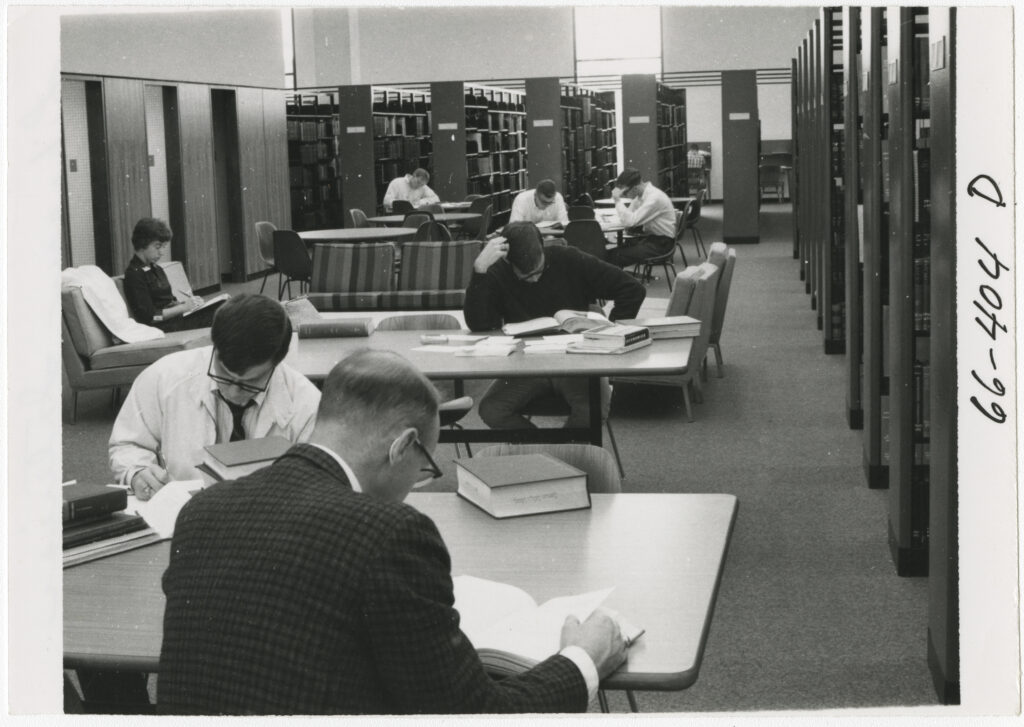
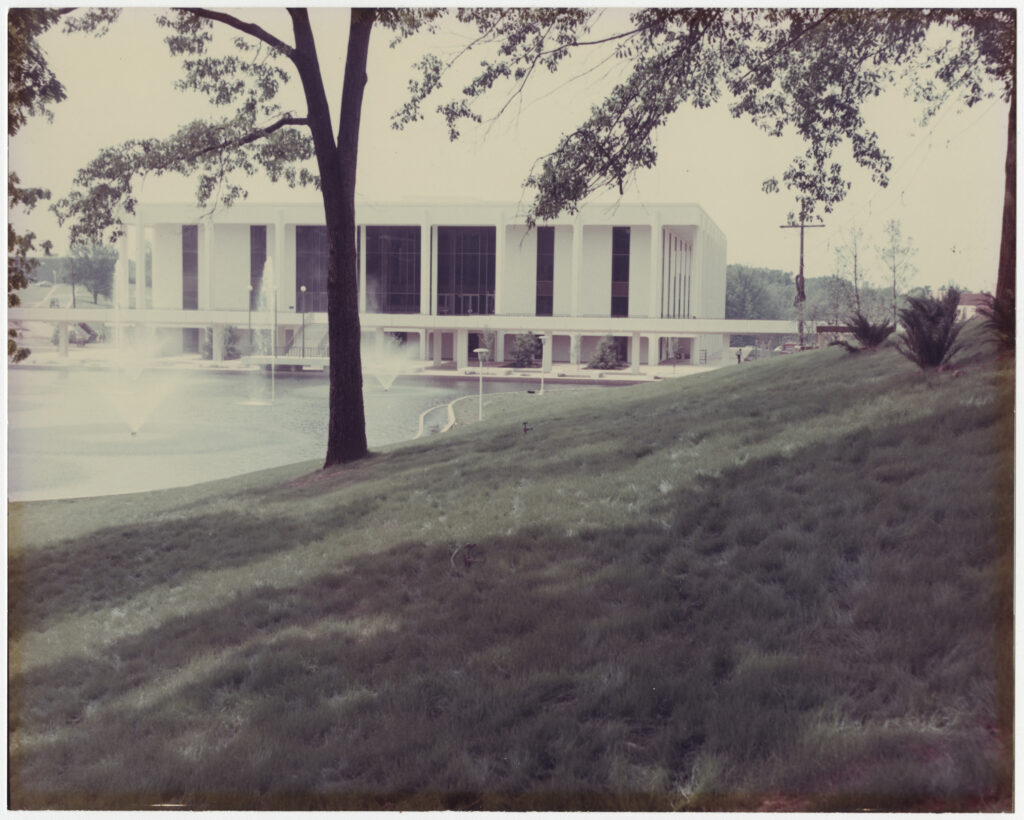
The building started out with three floors and a basement but was designed with expansion in mind, and more floors were added in 1972, 1978 and 1980. When Cooper opened, there were approximately 250,000 print volumes in the collection. Clemson had around 1,200 students at the time, and the library had 37 employees.
Today, Cooper Library serves nearly 1.4 million visitors per year, making it one of the busiest buildings on campus. There are more than 1 million physical titles and 2.6 million electronic resources in the collections, and there are now more than 100 faculty and staff working for the Libraries.
Cooper Library also has a lot more to offer than just books these days, with a collection of more than 400 technology items available for check out and spaces such as the Adobe Studio and Makerspace, the Data Visualization Lab, and the Clemson Center for Geospatial Technology’s GIS lab that provide resources and education in digital literacy.