


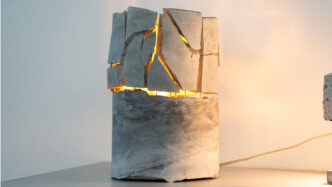
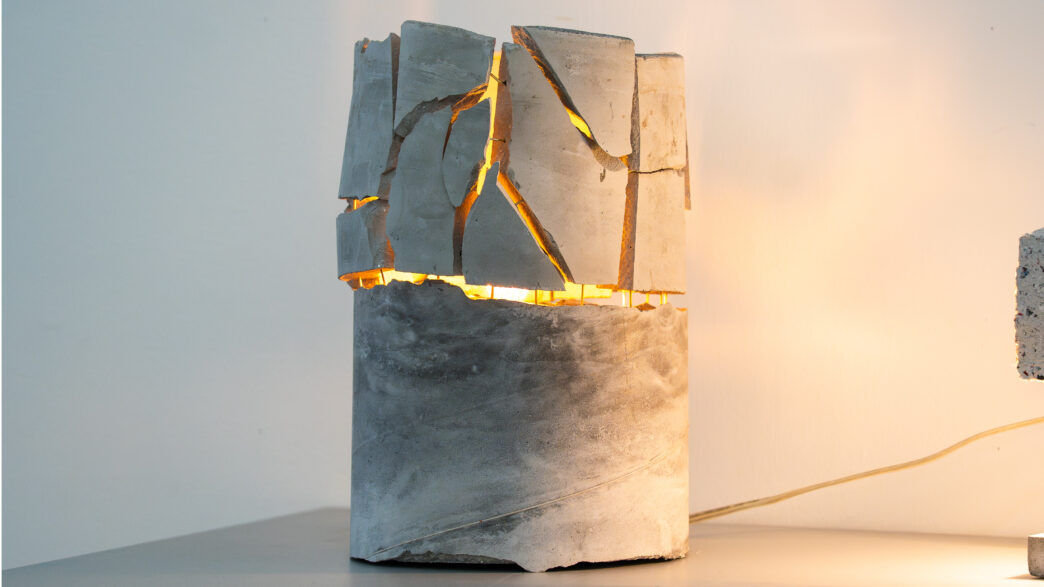
What defines a chair? How does a table communicate space, purpose and process? For a group of College of Architecture, Art and Construction (CAAC) students, answering questions like these meant stepping away from sketches and screens and into the studio.
A new furniture design course, offered by the CAAC’s Department of Art, guided students from initial concept to a completed piece of furniture. The class blended research, theory and hands-on fabrication, while asking students to explore both historical craftsmanship and modern methods as they created their own functional works.
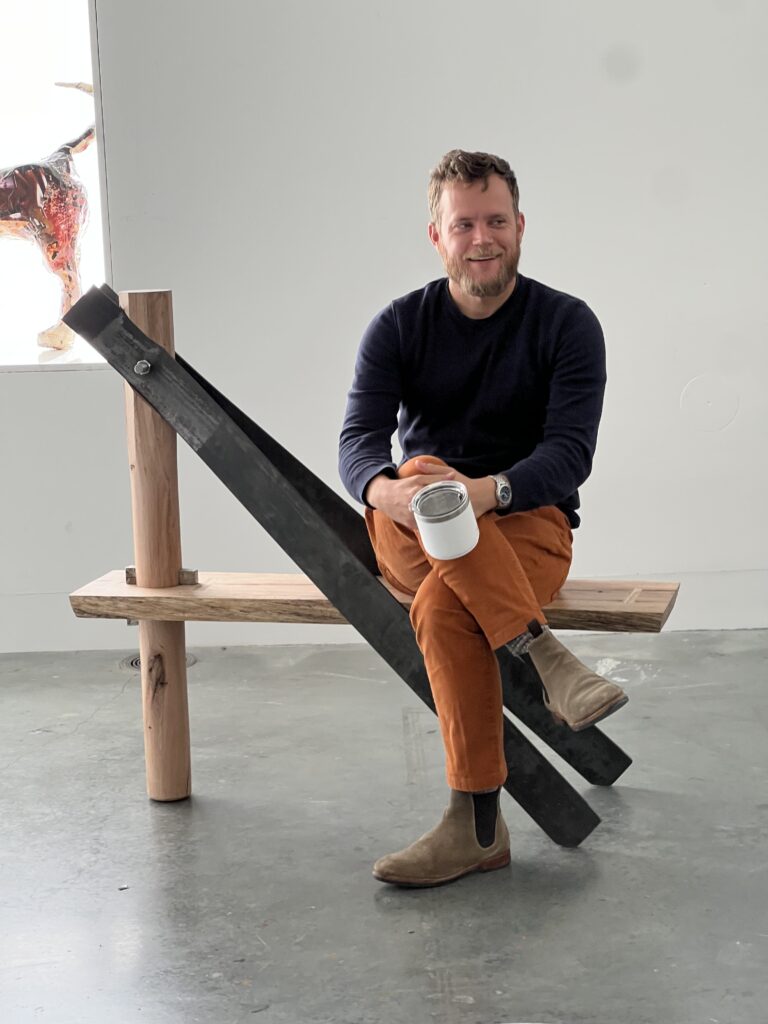
Alex Schechter, assistant professor of art in sculpture, said the goal is to push students beyond simply building objects and instead get them thinking about how furniture expresses ideas.
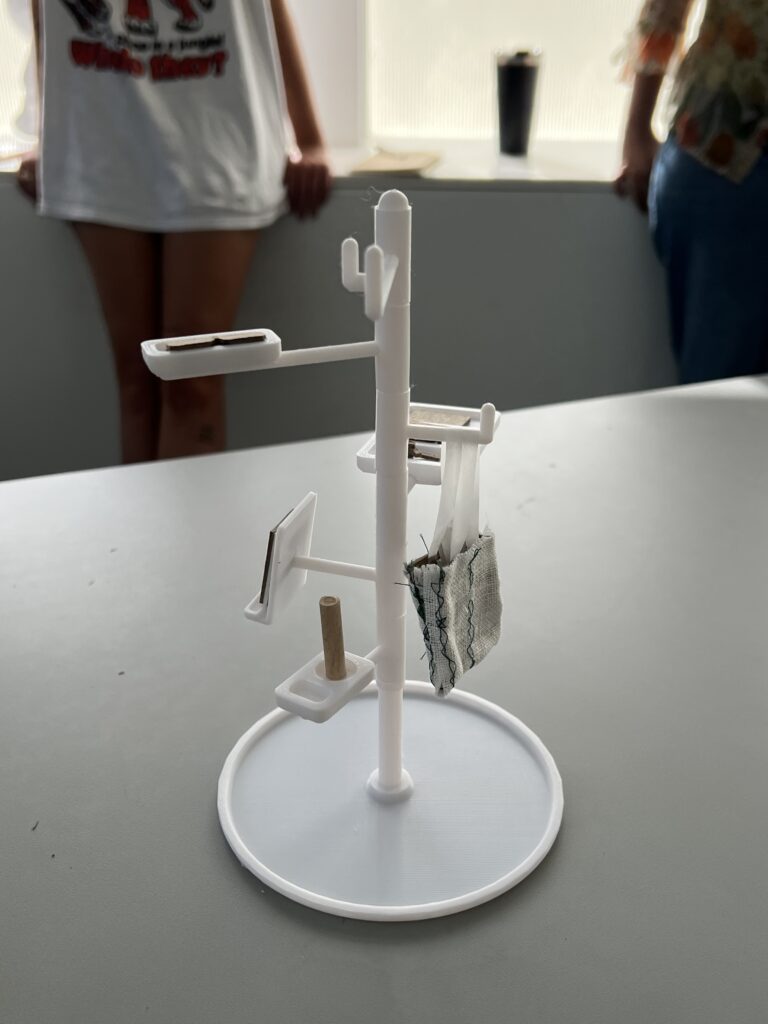
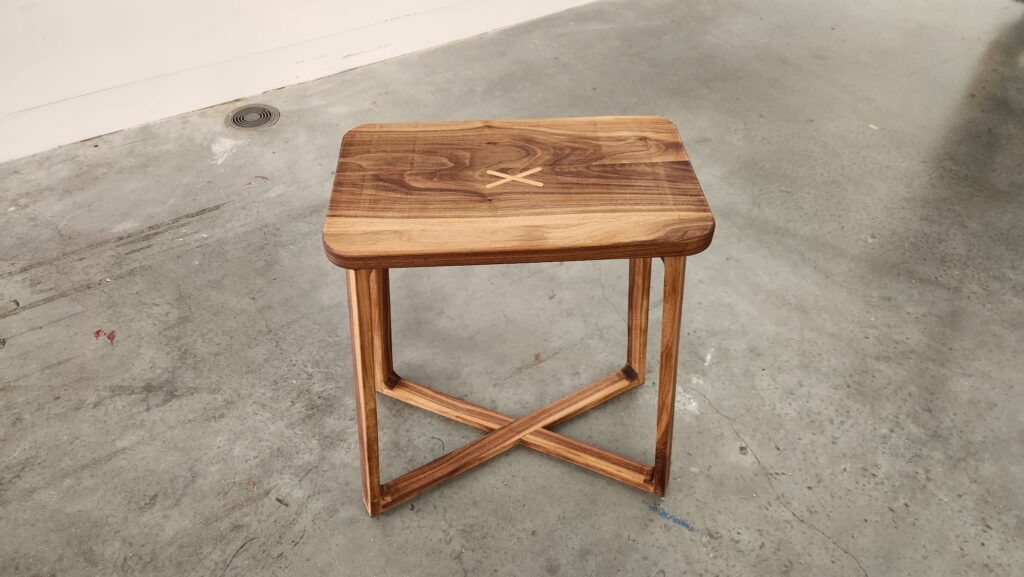
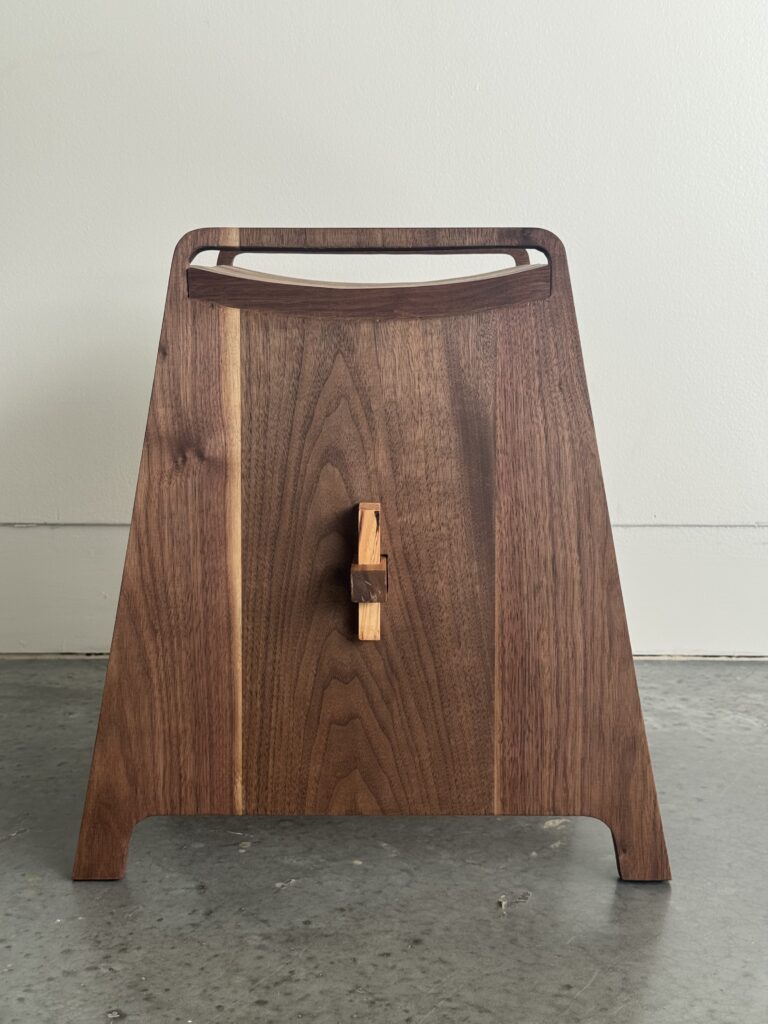
“This semester, each student worked on defining furniture from abstract concepts, then designing work for theoretical spaces and then worked to design and fabricate three separate pieces of fully functional furniture,” Schechter said.
In the studio, students experimented with materials, tested prototypes and refined their ideas through hands-on problem solving. For many, the process became a bridge between disciplines, connecting architecture, art, engineering and craft.
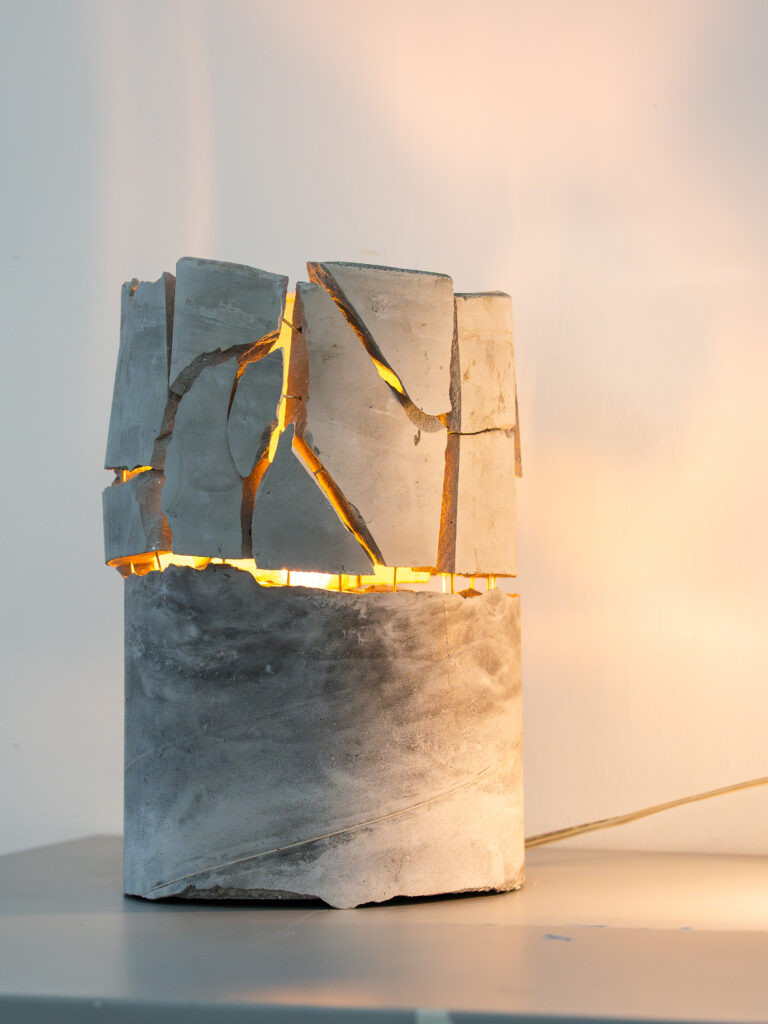
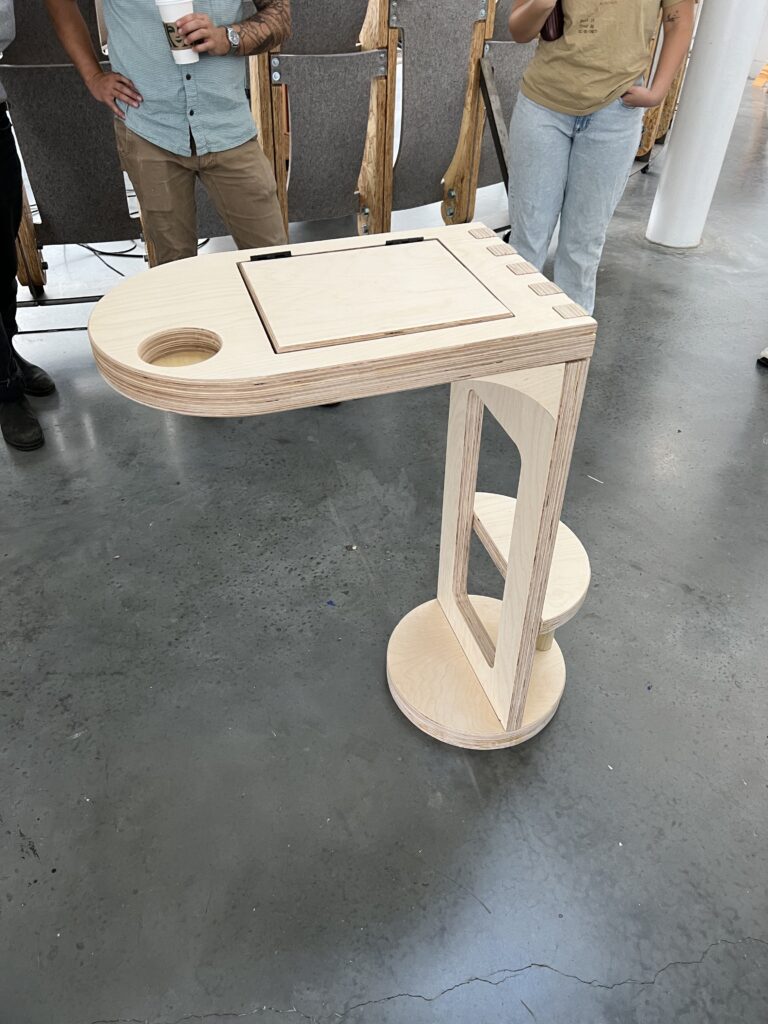



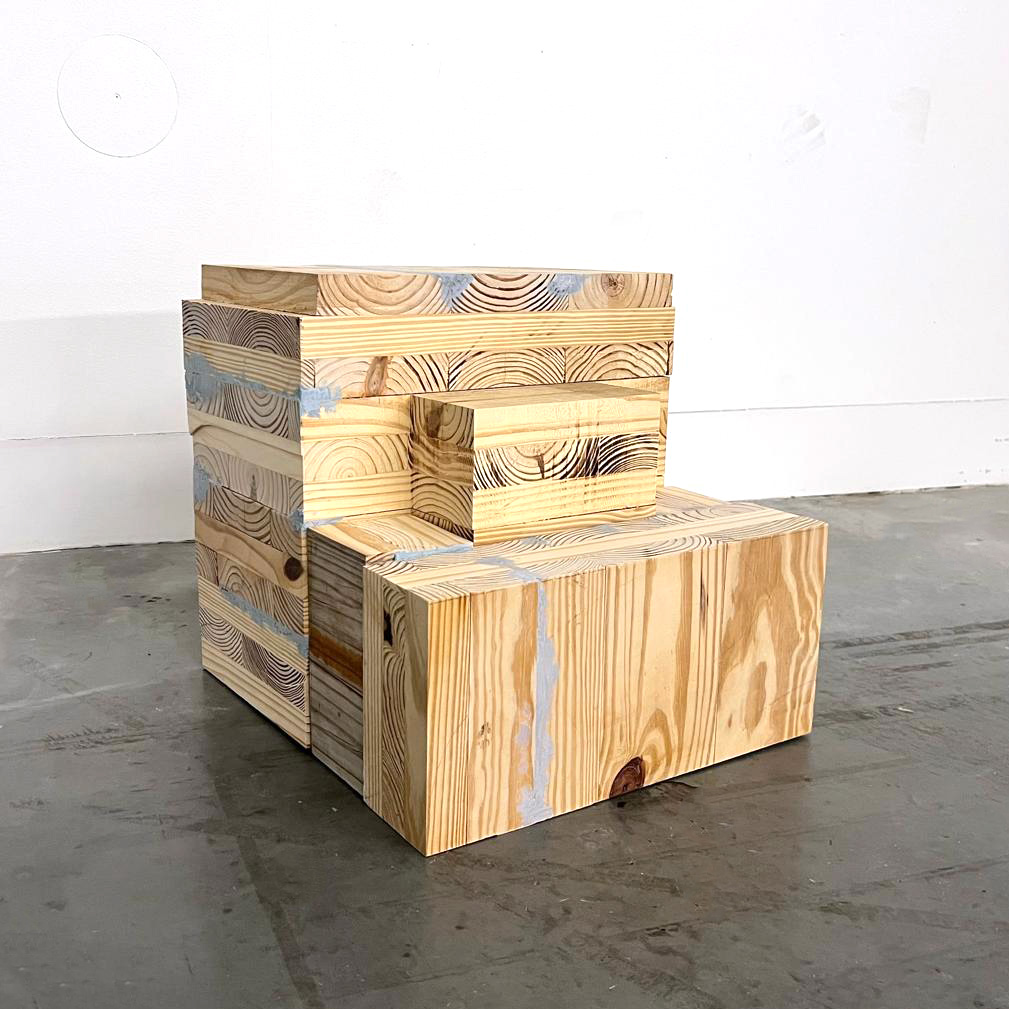
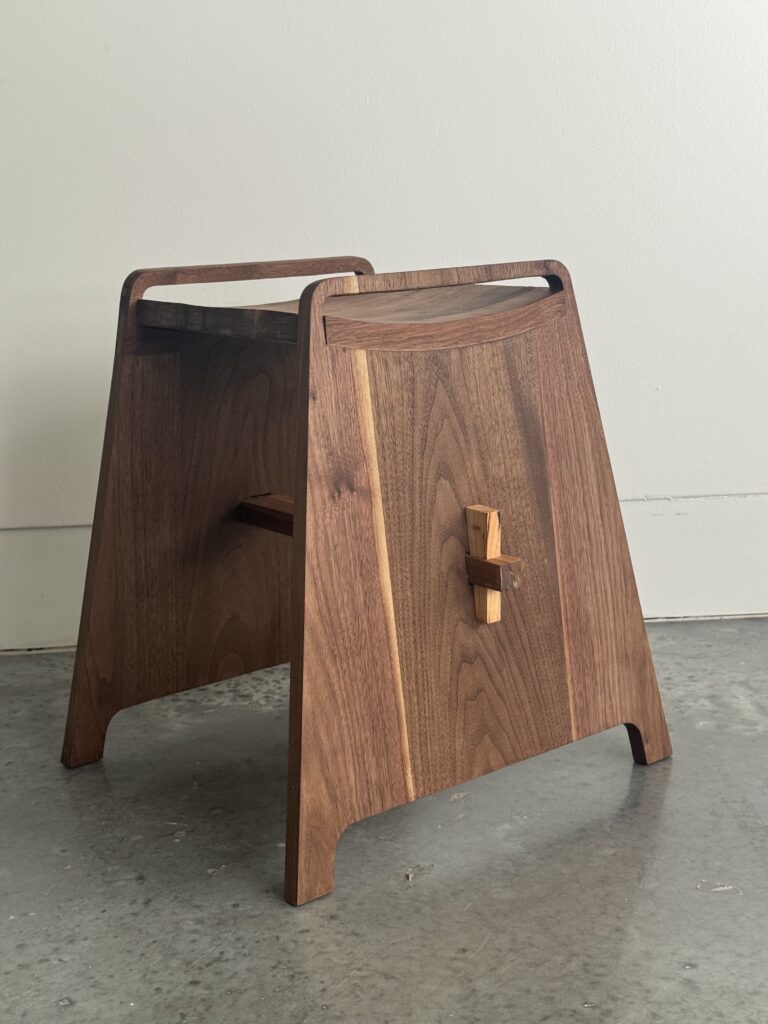

Master of Architecture student Matthew Fernandes says the course reshaped the way he approaches design as a whole.
“My experience in furniture design has been incredibly influential in shaping both my design thinking and my craft,” Fernandes said. “The course challenged me to think critically about material selection, the inherent qualities of each material and how those qualities inform a design.”
The chance to experiment with materials, push his design skills and build his own furniture was something that he hopes more students will pursue.
“I encourage all students to take some form of interdisciplinary design course during their time in school. Shifting design scales and mediums, whether furniture, sculpture, or otherwise, pushes you to broaden your creative expression and develop versatile, resilient design skills,” Fernandez explained.
By the end of the semester, each student produced several functional pieces. Schechter said that combination is what makes the course so powerful. Students leave with new technical abilities and a deeper understanding of how well designed objects can shape environments, solve problems and connect communities.
As the course evolves, Schechter hopes it will extend its reach beyond the studio. He envisions including partnerships across campus and in the local community.
“My hope for future iterations of the class would be to pair students with community partners, whether in the college, University or greater community,” he said.
For now, the course is already providing students with a hands-on education in furniture design and making, as well as a deeper appreciation for how furniture can communicate far more than just its function.


