
The Southeastern U.S. is one of the country’s busiest entry points for invasive insects and other tiny arthropods, or bugs. Experts say what’s happening here should concern every resident, gardener, grower and nature‑lover in the region.
Zee Ahmed, an entomologist stationed at the Clemson University Pee Dee Research and Education Center near Florence, South Carolina, recently joined scientists from across the country to publish studies about tracking new pest arrivals and noting emerging threats to crops and natural areas.
Ahmed is an editor for articles that appear in two special volumes of Florida Entomologist. These articles serve as a tool for early detection and sustainable management.
“For South Carolina growers and residents, these findings are more than scientific data; they’re an early warning system,” Ahmed said. “Early action isn’t optional anymore, it’s essential for safeguarding South Carolina’s economy and natural landscapes.”
The message is simple: invasive species are entering the Southeast faster than scientists can study them. The consequences affect food prices, home gardens, forests and even endangered species.
The region faces some of the highest invasion pressure in the country, but research hasn’t always kept pace with the rate of new introductions.
“Our work highlights the need for greater visibility, expanded capacity and more coordinated efforts to stay ahead of emerging issues,” Ahmed said.
A surge of new species
Florida is a hotspot for invasive insects. One study found 450 non‑native arthropod species were detected in the state between 1990 and 2023. Nearly 300 of these species had never been recorded on the continent before.
The scientists say the level of new insect arrivals is unmatched anywhere else in the U.S.
Why does this matter?
This is concerning because new invasive species often damage crops, kill trees, spread plant diseases and trigger costly control efforts. Once established, these invaders are difficult to destroy.
Climate, trade and travel fuel the problem
A warm climate, booming plant nursery industry and imported plants and products create conditions where new pests can easily arrive and quickly thrive.
As this region grows and trade increases, more pests are riding in on nursery stock, produce shipments and even items people bring home from trips.
One study in the issue reveals how agricultural inspection stations intercept insects moving across state lines by truck, proving that new pests aren’t just arriving from overseas, but also spreading domestically.
“We can’t slow the movement of goods, but we can recognize the threats early,” Ahmed said. “Early detection buys us time.”
Why the public should care
Research shows rising numbers of invasive pests are driving up production costs for growers and contributing to higher grocery prices. When unfamiliar pests appear faster than growers can respond, harvests decline and expenses rise, adding pressure throughout the food supply chain.
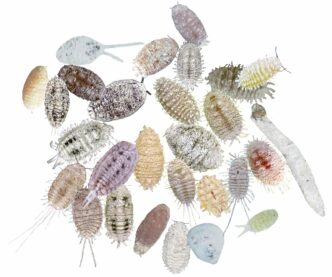
Home gardeners are also seeing increased threats to their landscapes. The special issue features new identification guides for common invaders of backyard plants, including mealybugs, aphids and scale insects. Experts say early detection can save homeowners money on treatments and help prevent the loss of valued shrubs, flowers and fruit trees.
Natural areas are facing similar pressures. One study reports an invasive flatworm now established in forested conservation lands, where it preys on native snails. Another study documents a scale insect infesting endangered Florida orchids. Scientists warn that even small, unexpected arrivals can disrupt fragile ecosystems already under strain.
Across the country, invasive species are costing taxpayers and industries billions of dollars each year. Scientists caution that without stronger early‑warning and rapid‑response systems, those costs will continue to rise, especially in regions like the Southeast, where new species arrive at a steady pace.
New information
The special issue offers a coordinated, science‑based snapshot of what’s invading, where it’s spreading and how we can fight back.
The issue includes a comprehensive inventory of new insects entering Florida, including:
- Identification guides that help professionals and amateurs correctly spot new pests
- Biological studies showing how invasive species interact with crops and wild plants
- Evaluations of natural predators and sustainable control tactics
- Genetic analyses that reveal whether new detections are fresh arrivals or hidden populations expanding
These studies equip scientists, agriculture departments and land managers with the tools needed to respond quickly.
A call to support regional scientific reporting
These studies also show that even as invasive insects pour into the Southeast, the region’s scientific publications on invasions have not increased over the last century.
Put simply, scientists aren’t documenting invasions at the pace they’re happening.
The editors argue that regional scientific journals must be supported, strengthened and used widely because, if a new pest appears in Florida today, Georgia, Alabama and the Carolinas may be dealing with it tomorrow.
“By understanding what’s arriving and how fast it’s spreading, we can better protect our crops, our forests and even the plants in our own backyards,” Ahmed said.
An example is Ahmed’s eight‑year study with colleagues in Florida. This study, A taxonomic key to mealybugs…, produced the first diagnostic framework for 79 Southeastern mealybug species.
Many of these species aren’t in South Carolina yet, but Ahmed said the framework ensures they’ll be recognized the moment they appear.
Tiny creatures, big consequences
This research reveals invasive insects are a constant, growing pressure on landscapes, food systems and natural heritage.
Whether it’s a homeowner planting tomatoes or hibiscus, a grower protecting crops, or a nature enthusiast hiking in a preserve, the effects are already being felt.
The scientists behind this two‑volume effort hope their work can help the Southeastern U.S. stay one step ahead and give communities the knowledge they need to protect their homes.
The studies can be found in Florida Entomologist, Vol. 107, 2024, Special Issue: Invasive Species Records and Updates, and Florida Entomologist, Vol. 108, 2025, Special Issue: Invasive Species Records and Updates.
Ahmed explains more in “Not If, But When: The Growing Need for Invasive‑Species Research in the Southeast U.S.,” published in Entomology Today on Jan. 22.
-END-
Preventing invasive species is the most effective management strategy to use when dealing with this type of pest. Early detection enables rapid responses from stakeholders who can eliminate or control pest infestations, reducing environmental and economic impacts. This requires the awareness, participation and support of everyone in South Carolina.
The Clemson University Department of Plant Industry works with the USDA, APHIS, Clemson Extension, the S.C. Forestry Commission and others to protect South Carolina from biosecurity threats and exotic pest introductions.
Estimated reading time: 5 minutes