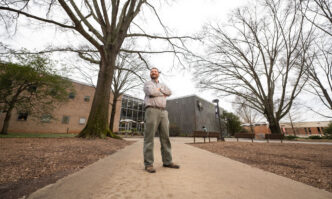
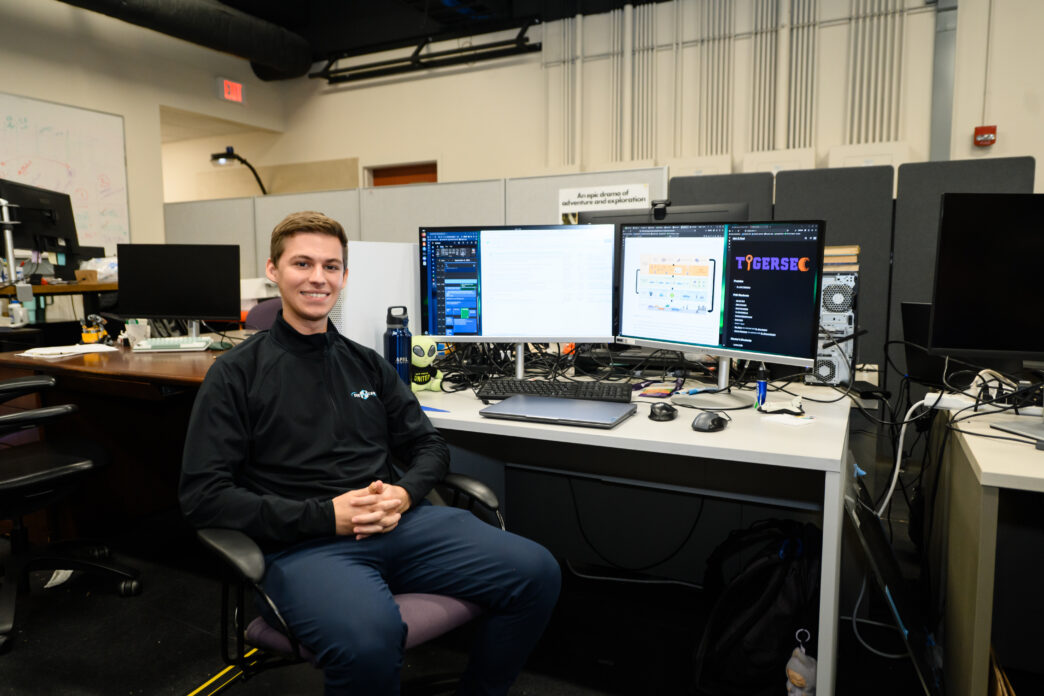
Marcos Sanson of Clemson University is working to make autonomous vehicles safer, smarter and harder to hack as part of one of the nation’s most competitive graduate fellowships in computational science.
Sanson, a first-year Ph.D. student in computer science, is one of 29 students selected for the 2026 Department of Energy Computational Science Graduate Fellowship. The program reviewed 882 applications, putting the acceptance rate at about 3%.
His research is focusing on autonomous systems on the ground, in the air and in space, including cars and off-road vehicles, drones and satellites.
His research will examine the algorithms that control how those systems move and respond to data, along with ways to protect them from cyberattacks.
The incoming class of fellows represents 18 universities, with Clemson listed as a new institution. Sanson joins fellows from Stanford University, the University of Michigan, the Massachusetts Institute of Technology and the University of California, Berkeley, among others.
“My goal is for the software and algorithms I work on to be put into physical vehicles in the real world,” Sanson said. “They could help prevent a cyberattack if someone tries to take control of a vehicle, and more broadly, help make autonomous vehicles safer and better able to serve people.”
The fellowship provides up to four years of support, including a $45,000 annual stipend, full tuition and required fees, and a 12-week research practicum. Sanson said the chance to work with Department of Energy national laboratories could also help shape his career after earning his Ph.D.
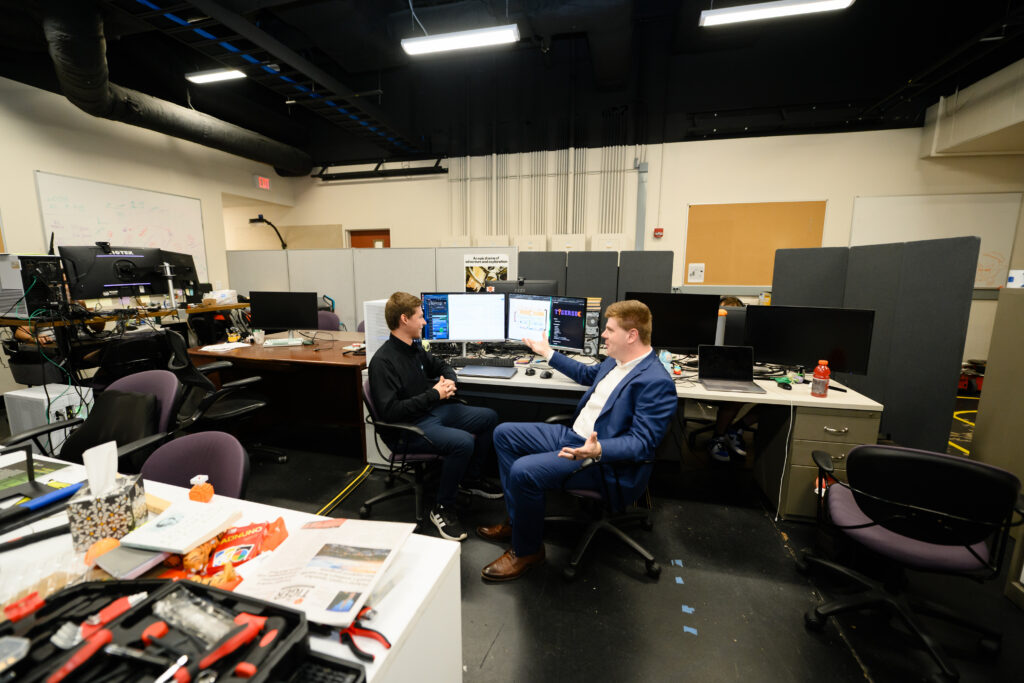
Sanson came to Clemson after searching for universities doing strong work in autonomous systems. Clemson’s automotive and autonomy research caught his attention, along with the work of his advisor, Mert D. Pesé, an assistant professor of computer science.
“Marcos is an outstanding student with the ability and motivation to take on challenging research problems,” Pesé said. “Having a student of his caliber in our group creates opportunities to pursue ambitious work and strengthens the research we are building at Clemson.”