Fire Prevention Week, sponsored by the National Fire Protection Association (NFPA), is set for October 4-10, 2026, with the theme of “Charge into Fire SafetyTM. Safe Charging is a Superpower.” The theme focuses on everyday charging habits that can help reduce the risk of lithium-ion battery fires and keep homes and communities safer.
Most of the electronics in our homes — smartphones, tablets, power and lawn tools, laptops, e-cigarettes, headphones, and toys, to name just a few — are powered by lithium-ion batteries. If not charged properly, they can overheat and start a fire or explode.
Review these tips from the NFPA to ensure you charge your devices safely:
Cheap charger? Don’t chance it.
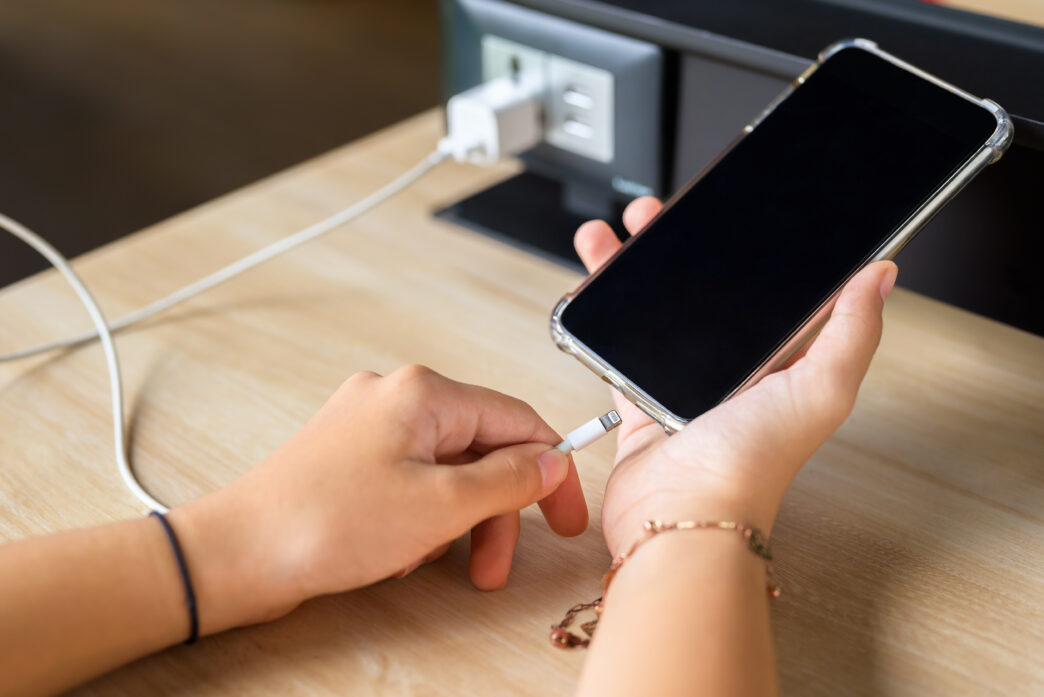
- Use the cord and charger that came with your device or one approved by the manufacturer.
- Using the wrong charger can damage the battery and increase the chance of fire.
- Cheap or off-brand chargers may not meet important safety standards.
Soft surface? Hard pass.
- Charge on a hard, flat surface like a table, desk, or bare floor.
- Devices and chargers create heat during normal charging.
- Soft surfaces like beds, pillows and couches can trap heat and block airflow, which can cause a battery to overheat.
Fully charged? Time to unplug.
- Unplug your device when it is fully charged.
- Leaving a device plugged in can increase heat and stress on the battery.
For tools and rides, charge outside.
- Charge large items like e-bikes, scooters, and power tools outside when possible.
- Reminder to follow University guidelines for e-scooters and other micro-mobility devices.
- Do not block exits when charging.
- These batteries are larger and store more energy.
- Fires can grow quickly if the battery fails.
Feels hot? Stop using it.
- Stop using your device if it feels very hot, starts to swell, smells strange, leaks, smokes, or makes popping or hissing sounds.
- A damaged battery can overheat and start a fire.
On a flight? Keep it in sight.
- When on a plane, keep devices where you can see them while charging.
- Do not charge e-cigarettes or vapes on the plane.
- Tell a flight attendant if you notice a problem with your device.
- If a battery overheats or fails, it is important for the flight crew to be able to respond quickly.
Battery safety starts before you plug in. Buy products listed by a nationally recognized testing laboratory, such as UL, ETL, or CSA. Listed products meet important safety standards.
For more information on battery safety, visit fpw.org or the Battery Safety page on the Clemson University Fire & EMS website.