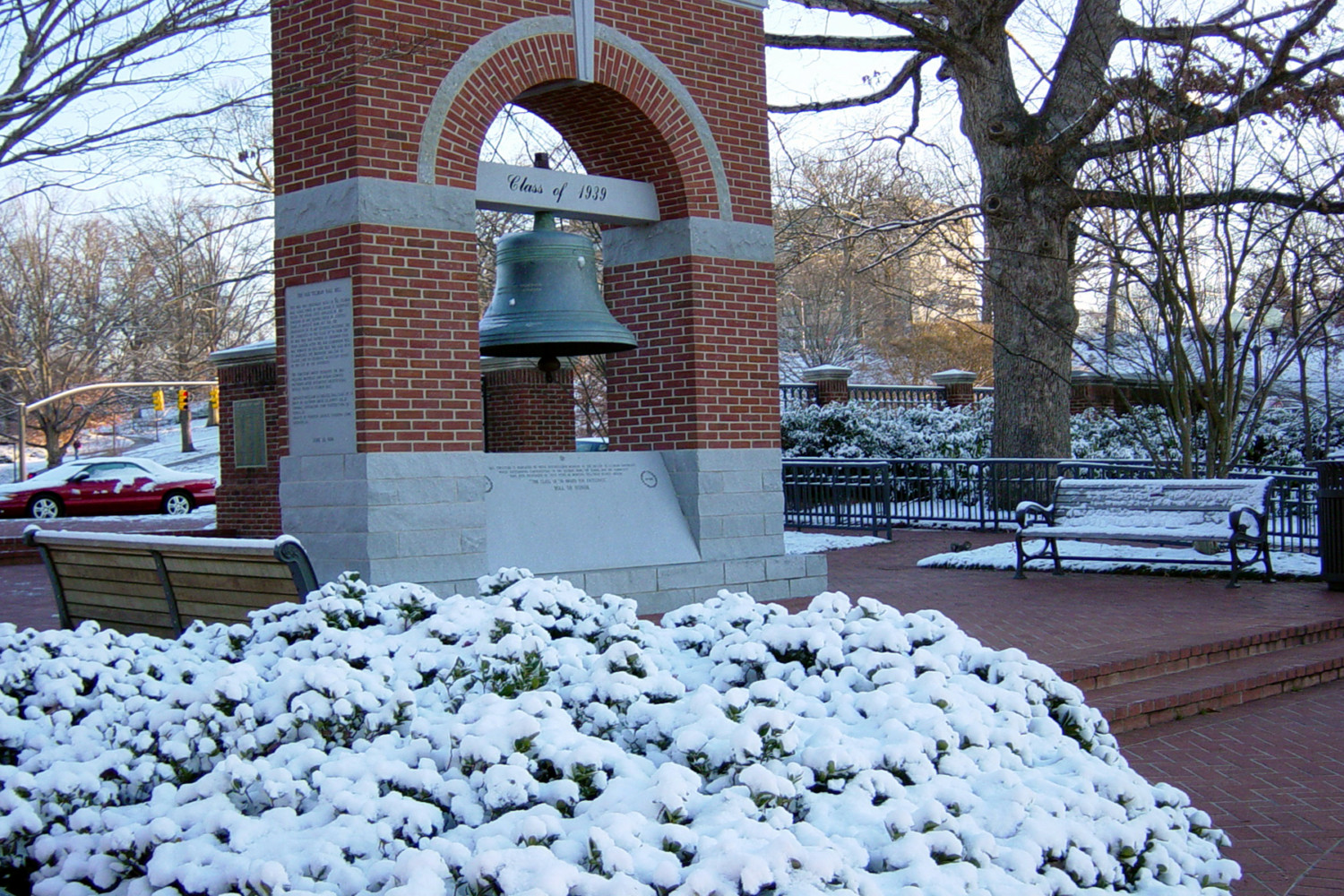
The weather is turning colder, and with that comes the chance for potentially hazardous weather. Faculty and staff should review the guidance below and develop a plan, should a closure occur.
Before potentially hazardous weather
When hazardous weather is in the forecast, Clemson’s Office of Emergency Management closely monitors conditions to determine how weather will impact faculty, staff and students, and University facilities.
During this time, supervisors should inform employees whether they are considered “essential” and whether they are expected to report to work in person in the event of a closure.
Regardless of essential status, state guidelines require all employees to work remotely to the fullest extent possible during a University closure, even if the employee does not regularly work remotely or was scheduled to work from a University location when the office is closed.
If the University closes or delays opening
All employees must work remotely to the extent possible during a closure. The state does not consider this “telecommuting,” and it does not need to be reported on the Remote Work Reporting Form.
Some roles cannot be performed remotely. Supervisors and employees should work together to develop a work arrangement that meets the needs of the current situation. Examples are included below to help supervisors and employees make appropriate plans.
Example 1: Employee Experiences a Power Outage
An employee is scheduled to work in the office, but the University announces it will close the next day due to hazardous weather. The employee brings their laptop home the night before and prepares to work remotely. When they wake up, they discover the storm has caused them to lose power and internet access.
This employee should communicate with their supervisor and determine if there are other tasks they can do without power/internet. Examples include making phone calls, working on documents offline, or responding to emails from their phone.
If the employee cannot work for the full day (or length of closure), they should follow the payroll and timekeeping guidance specific to their employee type.
Example 2: Job Duties Cannot be Performed Remotely
An employee cannot perform their daily job duties remotely, like certain facilities roles or student-facing positions.
This employee and their supervisor should discuss if there are any additional duties they could manage from home. If not, the employee should follow the payroll and timekeeping guidance specific to their employee type.
Example 3: Essential Employee
A supervisor informs their employee that they are an essential employee and must work during an emergency closure.
The supervisor and employee should discuss if their essential designation requires they perform their job duties in-person or remotely. Depending on their determination, they should follow the appropriate payroll and timekeeping guidance to notate the time worked.
Payroll and timekeeping guidance during a closure
Depending on an employee’s essential designation, their FLSA status, their benefits-eligibility, and their specific-work situation, they are required to track their time during a closure differently. Payroll will communicate timekeeping guidance to faculty and staff in the event of a closure.
Hazardous weather leave or “forgiven time”
The Governor has the authority to provide state employees up to five days of leave with pay for absences from work due to hazardous weather (also called “forgiven time”).
If the governor does not grant hazardous weather leave and an employee did not work, they must make up the missed time. Employees may:
- Use annual leave
- Take leave without pay
- Make up time through flexed schedules
If the University does not close
In some cases, the University may remain open, but weather prevents an employee from reporting to the office as required. In this case, employees and supervisors should work together to determine if the employee can temporarily work remotely.
If the employee works remotely when they are scheduled to be in the office, they must report it using the Remote Work Reporting Form.
Employees who cannot report to work or perform their job duties remotely must take leave or use leave without pay, according to University leave policies.
Additional Resources
The Office of Human Resources’ Work during Hazardous Weather webpage contains guidance for employees and supervisors related to hazardous weather.
Additional questions? Ask-HR.