
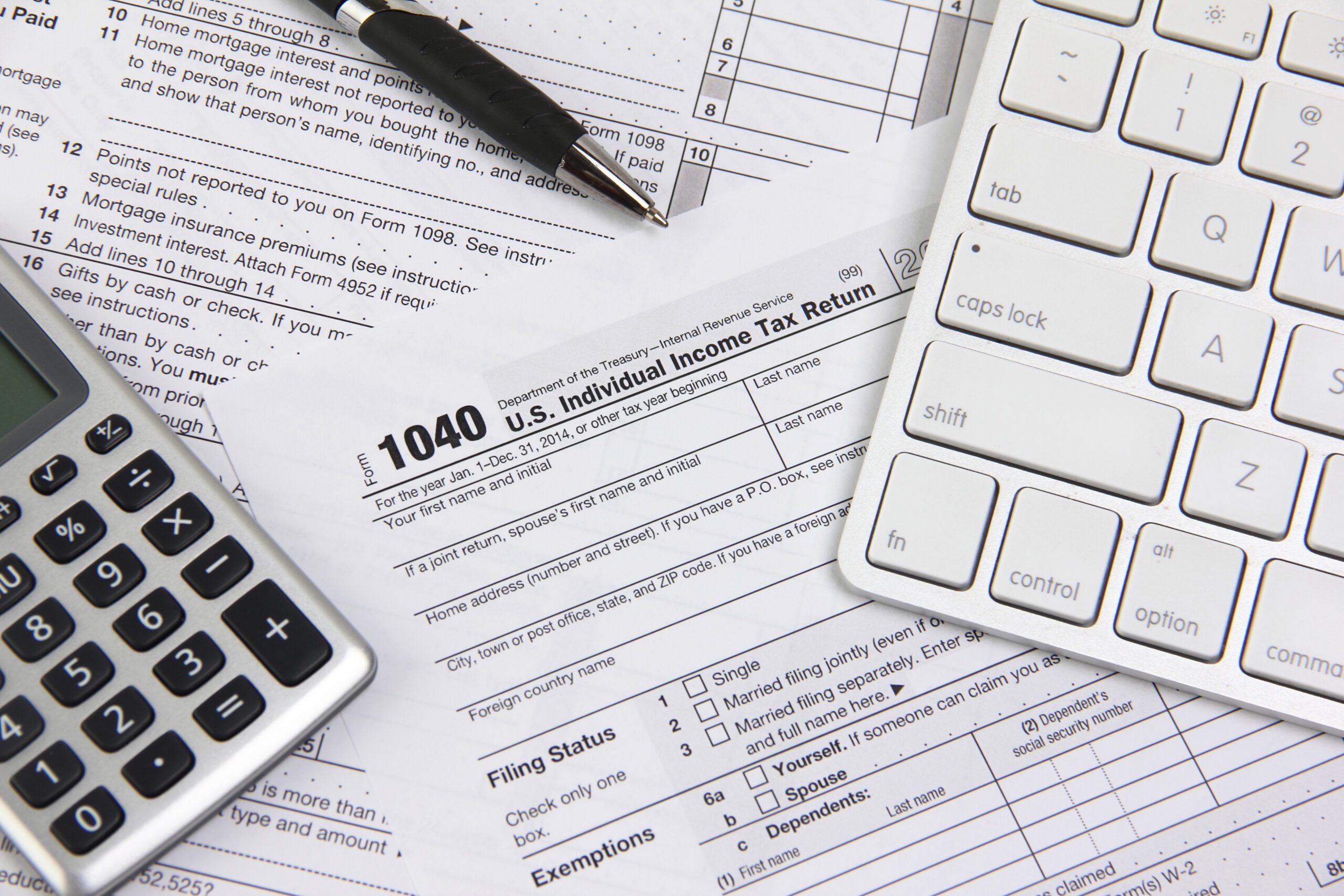
The April 15 tax deadline is approaching, and this tax season, many Americans can expect changes to their tax returns due to the newly enacted legislation.
Ryan Polk, an assistant professor of accountancy at Clemson and a certified public accountant in South Carolina and Virginia, notes these changes affect nearly every taxpayer and result in lower tax bills for many Americans. Key changes include a higher standard deduction, an expanded child tax credit, an increased cap on state and local tax deductions and a new $6,000 deduction for seniors.
With tax season in full swing, Polk breaks down the importance of tax preparation and how this differs from previous years.
What’s different about tax season this year?
“First, the standard deduction will see a small increase each year due to inflation. For families, the child tax credit will increase from $2,000 to $2,200 per child.
For individuals itemizing their deductions, the cap on state and local taxes was $10,000. That’s now increased to $40,000. Senior citizens will see an additional $6,000 deduction, which they qualify for now under the One Big Beautiful Bill.
In addition, tipped employees (bartenders, taxi drivers, waiters, etc.) can now deduct some, if not all, of their tips from their federal taxable income. For those with hourly wages, overtime is also deductible, as is the overtime premium.
All these things combined will create a lower tax bill for many people this year than in the past.”
How big is the child tax increase?
“The $200 increase per child is going to be a big deal, especially given the inflation we’ve seen in the post-COVID era. So, families will be able to use that increase to help balance their budgets.”
What about the senior deduction?
“That $6,000 deduction is going to be real cash back in the pockets of senior citizens. Let’s say they’re operating on a usual 15 percent effective tax rate. That means they’ll see a $900 cash infusion from this new deduction.”
What is defined as income?
“Income is generally defined as a cash inflow from work that you perform. That’s where we’re going to start. Working a job, receiving wages, earning interest income from a bank or even selling stocks is considered income. “
“Gifts or inheritance are not considered taxable events or reportable income. But there are going to be some important tax filings for the person giving the gift — if it’s over the threshold of $19,000 — or somebody who’s finalizing the estate and filing a final tax return for the deceased taxpayer.”
What’s the most important thing to focus on at tax time?
“The most important thing at tax time is to make sure you have all your documents. Just because you have some of them doesn’t mean you have all of them. The first thing you might check is your tax return from last year. From a document’s perspective, it’s likely that every single line you had last year, you’re probably going to have this year. “
“It’s making sure that, if you look through any credit card or bank statements, you’ve claimed every deduction you’re entitled to. The next thing is, especially with the new deductions for tipped employees and folks working overtime, to look at your pay stub. Or for some employees, there might be a line on their W-2 that shows their tips or their overtime premium.”