Inspired by Barcelona
Dear Faculty, Staff, Alumni and Friends,
Welcome back to the new academic year. In addition to a new Provost, Cole Smith, we also now have a new President, Benjamin C. Ayers. I am excited to see how these fresh eyes and minds will impact the vision and direction of the academic enterprise. So far, I have been delighted at the ways in which they have emphasized the importance of education and the centrality of the Arts and Humanities for a great university.
This summer, I had the privilege of spending a few days in Barcelona. That experience made me think about Clemson and higher education in general in the United States currently. Walking down the streets of that magnificent city, one is immediately struck by the layer upon layer of history conveyed by the many different and diverse structures built by the peoples who lived there, inspired as they were by the climate, the clear skies, the deep blue of the Mediterranean, the vibrant flora and foliage. The Romans, the Moors and North Africans, the Catholic Church, the Spanish, the Catalonians, they all left their mark on the urban landscape.
Perhaps no single person had a greater impact on the cityscape than the uniquely gifted architect, Antoni Gaudi (1852-1926). His fantastical re-imagination of what a cathedral can be, Sagrada Familia (sacred family), is only the most prominent of his many buildings which grace Barcelona, all of them a testament to his distinctively whimsical, convention-defying architectural style. But I don’t want to write about Gaudi, rather those who decided to believe in him, to support his vision, not just emotionally but with hard cash.

Investing in Gaudi was a pure leap of faith, not supported or supportable by any data or metrics, because Gaudi imagined something that had never been before, and what he imagined was wildly irreverent and yet profoundly reverential. What kind of people would invest in someone like that? To do so was an act of faith, sacrifice and long-term thinking. Sagrada Familia is still not finished. Indeed, none of the great cathedrals of Europe were built in a single lifetime.

We live in an age obsessed with benchmarks, data, metrics, quarterly reports, and the short-term thinking that accompanies such things. Data and metrics help us understand where we are, how we compare, and provide a basis for hopefully sound decisions that will impact people’s employment and ability to sustain their lives. Quarterly reports periodically assess a business and provide the rationale for continuation or correction.
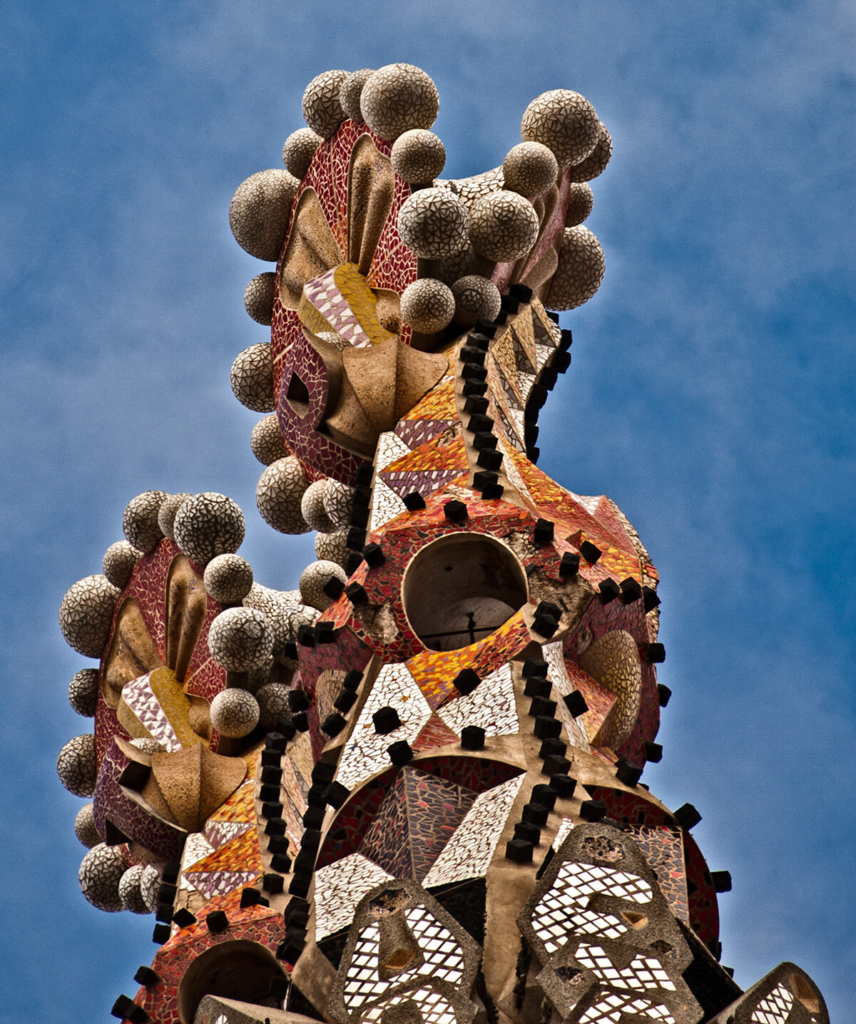
However, that which is great and beautiful in our civilization is a manifestation of the barely imaginable: this is the realm of the arts and humanities. Human beings dream and create. No other creature does this. We must nurture and encourage this quality, unique to our species. A liberal arts education fosters and unleashes these powers.

There is certainly a place for benchmarking and data and metrics and quarterly reports. Our society depends on them. But the magnificent, the deeply moving, the lasting are the products of dreams, imagination, creativity, sacrifice, long-term thinking and, yes, leaps of faith.
Go Tigers!
Nicholas Vazsonyi
Dean