Steph Dean has a strong hunch that when a science teacher sees themselves as equal parts scientist and educator, everyone in a school benefits.
Dean, an assistant professor in the College of Education, is leading faculty researchers from multiple colleges at Clemson University on a project to cultivate more scientist-educators who can build bridges between their classrooms and nature. The team includes faculty from the College of Science and the College of Agriculture, Forestry and Life Sciences. Brooke Whitworth, professor of science education at the University of South Carolina, serves as co-principal investigator on the project.
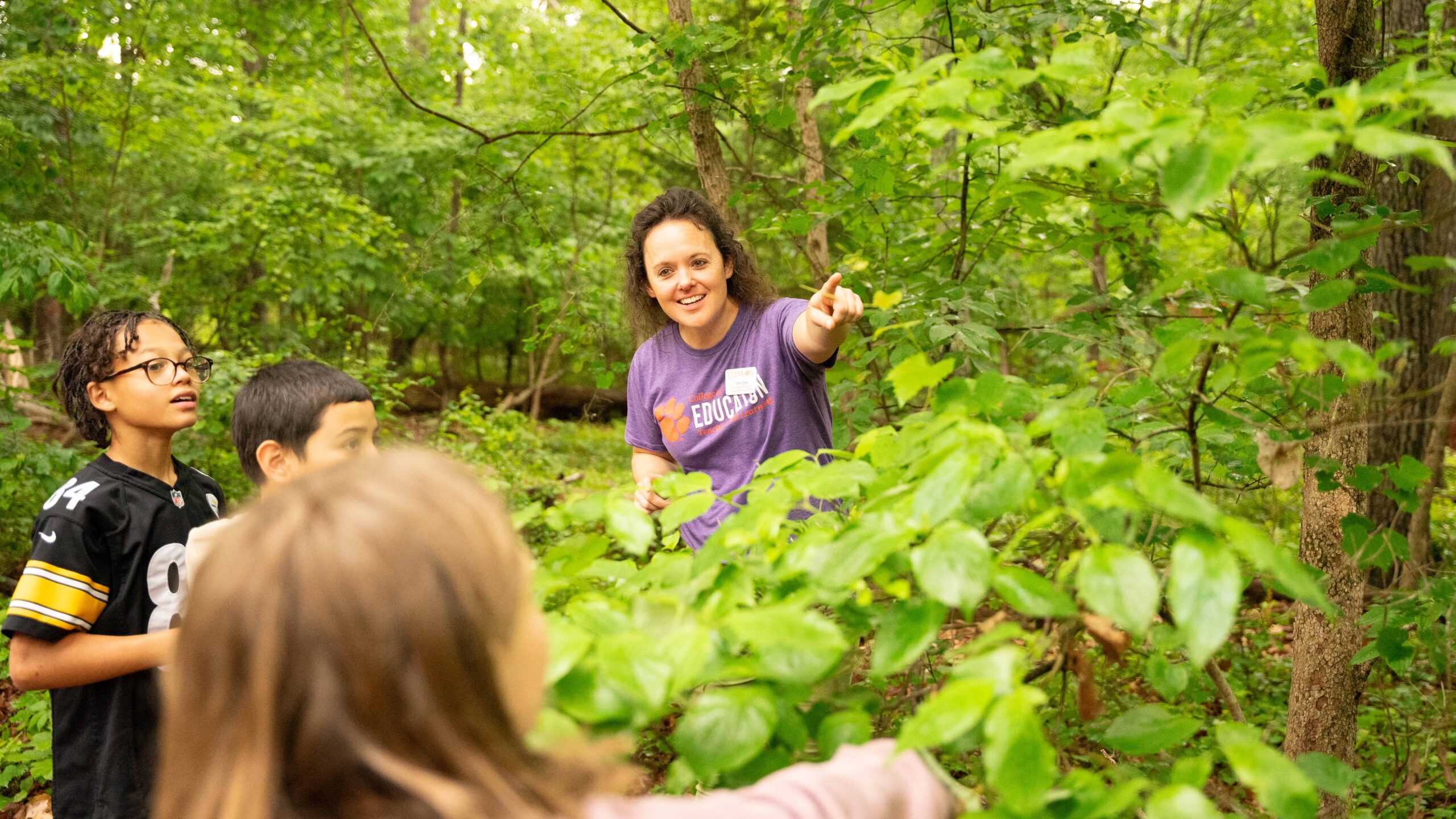
The research team recently received funding from the National Science Foundation for its South Carolina Outdoors for Understanding the Teaching of Science (SCOUTS) project, which pairs current science teachers with professional scientists to create more authentic science experiences for students. According to Dean, the project will help teachers put down books and step away from labs to take advantage of largely unused science classrooms throughout the state — those found right outside of school buildings, along hiking trails, on lakes and in streams.
“Our state is a laboratory that affords so many learning opportunities; we have incredible ecosystems, geography and culture all around us,” Dean said. “We are going to encourage authentic scientific inquiry and teacher curiosity among educators, and they will then bring those same lessons to every student they interact with for years to come.”

Over two years, researchers will structure experiences focusing on freshwater ecology for teachers recruited for the project. Teachers will work with faculty from the College of Science and the College of Agriculture, Forestry and Life Sciences to design and implement projects and translate research into classroom lessons aligned with Next Generation Science Standards (NGSS).
The program includes summer institutes, ongoing research and professional development. Teachers will develop research questions, conduct investigations and learn to incorporate citizen science projects with results that add to real, existing scientific research or databases.
“It’s a simple idea: give teachers the experience of being scientists so they can give their students the experience of being scientists,” Dean said. “We want them to be authentic and ask real questions and then find the answers. What are they wondering? How healthy is this stream? Who or what lives here?”
Teachers are going to learn to get their hands dirty and their feet wet in streams, and they’ll learn from Althea Hagan, associate professor of ecology and education in the Department of Forestry and Environmental Conservation; and Cassandra May, senior lecturer in the Department of Biological Sciences. The project’s first two summers include a two-week learning experience, as well as additional workshops spaced over two years.
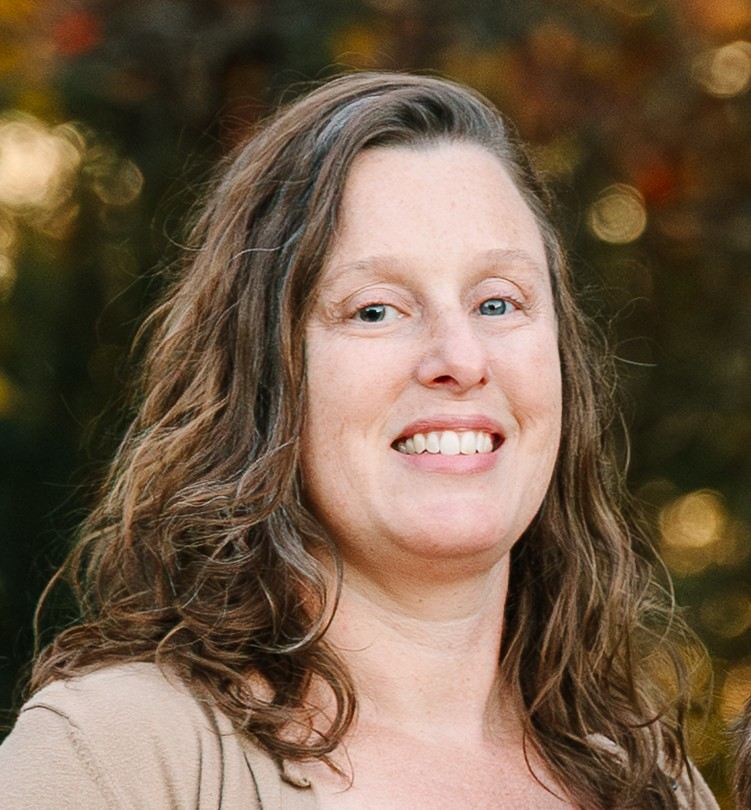
Hagan and May will work alongside teachers at various locations on Clemson’s campus or at nearby local locations with creeks and lakes. They will guide teacher participants through active research centered on the health of the Upstate’s watershed, incorporating Adopt-a-Stream and Stream Monitoring citizen science projects to contribute to the broader scientific community.
Hagan will work with teachers directly in the field during summer trips to campus. She said many teachers know exactly what they are doing in the classroom, but they might not have the content-level expertise or comfort in outdoor environments to bring students outside. She believes that, with all the challenges society faces around sustainability, it is becoming increasingly important for teachers to step out of their comfort zones and lead students in discovering the natural world.
“I love getting people outside and getting their feet wet in streams,” Hagan said. “Stream corridors are underappreciated natural areas used by all kinds of wildlife and are readily available as study areas for bringing students to collect qualitative and quantitative data.”
May, whose expertise is in freshwater ecology, will mentor teachers on their research projects. She said she looks forward to learning more about the teacher participants, including their drive to improve curriculum, the barriers they face in classrooms and why they seek more opportunities for outdoor learning. She looks forward to working with the teacher cohorts to create meaningful research projects that they can then translate to their classrooms.
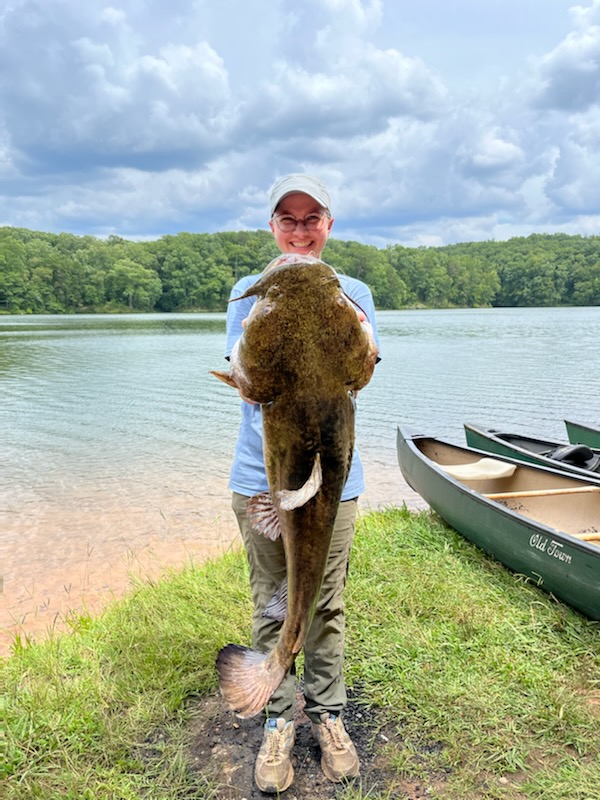
“As an educator and ecologist, I personally place a high value on getting students out in nature, asking questions and collecting data,” May said. “Educators can make science relevant and memorable for their students through authentic outdoor research experiences. I am excited to be a part of a group that can make outdoor research experiences more accessible to our South Carolina teachers and students.”
Dean is excited about the research project and proud that it has come from years of work at Clemson in the College of Education and among faculty across the University. Dean, Hagan and May are all involved in the Clemson Outdoor Collective, which was formed in Spring 2024 to bring together Clemson faculty and staff who value outdoor experiences in learning and wellness to discuss work, connect on shared interests and explore future possibilities. Since that initial meeting, the Collective has grown to include other Clemson scholars and practitioners representing a variety of colleges and departments across campus.
“This research and these connections wouldn’t have been possible without everyone involved in the Clemson Outdoor Collective,” Dean said. “The ideas and work from many people from all over the University have informed this work and, I think, will make it a great success with teachers. It is exciting to think about how that will then positively affect students and their attitudes toward science for years to come.”
Dean and the research team will spend the first year of the project designing the inaugural summer institute, which they will hold in summer 2027. Teacher recruitment will also take place during this time. Educators or districts interested in the program are invited to reach out to Dean directly at sndean@clemson.edu.