As consumer demand for organic food continues to rise, Clemson University is helping South Carolina farmers capitalize on one of agriculture’s fastest-growing markets by equipping producers with the knowledge, technical support and financial resources needed to create certified organic operations and succeed in business.
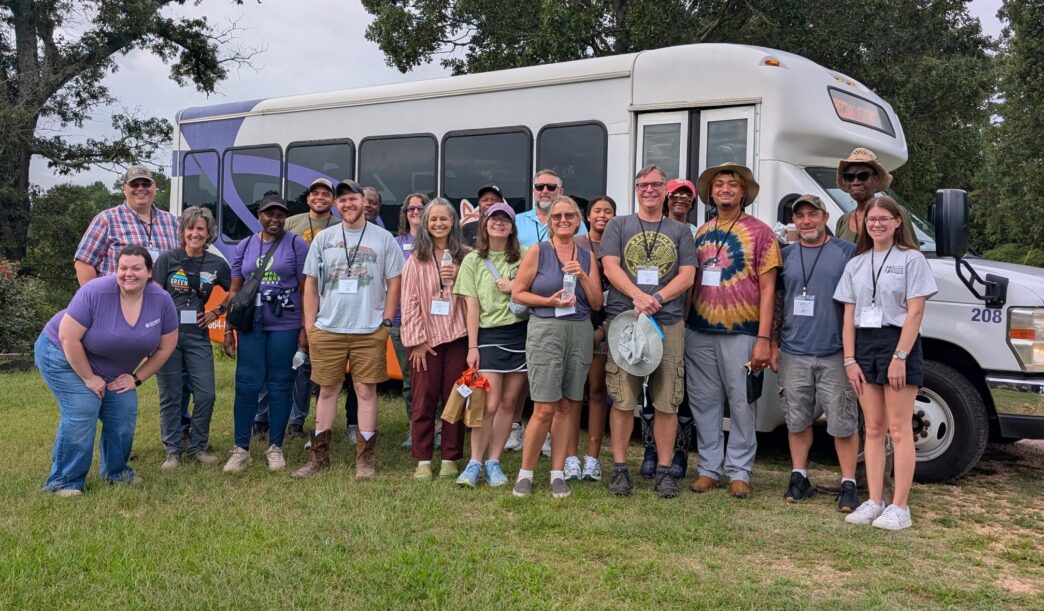
That mission was on full display during Clemson’s two-day Organic Certification Essentials workshop, where commercial producers, beginning farmers, Extension professionals and backyard growers from across the Southeast gathered at the Madren Conference Center and Inn to learn what it takes to earn and maintain the USDA organic seal. Through classroom instruction, farm tours and hands-on discussions with certification specialists, participants discovered that organic certification is less about paperwork and more about building resilient, profitable farms.
Hosted by Clemson’s Organic Certification Program within Regulatory Services’ Department of Plant Industry, the program, accredited by the USDA National Organic Program since 2002, provides certification for crops, livestock, processing and handling, and wild-harvest operations.
“Clemson intentionally keeps certification costs affordable to reduce barriers for farmers transitioning to organic production while providing third-party verification that builds consumer confidence and expands market opportunities.”
Gavin Berry, Certification Programs Manager for Clemson Regulatory Services
A growing opportunity
The workshop comes as organic agriculture continues to expand nationwide.
According to the USDA’s 2022 Census of Agriculture, U.S. farms reported $9.6 billion in certified or exempt organic sales, a 32% increase from 2017. More than 17,000 certified organic farms generated those sales, demonstrating continued demand for organic products despite broader challenges facing agriculture.
South Carolina remains a relatively small player in the organic marketplace, but its industry is growing. The 2022 Census of Agriculture reported 59 farms with certified or exempt organic sales totaling nearly $30 million, compared to $18.8 million five years earlier. The state also counted 76 certified organic farms and 15 farms transitioning to organic production, suggesting additional growth is on the horizon.
For Clemson, those numbers represent opportunity.
Instructors attempted to take the mystery out of organic certification as they guided participants through every stage of the certification process, from completing an Organic System Plan and preparing for inspections to maintaining certification year after year.
Learning beyond the classroom
Participants toured Greenfield Organic Farm in Oconee County and Mushroom Mountain’s MycoMatrix facility, where they observed organic production systems, recordkeeping practices and inspection preparation firsthand. Back on campus, breakout sessions covered topics ranging from livestock production and soil health to weed management, food safety, marketing and identifying opportunities in the organic marketplace.
But the conversations extended beyond how to grow organically.

Clemson certification specialists walked attendees through the review process, inspections, compliance decisions and annual recertification requirements using real-world examples that illustrated how certification decisions are made under USDA National Organic Program regulations.
Participants learned that receiving a notice of noncompliance is often part of the learning process and not an indication that certification has failed. Clemson staff explained how producers can resolve documentation issues, develop corrective action plans and maintain the records needed to demonstrate compliance with federal standards.
Throughout the session, instructors stressed the importance of communication, encouraging farmers to contact their certifier whenever questions arise rather than allowing small issues to become larger problems.
Connecting growers with opportunity
The workshop also highlighted another critical piece of Clemson’s approach: connecting farmers with the resources they need to build successful businesses.
Representatives from the Carolina Farm Stewardship Association (CFSA) and the Rodale Institute introduced participants to new USDA-funded Advancing Markets for Producers (AMP) programs that can provide substantial financial assistance for conservation practices, high tunnels, irrigation systems, specialized equipment, marketing improvements and transitioning to organic production.
In addition to financial assistance, participants learned about one-on-one technical assistance available through CFSA, including production planning, pest management, conservation planning, food safety, market development and certification preparation. The organizations emphasized that successful organic farming depends on more than meeting certification standards—it also requires sound business planning and access to trusted advisors.
The workshop also explored the policy landscape affecting organic agriculture. CFSA policy staff discussed how federal Farm Bill decisions influence organic research, conservation funding, certification cost-share programs and market development, encouraging producers to remain engaged as Congress considers future investments in organic agriculture.
Experience speaks loudest
For Brian Marshall of Greenfield Organic Farm, Clemson’s support has been instrumental throughout his 11 years as a certified organic producer.
Greenfield is a 72-acre organic farm in Oconee County, South Carolina, that includes 30 acres of pasture for cattle, 4,000 feet of irrigation and a high-tunnel growing system focusing production on tomatoes, blueberries and lettuce.
Marshall remembers entering the certification process with little more than stories about how difficult it would be.
Instead, he found Clemson staff who were willing to answer questions, explain regulations and guide him through each step.
“It was essential,” Marshall said. “They’ve been very helpful, constantly supportive and willing to expose us to the resources they had available.”
He credits Clemson with helping remove the uncertainty surrounding certification while encouraging him to become a lifelong student of organic agriculture.
“You take away that mystery of what it means to be certified,” Marshall said. “It’s good work because you’re getting to be a steward of your craft.”
Growing more than farms
The workshop’s impact reached beyond commercial agriculture.
Paul Nuesslein traveled from Atlanta not to start a farming business, but to become a better grower and donate more fresh produce through community food organizations.
“I consider myself an enthusiastic grower,” Nuesslein said. “My goal is to be able to learn techniques so I can give people food. I’m trying to up my game so that I can produce food and donate my excess to food banks.”
Specifically, Nuesslein hopes to donate his excess food to Atlanta-based organization called Concrete Jungle, which tries to ensure food-insecure Georgians who don’t have access to fresh produce get to experience the benefits of healthy, local, and delicious fruits and vegetables from farmers and partner organizations.
After two days of instruction, he left with a greater appreciation for the work required to produce certified organic food.
“I’ve actually learned quite a bit,” he said. “I will never see organic eggs as being overpriced in the future.”