What holds plastic together?
With plastics so common in everyday life, it would seem to be a question that has been long resolved.
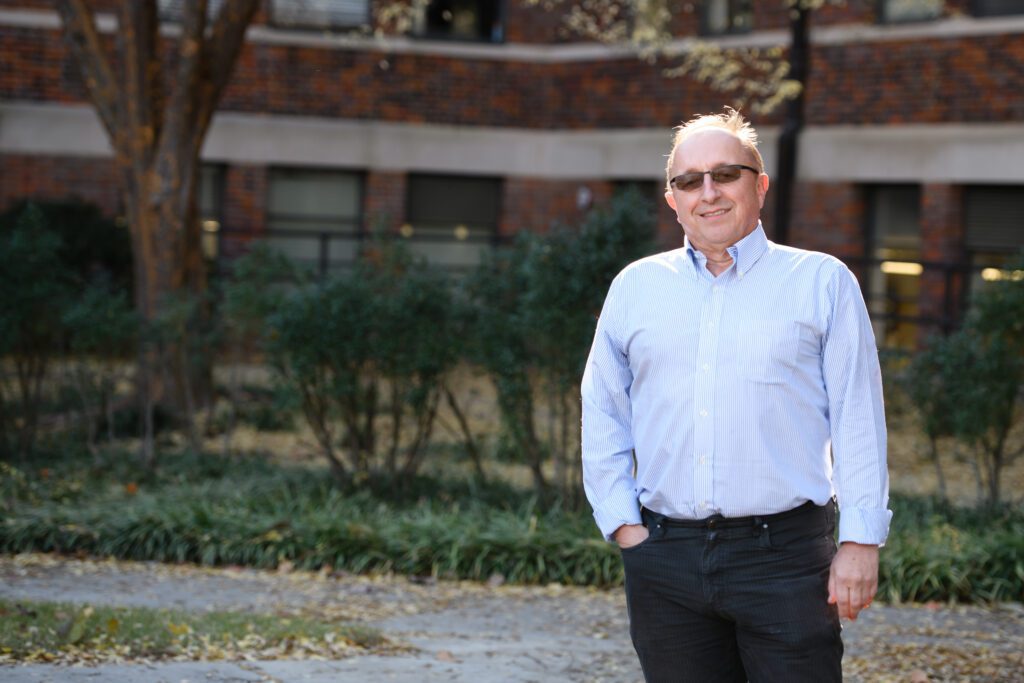
But not so, said Marek Urban, the J.E. Sirrine Foundation Endowed Chair and Professor in Clemson University’s Department of Materials Science and Engineering.
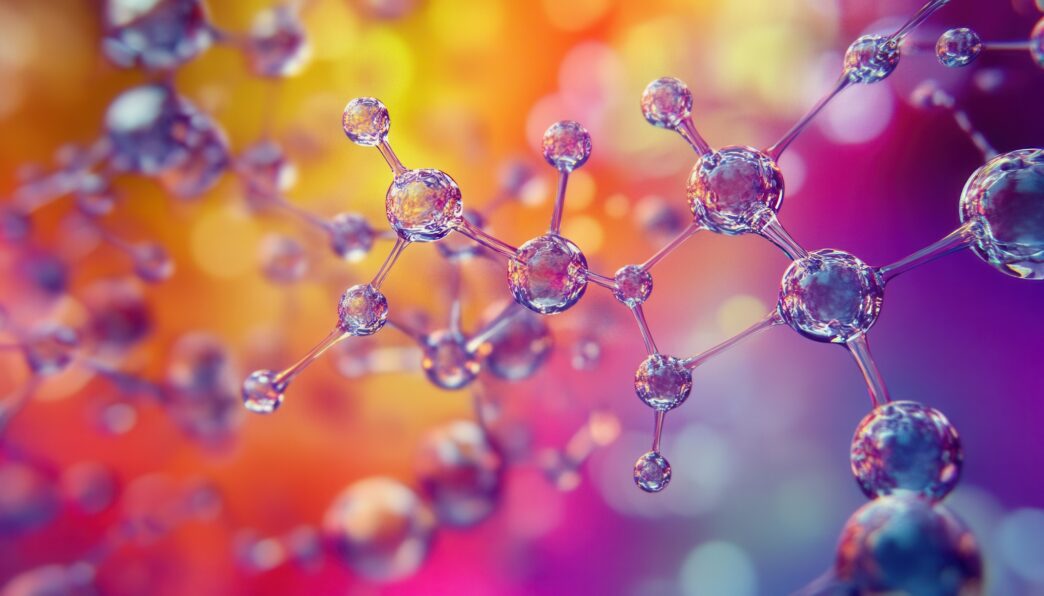
He and his team have started to uncover what happens at a molecular level. It turns out thermoplastics are held together by tiny forces between macromolecules. Each force is weak, but there are billions or trillions of them, and they work together.
The team described its findings in a recent issue of the journal Angewandte Chemie International Edition. Co-authors included research assistant professor Wali Ullah and postdoctoral fellow Jiahui Liu, both members of Urban’s research team.
It was the latest advance for Urban and his team, who have carved out a reputation as global leaders in creating specialized polymers that can heal themselves like skin and store and conduct electricity.
The technology has potential applications that range from creating self-repairing hoses for pumping hydrogen to developing polyelectrolytes for more durable batteries.
While Urban and his team have been working with self-healing materials for years, the new paper was the most in-depth explanation yet of how and why the materials heal themselves. The answer comes down to dipolar, ionic and van der Waals forces, the team found.
But learning more about what holds plastic together was only part of the study.
The team also showed how the tiny forces inside a poly(ionic liquid), or PIL, work together in just the right balance to allow the material to repair itself while still moving and holding charge. That is crucial to creating materials that conduct and store electricity.
“If you combine self-healing properties with PILs, you get a powerhouse, and that is our recent focus,” Urban said. “We’ve received a lot of interest because this represents a completely new concept in self-healing and energy storage. They are often independent, but both are critical in their own right.”
Combining self-healing with PILs creates a powerful platform for developing longer-lasting, more sustainable technologies, Urban said.
Kyle Brinkman, chair of Clemson’s Department of Materials Science and Engineering, said Urban continues to be a driving force in advanced materials.
“His work helps position Clemson at the forefront of innovations that support cleaner energy, longer-lasting technologies and more sustainable solutions,” Brinkman said. “Discoveries like this show how research can open doors to entirely new possibilities for industry and society.”
Researchers described their findings in a paper titled, “Competing Dipolar and van der Waals Forces in Dynamic Self-Healing of Poly(Ionic Liquid) Copolymers.“