COLUMBIA, S.C. — Clemson University Livestock-Poultry Health (CULPH) officials are closely monitoring a multi-state outbreak of Equine Herpes Virus (EHV-1) and its neurologic form, Equine Herpes Myeloencephalopathy (EHM), linked to barrel racing and rodeo-type events in Texas and Oklahoma. Currently, there are no confirmed cases in South Carolina, but the highly contagious nature of the virus in horses and other equids warrants heightened vigilance and updated movement safeguards.
At least 27 cases of EHM associated with the Women’s Professional Rodeo Association World Championship Barrel Racing in Waco, Texas, are confirmed. There is a case of EHM reported in Maryland that is not associated with the Waco, Texas, outbreak.
“While there is no known risk to human health, EHV-1 and EHM can spread rapidly among equids and may result in severe illness, death, or the need for euthanasia,” CULPH officials said. “We received a list of South Carolina horses from the affected states and have worked with the owners of these horses that attended the event and have a 21-day isolation and monitoring period for their animals at their farms. None of the animals from South Carolina that attended the event have clinical signs of illness.”
Updated South Carolina import requirements during the outbreak
During this outbreak, South Carolina is implementing enhanced import safeguards for equines entering the state:
- Equines are not eligible for importation into South Carolina if they may have been exposed to EHV-1 within 21 days before inspection or are exhibiting clinical signs consistent with EHV-1 or EHM.
- Extended Equine Certificates of Veterinary Inspection (EECVIs) are currently suspended and are not accepted for horses entering South Carolina during this period.
- Veterinarians examining out-of-state horses for entry must include the following statement on the Certificate of Veterinary Inspection (CVI): “The equine(s) listed on the CVI have not originated from a premises currently quarantined or exposed to EHV-1 in the last 21 days.”
- Horse owners and veterinarians are also advised to verify any additional restrictions in destination states before travel, as movement requirements can change rapidly during a multi-state outbreak.
Clinical signs of Equine Herpes Virus (EHV-1) include:
- Fever (often the earliest sign)
- Respiratory disease, especially in young horses
- Fever with coughing and clear to thick yellow nasal discharge
- Abortion, most commonly late-term (over 8 months), but possible as early as 4 months without warning
Clinical signs of Equine Herpes Myeloencephalopathy (EHM) include:
- Hind-end weakness or incoordination
- Leaning on walls/fences for balance
- Urine dribbling or inability to urinate
- Down and unable to stand
Horses typically show signs four to six days after exposure, though onset may be as short as 24 hours. Neurologic disease, when it occurs, generally begins eight to twelve days after the fever starts.
Guidance for South Carolina horse owners
EHV can be shed for extended periods, including by horses that appear healthy and healthy-looking. This increases the potential for continued spread at events.
CULPH urges owners to monitor animals closely, particularly if they have traveled to Texas, Oklahoma, or large commingling equine events where exposure may have occurred.
Owners should contact CULPH directly at 803-788-2260 if their horses traveled to affected events or states. CULPH will provide individualized guidance on monitoring and isolation.
Equine event organizers should consult with their veterinarians to understand the risks associated with hosting equine events during this outbreak. Postponement or cancellation may be necessary to limit the spread of the disease. If events proceed, CULPH recommends:
- Health certificates issued within 72 hours of travel
- Enhanced on-site biosecurity practices
Horse owners should consult with their veterinarians to assess travel risks and prioritize strict biosecurity measures. Because EHV is widespread in equine environments, prevention depends heavily on limiting exposure and maintaining hygiene around horses, equipment, and transport.
Veterinarians who encounter horses with acute neurologic disease are asked to contact CULPH at 803-788-2260 for consultation on isolation and testing.
About Equine Herpesvirus (EHV-1)
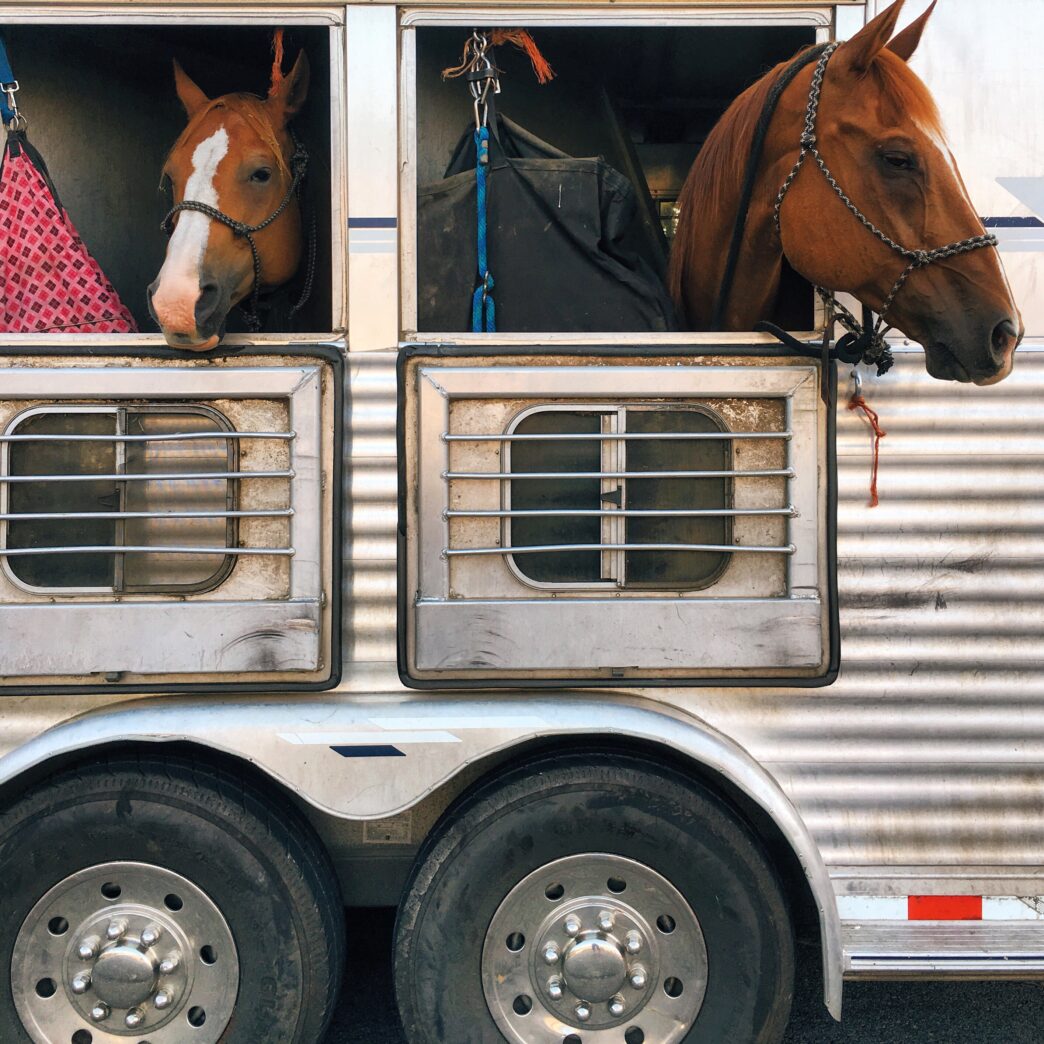
EHV-1 spreads through direct contact with nasal discharge, aerosol droplets, and contaminated surfaces like stalls, water buckets, tack, trailers, and transport vehicles. Horses may carry and shed the virus without showing symptoms. People can also transmit the virus via contaminated hands and clothing, making cleaning and disinfection essential.
Owners should practice strong biosecurity, including routine disinfection of equipment and restricted movement between horses, especially when illness is suspected.