
Historic Properties is hosting a series of Clemson History Week events from March 30 to April 1. The three-day series of events will explore the stories, people and traditions that shaped Clemson University. All programs are free and open to the public.
Clemson History Week: Clemson Women Panel
Monday, March 30
11:30 a.m. – 12:30 p.m.
A special panel hosted by Dr. Rhondda Thomas and Sally Mauldin discussing the roles of the Clemson/Calhoun women, followed by a short women’s history tour of Fort Hill.
Clemson History Week: Fort Hill Art Collection Tour
Monday, March 30
1 p.m.
A guided tour at Fort Hill highlighting the impressive art collection of Thomas Green Clemson.
Clemson History Week: The Clemsons and the Music of Their Times
Tuesday, March 31
1:30 p.m.
A special program looking at 19th-century music in South Carolina with live performances by faculty, students, and staff. The event takes place at the Nieri Family Alumni and Visitors Center.
Clemson History Week: Hidden Correspondence
Tuesday, March 31
3 p.m.
A special program that investigates hidden history – from a traveling trunk to a display cabinet, Dr. Brantly Moore will discuss secrets and hidden compartments from 19th-century objects. Location: Osher Lifelong Learning Institute (OLLI).
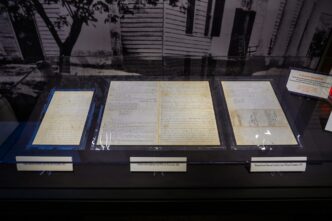
Clemson History Week: Thomas Green Clemson’s Will Viewing
Wednesday, April 1
9 a.m. to 3 p.m.
Drop in at Archives and Special Collections throughout the day to view the original will of Thomas Green Clemson, setting in motion a gift that created Clemson University. Hear from the Libraries staff on the steps taken to bring the document home and preserve it.
Clemson History Week: Military Heritage Tour
Wednesday, April 1
11 a.m. to noon
Walk the grounds of the Scroll of Honor and learn about the Clemson men and women who answered the call to serve and the lasting mark they left on the University.
Clemson History Week: Founder’s Day Event
Wednesday, April 1
1 p.m.
Founders Day at St. Paul’s Church in Pendleton will celebrate the founding of Clemson, telling the story of the Clemson and Calhoun families and the enslaved individuals who worked on Fort Hill Plantation.