Two labs separated by nearly 4,500 miles — one at Clemson University and the other in Brazil — have joined forces to fight a toxic fungus that can kill vulnerable patients but can also poison itself.
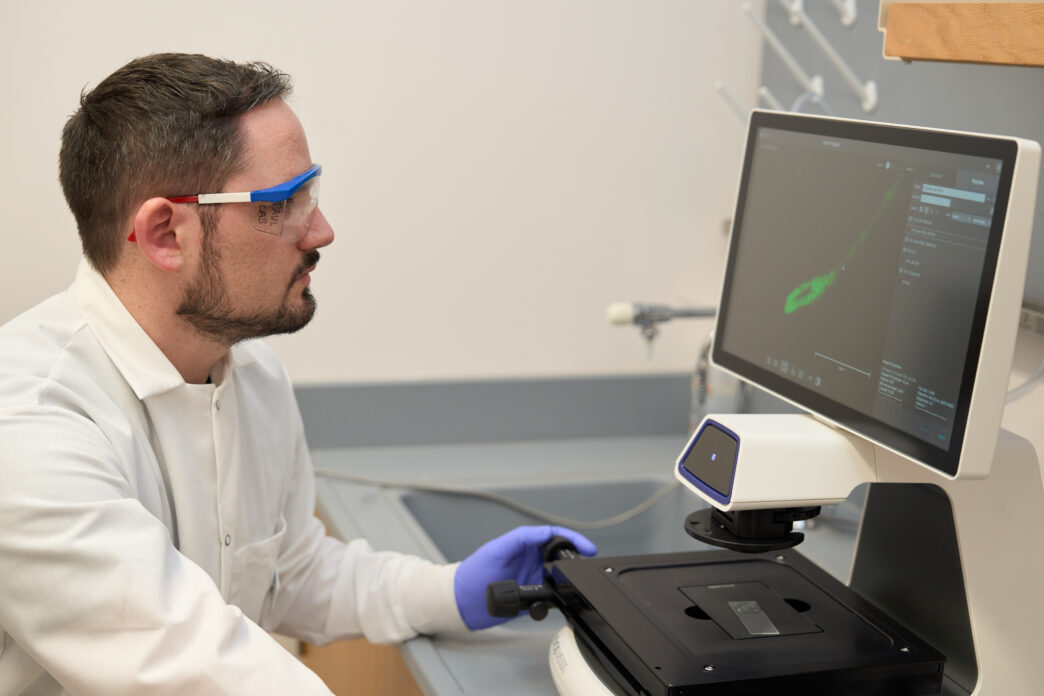
Stephen Dolan, an assistant professor in the Clemson Department of Genetics and Biochemistry, is working to understand how dangerous fungi survive their own poisons and how that could be turned into a new antifungal drug. Partnering with molecular biologist Gustavo Goldman at the University of São Paulo in Brazil, Dolan is focused on Aspergillus fumigatus, a common mold that can cause life-threatening lung infections in people with weakened immune systems.
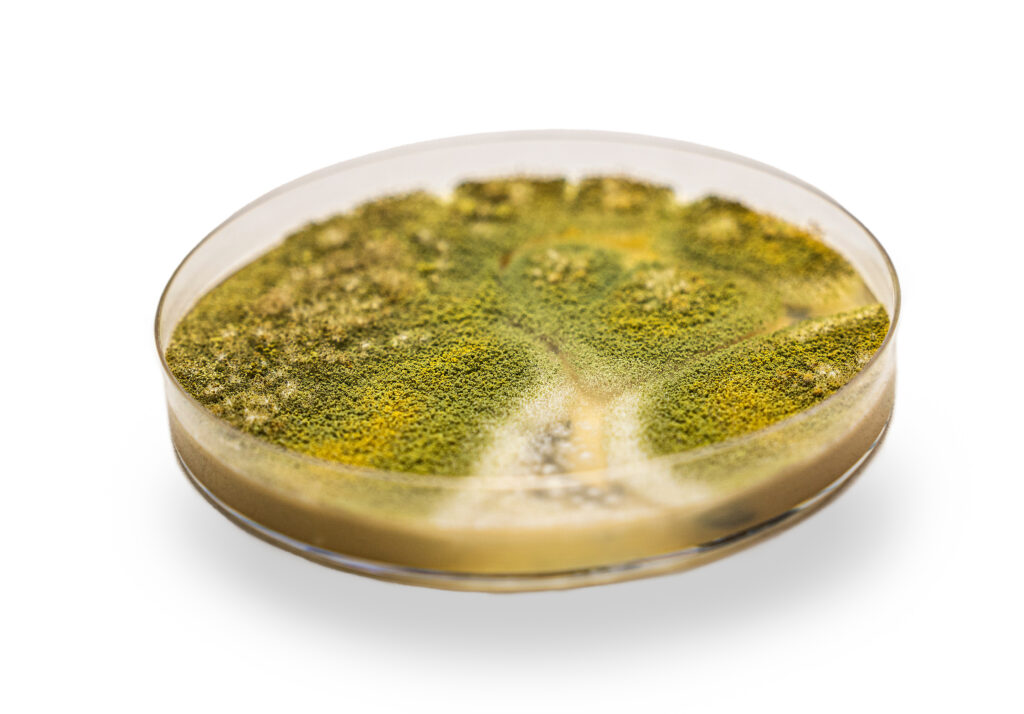
A. fumigatus produces a potent toxin called gliotoxin that enables the fungus to cause disease and outcompete other microbes, but it is also so toxic that it can poison the fungus itself.
To survive, the fungus has developed protective systems that neutralize gliotoxin.
Studying the same gene
Dolan and Goldman, who were both studying the same gene in A. fumigatus, examined two closely related Aspergillusspecies, A. fumigatus which produces gliotoxin and a related fungus that does not.
Dolan’s lab specializes in creating mutant strains of fungi, subjecting them to stress tests and analyzing the resulting data to see which genes matter most for survival. In this project, that expertise dovetailed with Goldman’s strengths in fungal genetics and biochemistry, allowing the team to connect molecular mechanisms to big-picture questions about how fungi cause disease.
Further analysis revealed that the gene plays a regulatory role in the mitochondria, the energy-producing “powerhouses” of the cell. They discovered that mitochondria are a key weak spot for gliotoxin. The toxin disrupts mitochondrial function, and when defenses fail, the fungus’s energy systems collapse, leading to cell death.
The results reveal new details about how fungi defend themselves against their own toxins and highlight mitochondria as a possible target for future antifungal treatments. That is of interest because drug resistance is on the rise and current treatments for fungal infections can be toxic or ineffective.
Long-time collaboration
Dolan began visiting Goldman’s lab while working towards his Ph.D. in Ireland. When the Clemson Eukaryotic Pathogens Innovation Center, of which Dolan is a part, began exploring potential collaborations with labs in other countries, Dolan suggested collaborating with Goldman.
Goldman and Dolan have published two projects together, with more forthcoming. Goldman visited Clemson University last summer, and they’ve started participating in virtual joint lab meetings once a month.
Dolan believes that collaboration in research is essential for impactful work, and he regularly meets with other labs around the world in addition to Goldman. He sometimes reaches out to other labs to verify particularly interesting or unexpected results or to share the research load, with his lab handling one part of a project and the partner lab handling another.
“The mindset of working independently without engaging other labs is disappearing,” Dolan says.