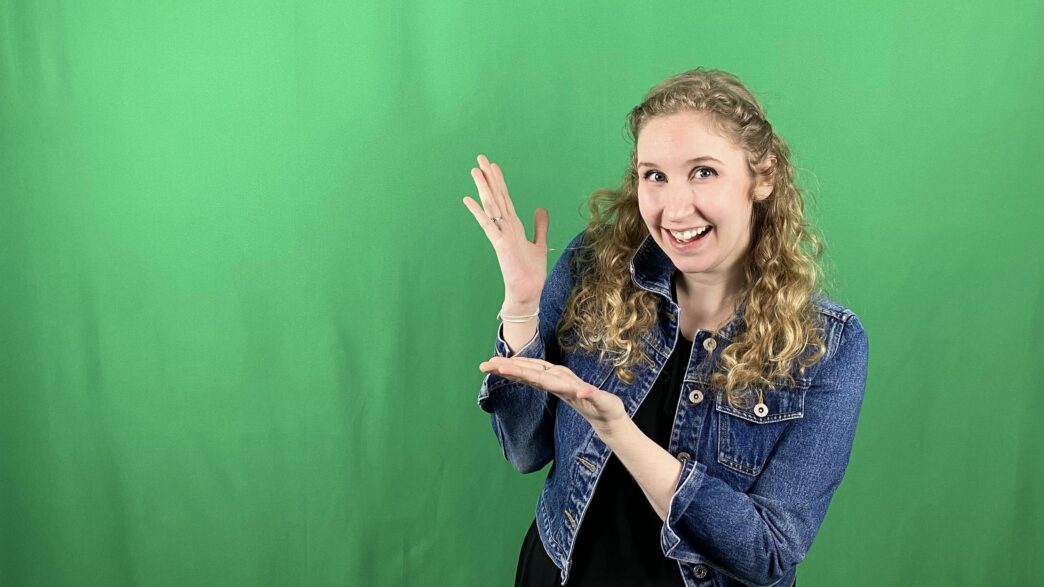
Caroline Farkas M ’19 is far too modest to call herself an innovator, but it’s hard to argue the title given the facts. While teaching fourth-grade math during COVID after becoming a parent, she noticed a lack of quality math content designed for kids that could be delivered remotely.
She researched what makes educational media effective for kids, drawing on engagement and retention data, as well as animation and educational design. Instead of hiring an animator, she learned to do it herself and started Doodles and Digits, an educational media company and YouTube channel. Then, when that channel proved successful, she submitted the content to the National Educational Telecommunications Association, which recognized the concept and distributed “How It’s Math” as a series on PBS.
That’s an innovator noticing a market gap and filling it while developing the skills to turn a concept into reality. It was her experience as a teacher and parent that led her to notice the gap and motivate her to create the content, but Farkas also credits her time as a graduate student in Clemson’s College of Education with further equipping her to create programming that resonated with kids across the country.
“I’ll be honest, there was a point where I literally just Googled ‘how to get a PBS show,’ but it all started with a teacher who knew there was a need,” Farkas said with a laugh. “My time at Clemson really helped me use research to inform every decision I make regarding the show, and it has been invaluable in working with so many different types of guests that we interview each episode.”
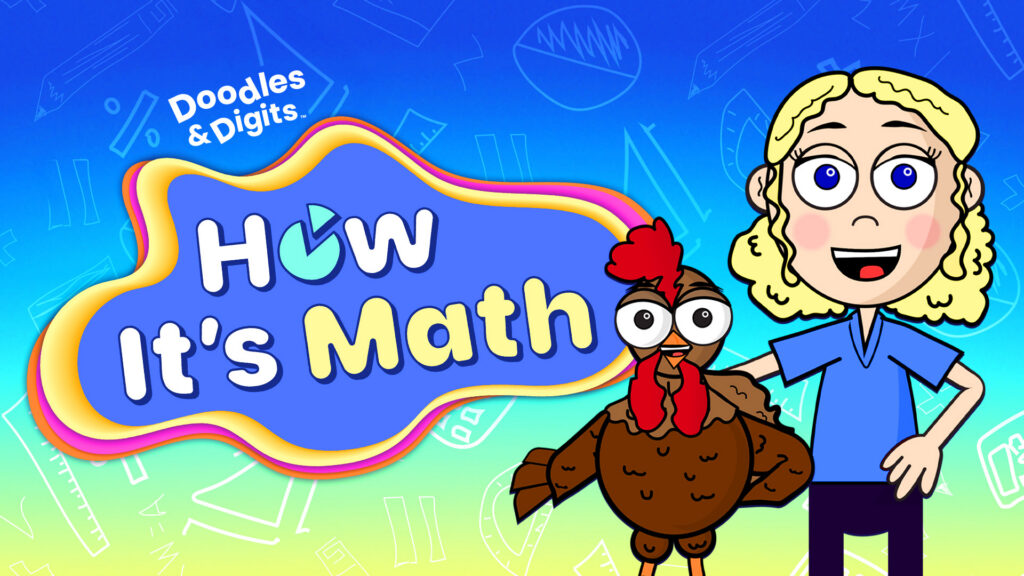
The new season of “How It’s Math” premieres September 1, and fans of the show can expect even more of what made season one both informative and kid friendly. The show features an animated version of Farkas — along with an animated math chicken that serves as her curious sidekick — as she interviews professionals in manufacturing, construction, agriculture and the arts to see how they use math in their day-to-day work.
The content is designed specifically for upper elementary students and focuses on making math visible in everyday careers and life. Farkas and the interview subject workshop the word problems that structure the interviews, and she often helps them bring heady physics or complex engineering concepts down to an elementary level.
Farkas said there have been times when this process has helped reveal to interview subjects just how much math is involved in their jobs, especially in careers where math concepts don’t immediately spring to mind. Season two will feature a cosmetologist discussing how they use angles in haircuts, while another episode will feature an author using word counts to stay on track with writing deadlines.
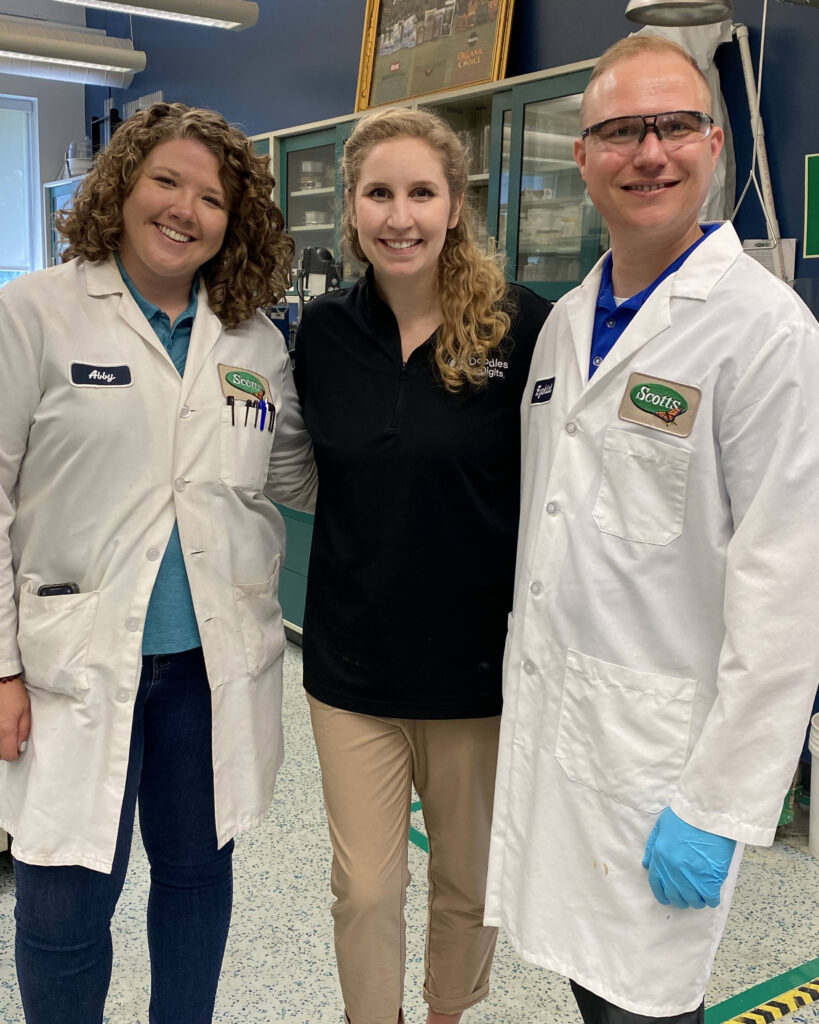
“Students form attitudes toward math very early, and I want the show to reveal that many people who identify as ‘not math people’ go on to careers that revolve around math in unexpected ways,” Farkas said. “I did not enjoy math as a student and avoided teaching math whenever possible early on in my career, but teaching it truly transformed my relationship with the subject. I learned that engagement and context matter as much as the content, and that’s what I’m hoping the show will do for viewers and even teachers.”
The feedback from the first season has shown Farkas is on the right track. She said it has been encouraging to hear from fellow educators who use the show in class because it aligns so well with the standards they are teaching. She has also heard from special education teachers who use the show because the context provided helps their students better understand how math can be used. Meanwhile, Farkas knows her work has an international reach because her YouTube channel is viewed in over 120 countries.
“The really cool thing about math is it’s universal,” Farkas said. “I think that just further shows how much this kind of context in the content is needed.”
Farkas graduated from Clemson University with a master’s degree in teaching and learning, specializing in STEAM (Science, Technology, Engineering, Arts and Math) education, in 2019. Considering her graduate work focused on educational research, STEAM education and instructional design, she credits her experience in the program as having a major influence on the show and her approach to it. Research became the foundation for how she approached designing instructional media, animated chickens and all.
Her thesis in the program examined customizing math word problems to students’ interests; when she applied this approach in her own classroom at the time, she found that students performed better when the problems connected to their lives. Farkas said this emphasis on real-world relevance has always been foundational to every episode of the show, and the research methods she cultivated in the program have helped her approach interviewing such a wide range of subjects.
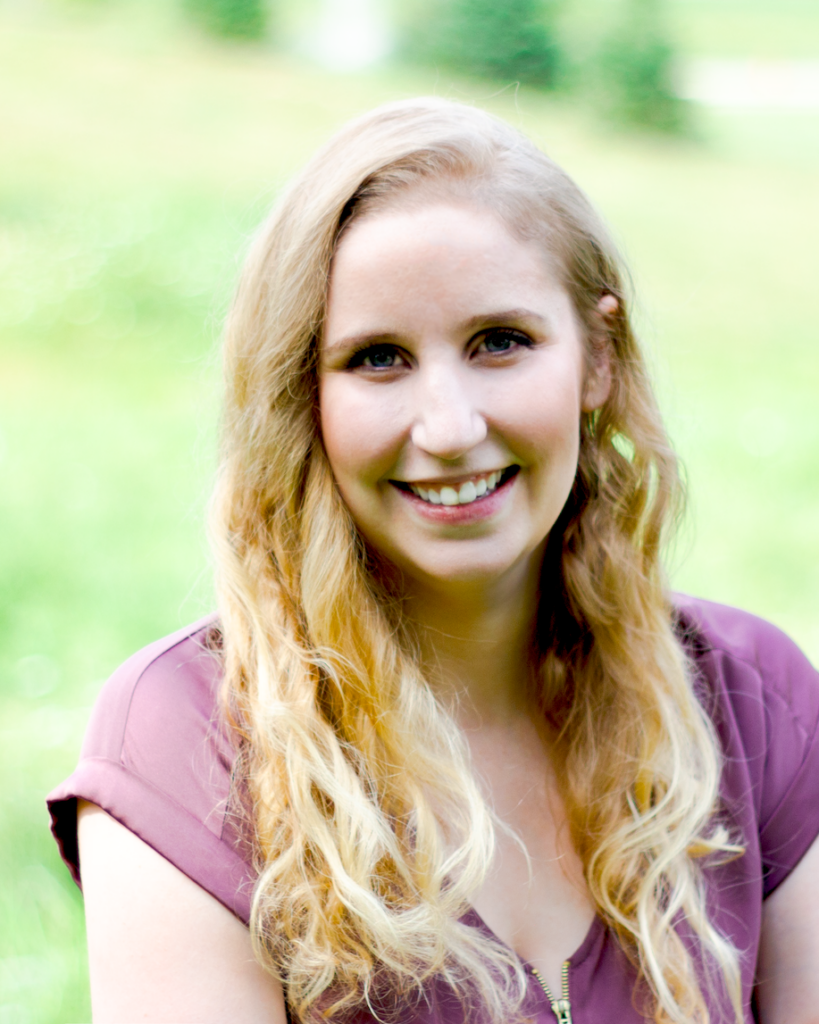
“We make it a requirement that every featured career has to contribute examples grounded in actual practice,” Farkas said. “Designing authentic word problems based on real workplace situations takes research and work, and I think I really built those skills at Clemson.”
While Farkas’ day job is certainly Doodles and Digits and producing “How It’s Math,” she likes to put an asterisk next to her job title since she will always consider herself an educator. She returned to the classroom part-time this year for her kids’ preschool class, allowing her to stay in touch with the parts of teaching she loves.
“I’m mostly out of the classroom, but I can’t stay away too long,” Farkas said. “I think most people go into teaching because they want to help kids. They want to make the world a better place. They want to do good. I’m very proud of the fact that I created a business that is still allowing me to do that.”