National Public Safety Telecommunicators Week, recognized April 12-18 this year, honors the contributions and dedication of public safety telecommunications personnel. The true first responders, telecommunicators are the first voice heard by individuals in need when calling 911.
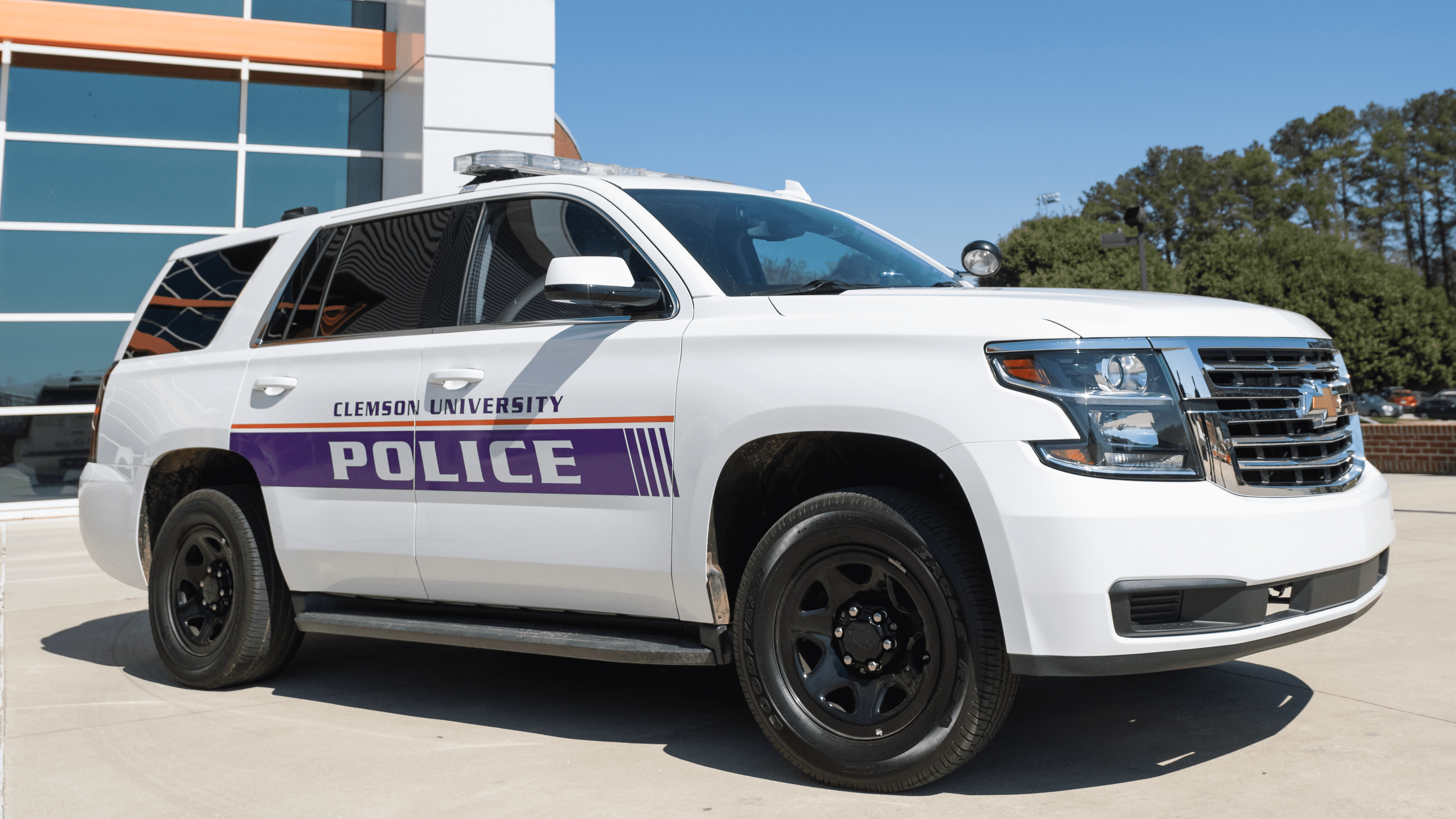
If you’ve ever called 911 or the Clemson University Police Department (CUPD), then you’ve talked to a telecommunicator, also known as a communications specialist or 911 dispatcher. Telecommunicators serve as the first point of contact for the vast majority of citizens in need of services from police officers, firefighters and EMS.
While police officers, firefighters and EMS may respond to several individual incidents during their shift, depending on the needs, telecommunicators respond to every call that occurs during their shifts.
Telecommunicators are also the lifeline for first responders in the field, providing a watchful eye for those responding to dangerous and traumatic incidents. Officers depend on their awareness, quick thinking and expertise to effectively execute the response to some of the most difficult situations imaginable.

This requires that in addition to answering calls, conducting information checks, connecting callers with support services and monitoring the safety of responders via radio, telecommunicators must be ready at a moment’s notice to switch into emergency response for situations with the potential to put lives in jeopardy, such as active threats, medical emergencies and fires.
In addition to their daily duties, during every major event or activity, the CUPD Communications Division supports the operations of more than 400 first responders for events like home football games. Their contributions ensure the critical flow of information between the command staff and personnel in the field, facilitating timely and informed decision-making and response.
CUPD Communications Division pushes new initiatives forward in 2025

The Communications Division at CUPD was awarded a Distinguished Team Citation for their work in 2025, as they pushed forward new initiatives that not only benefit CUPD and Clemson University Public Safety but their partners throughout the county as well. Highlights include:
- Successful implementation of CAD Unit Sharing within the Pickens County Public Safety Answering Point (PSAP) system. Through collaboration with multiple agencies within the county, all PSAPs and responding units are now available to see the same call information, regardless of where the call was initiated, preventing communication issues for those responding.
- Launching of APCO Emergency Medical Dispatch (EMD), Telephone CPR (T-CPR), and CPR training for 911 Telecommunicators. These certified training courses enable all Dispatchers to ask callers incident-related medical questions, provide pre-arrival instructions, and assist callers in cardiac arrest by providing CPR instructions via phone.
- Finalization of APCO Intellicomm Guidecards software was approved county-wide, which automates pertinent and critical questions for the Dispatcher to query a caller and generates standardized pre-arrival instructions as an integrated feature of the computer-aided dispatch (CAD).
- CUPD began the certification process for the first APCO Fire Service Communications Instructor, who will be available to support training for other PSAPs in the region.
Learn more about the CUPD Communications Division’s successes in 2025 in the CUPD Annual Report.