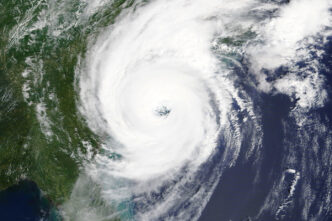

May has once again been declared Hurricane Preparedness Month in South Carolina by Governor Henry McMaster. The month is a critical time for South Carolina residents to prepare for hurricane season, which begins June 1, by planning ahead, gathering supplies and staying informed.
The state’s Hurricane Preparedness Month theme, “Plan Ahead. Stay Ahead,” encourages South Carolinians to take simple steps now before a storm is on the horizon. Being prepared ahead of time helps you stay one step ahead of any storm.
While the state did not see major impacts from hurricanes in 2025, Hurricanes Debby and Helene in 2024 demonstrated that those living well inland can be affected by the severe impacts of hurricanes as much as those living and working in Hurricane Evacuation Zones along the coast. Regardless of where you live, begin your hurricane preparations now and consider these tips to help keep you and your family safe.
Be Informed
- Know your hurricane risk. Whether you live on the coast or far inland, be aware of the impacts that rain, wind, water and even tornadoes can have on your location when a hurricane or tropical storm makes landfall.
- Know your evacuation zone if you live on the coast. Find your zone on SCEMD’s Hurricane Guide.
- Have several ways to receive alerts:
- Stay tuned to local TV and radio stations for emergency information and the latest weather reports.
- Sign up for CU Alerts, which provide emergency notifications to Clemson locations throughout the state.
- Sign up for alerts from your local emergency management office and be aware of Wireless Emergency Alerts (WEA) and the Emergency Alert System (EAS).
- Follow trusted and reliable sources on social media, such as Clemson University Public Safety, your local NWS station, local news outlets and SCEMD.
Make a Plan
- For those living or working in evacuation zones, learn your nearest evacuation route, practice with your household and pets and identify where you will stay. Rely on the blue hurricane evacuation signs, not GPS.
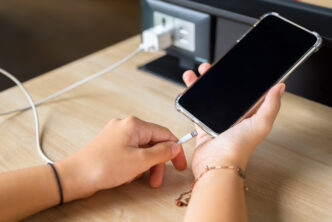
- Keep your cell phone charged when a hurricane is in the forecast and purchase backup charging devices to power electronics.
- Make sure everyone living in your residence knows and understands your hurricane plans. Include the office, kids’ daycare and anywhere else you frequent in your hurricane plans.
- Prepare your home for hurricane season:
- Conduct a safety check to ensure your home can withstand the effects of a hurricane.
- Get your roof inspected, de-clutter drains and gutters, bring in outside furniture and consider hurricane shutters.
- Confirm that your insurance policies cover the types of damage hurricanes can cause.
- Make a list and take photos of your belongings as records.
- Prepare for power outages. If you choose to utilize a generator, ensure you know how to do so properly.
Build a Kit
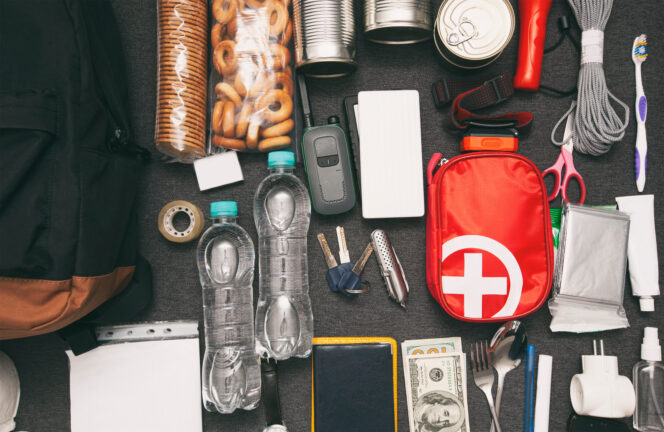
- Build a kit with enough supplies for your household for several days, including food and water, medication, disinfectant supplies and pet supplies.
- When building your kit, consider the unique needs of those living in your residence and tailor your kit accordingly.
- Be sure to include important family documents such as copies of insurance policies, identification and bank account records saved electronically or in a waterproof, portable container.
Resources
- The South Carolina Hurricane Guide is a great resource to help you prepare for a hurricane with specific information and resources for South Carolinians.
- The South Carolina Emergency Management Division (SCEMD) website provides specific information for SC residents, including preparedness info and consistent updates before, during and after a hurricane impacts SC.
- National Hurricane Preparedness Week is May 3-9. Find information about each phase of preparedness from the National Oceanic and Atmospheric Administration (NOAA).