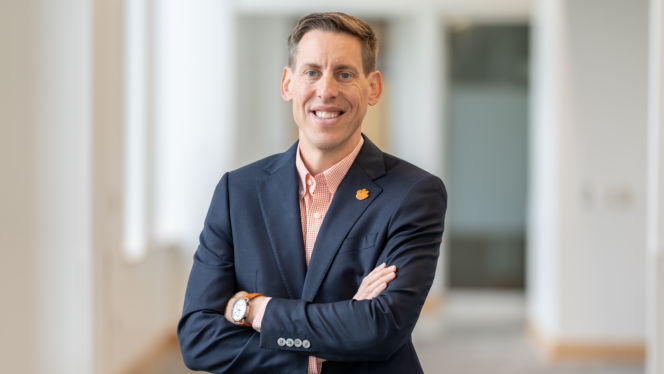
September is National Preparedness Month, and as communities reflect on Hurricane Helene and its impacts two years after the event, the storm also offers lessons on how households and businesses can prepare for the next major disaster. Clemson University supply chain expert Aadhaar Chaturvedi says preparing early can help communities and the supply chains they depend on better withstand disruptions.
Why stocking up early matters
When a hurricane approaches, consumers often encounter empty shelves as demand for water, food, batteries and other essentials rises. Chaturvedi says the timing of those purchases can make a difference as distribution centers and stores have limited space, and supply chains cannot always respond immediately to a sudden spike in demand.
“If consumers buy on the last day before the hurricane arrives, it’s going to run out of stock,” Chaturvedi said. “These supply chains aren’t designed to be super responsive.”
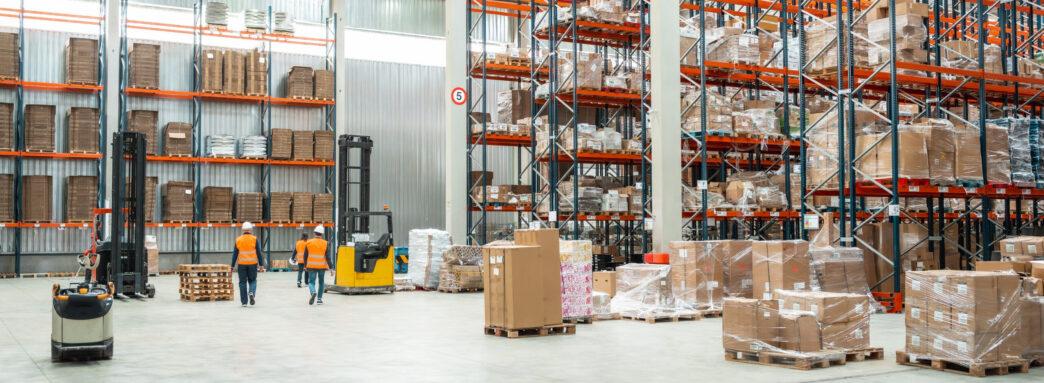
Buying nonperishable essentials several days before a storm can help free up shelf space and warehouse capacity, allowing additional products to move through the supply chain before conditions deteriorate.
Ahead of Hurricane Helene, Chaturvedi noticed preparedness messaging encouraging consumers to purchase necessities several days in advance of the storm. He says that early preparation can help more products move through the supply chain before disaster strikes.
“Stock up as soon as possible because that creates room on the shelves for more product to flow from upstream towards the shelves,” Chaturvedi said.
Building supply chains that can withstand disruption
Hurricane Helene also underscored the importance of businesses preparing for disruptions before they happen. Chaturvedi distinguishes between two approaches companies can use to prepare: robustness and resiliency.
Robustness involves building safeguards into a supply chain, such as maintaining additional inventory or having alternative suppliers available if one source is disrupted. Resiliency focuses on how quickly an organization can respond and adapt to a disruption.
As supply chains have become increasingly global and complex, disruptions in one location can have consequences far beyond the area directly affected. At the same time, Chaturvedi says larger supplier networks can give businesses more opportunities to reroute products or turn to alternative suppliers when problems arise.
Prepare for more than empty shelves
For households, Chaturvedi says the lessons from Helene extend beyond what is on store shelves. Preparedness also means anticipating the problems a disaster could create and developing a plan before those problems become a reality.
That can mean keeping batteries and nonperishable food on hand, knowing whom to contact if a tree falls or roads become blocked, and deciding how to reach elderly relatives or other family members if phone or internet service fails.
“It’s really forward planning that people should be doing before these disasters strike,” Chaturvedi said.
As the anniversary of Hurricane Helene coincides with National Preparedness Month, Chaturvedi’s message is straightforward: preparing earlier can give households, businesses and supply chains more room to respond when the unexpected happens.
About Aadhaar Chaturvedi
Aadhaar Chaturvedi, Ph.D., is an associate professor of operations and supply chain management at Clemson University’s Wilbur O. and Ann Powers College of Business. His research focuses on supply chain management, sourcing, procurement, inventory management and logistics, with particular expertise in how organizations make complex decisions amid uncertainty and supply risk.