In a hands-on demonstration held at Clemson University’s T. Ed Garrison Arena, PCVM faculty and staff experienced state-of-the-art equipment that will enhance clinical education and expand large animal medical care across the Upstate. The demonstration featured tools such as portable ultrasound units, radiography equipment and therapeutic lasers, all selected for their quality, portability and value in both instruction and in-field application.
The demonstration marks another milestone in the development of the Harvey S. Peeler Jr. College of Veterinary Medicine’s ambulatory services, which will provide high-quality, on-farm care for large animals while also serving as an essential training platform for Doctor of Veterinary Medicine (DVM) students.
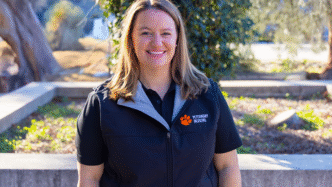
“Without quality tools, the veterinarian cannot adequately do their job, especially in the field where your vehicle becomes your hospital,” said Vicki Weber, Licensed Veterinary Technician (LVT), ambulatory manager and director of teaching operations. “This equipment gives us the ability to deliver top-tier diagnostics and care while teaching students how to use these tools confidently and effectively in real-world conditions.”
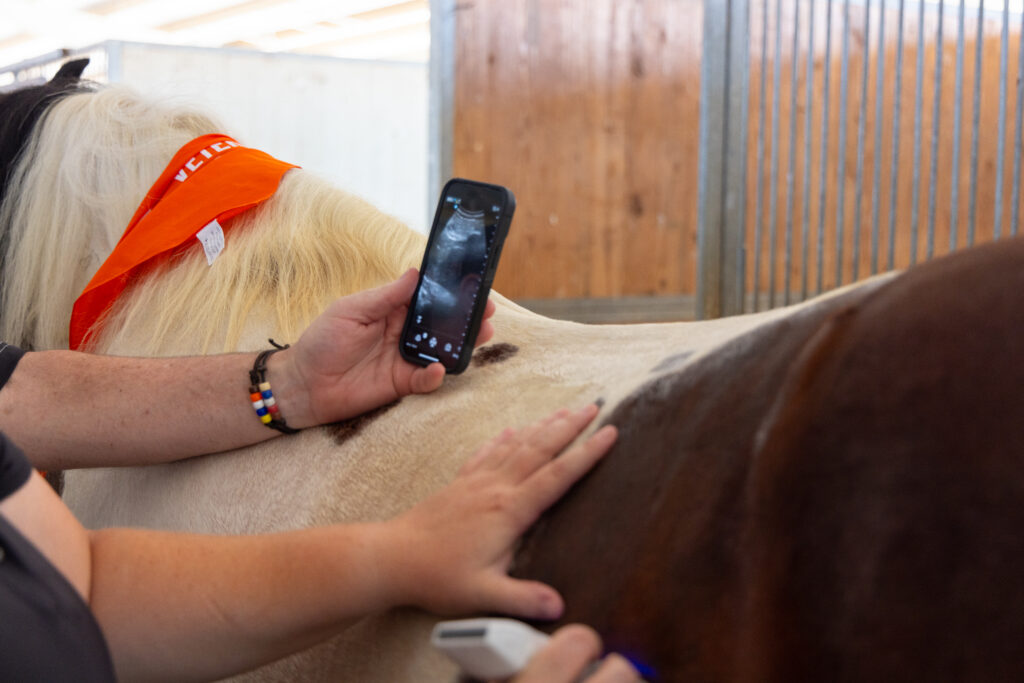
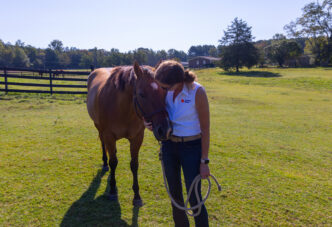
Among the standout models for the day’s demonstrations was Bailey, Weber’s own horse. Bailey’s calm demeanor and physical characteristics helped highlight the importance of using the right tools for animals of all sizes and temperaments.
Dr. Nicki Wise, associate dean for academic affairs, emphasized the dual mission of the ambulatory program: to enhance experiential learning for Clemson’s DVM students and to support South Carolina’s agricultural economy.
“These demos help us finalize what medical equipment we’ll use to teach students and care for animals,” Wise said. “Our goal is to graduate veterinarians who are confident, capable and ready to serve any community, anywhere; and the ambulatory rotation is a big part of that.”
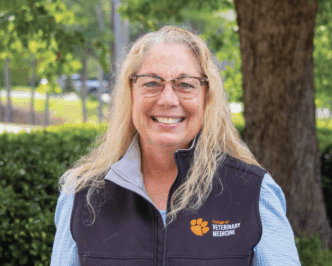
From a diagnostic perspective, the tools are already making an impact. Dr. Emily Waggoner, veterinarian for the PCVM and Clemson University’s farms, highlighted how ultrasound and radiography allow for efficient field diagnostics, from reproductive assessments to musculoskeletal evaluations. Meanwhile, therapeutic lasers offer a non-invasive method to reduce inflammation and accelerate healing.
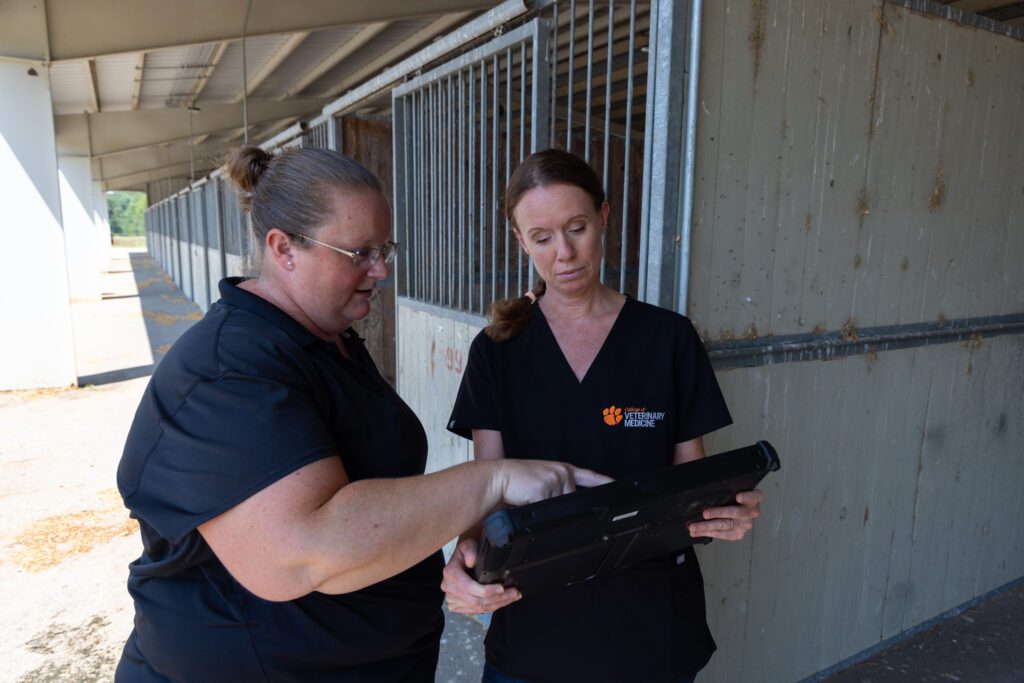
“These are the kinds of tools our students will use throughout their careers,” Waggoner said. “And in this region, they’ll help us deliver the high-quality medical care that farm animal owners and performance horse clients truly need.”
With demand for ambulatory veterinary care outpacing current availability in South Carolina, Clemson’s expansion into this space is expected to transform access to care in the Upstate and beyond. The service will complement existing veterinary practices, support local producers and offer peace of mind to clients whose livelihoods depend on timely, expert animal care.
“This isn’t just a teaching win; it’s a community win,” Weber added. “We’re not just building a clinic. We’re building confidence, partnerships and support for the people and animals who make this region strong.”