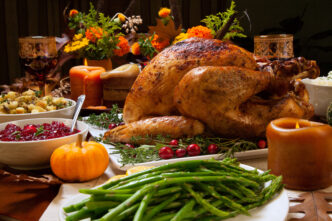

Thanksgiving brings family and friends together around favorite dishes, and a little planning can help keep the meal safe while making room for everyone’s favorites.
Thinking ahead about refrigerator space, thawing time, cooking temperatures and food allergies can help make the holiday less stressful, leaving more time to enjoy being together and celebrating the season of gratitude.
Plan ahead
A safe Thanksgiving meal begins before the cooking starts. Finalize the menu early and consider how much refrigerator space you’ll need for the turkey, side dishes, additional cooking ingredients and leftovers. Set the refrigerator to 40°F or below and make room to keep raw poultry separate from ready-to-eat foods.
Clemson Home and Garden Information Center provides a comprehensive list of food products and their recommended cooking temperature.
Avoid cross-contamination
A busy holiday kitchen can make it easy for raw meat juices to come into contact with other foods. Clemson Home and Garden Information Center recommends washing hands with soap and water for 20 seconds before preparing food and after handling raw poultry.
Additionally, use separate cutting boards and utensils for raw meat and ready-to-eat foods, and wash food-prep materials and countertops with hot, soapy water after preparing each food and before moving on to the next.
Washing a raw turkey is a common holiday habit, but it can spread bacteria when water splashes onto nearby surfaces. Skip the rinse and place the turkey in the container or roasting pan and if needed, pat it dry with paper towels. Then wash your hands and clean any surfaces that came into contact with the raw poultry.
Give the turkey time to thaw
A frozen turkey needs time to thaw. When preparing your frozen turkey for the holidays, place it in the refrigerator and allow approximately 24 hours for every 4 to 5 pounds. A 20-pound turkey can take four to five days to thaw, so check its weight and plan backward from Thanksgiving Day. If you don’t have enough time to thaw the turkey in the refrigerator, follow trusted food safety guidance for thawing it in cold water or a microwave. Never thaw a turkey on the counter.
Cook the turkey immediately after thawing. Again, don’t wash it; just pat it dry, if needed. Roast the turkey in a preheated oven set to 325°F, and use a food thermometer to ensure the turkey reaches an internal temperature of 165°F. The turkey’s color alone won’t tell you whether it has been safely cooked.
If ham is on the menu
Knowing whether a ham is fully cooked or uncooked is an important step in preparing it safely. Check the label and follow the appropriate preparation instructions. Fresh, uncooked ham should reach 145°F and rest for at least three minutes before carving or eating.
Check the stuffing, too
If the stuffing is cooked inside the turkey, it must also reach an internal temperature of 165°F. Use a food thermometer to check the center of the stuffing; the turkey reaching its safe temperature does not guarantee the stuffing has reached it. Stuffing cooked separately should also reach 165°F.
Consider food allergies
Ask about food allergies and dietary restrictions before planning the menu. Read ingredient labels, prepare allergen-free dishes separately and label foods clearly so guests can make informed choices.
Enjoy favorite foods and healthy habits
It may be tempting to skip breakfast to save room for Thanksgiving dinner, but Clemson Home and Garden Information Center recommends eating beforehand. It can help you avoid becoming overly hungry. A breakfast such as whole-wheat toast with an egg and fruit, or plain yogurt with fruit and nuts, can help you start the day nourished.
At the holiday table, enjoy the foods that make the day special while being mindful of portions. For people managing diabetes, the plate method can help: Fill half the plate with non-starchy vegetables, one-quarter with lean protein and one-quarter with carbohydrates or starchy foods. Continue checking blood sugar according to your usual care plan, even if the holiday meal is served at a different time.
Movement can be part of the celebration, too. Invite family and friends for a walk or Turkey Trot, play a game outdoors or make time for another activity you enjoy.
Store leftovers safely
Once the your holiday meal is over, refrigerate or freeze perishable foods within two hours. Remove the stuffing from the turkey, carve the meat off the bones and divide the leftovers into shallow containers so they cool more quickly. Keep the refrigerator at 40°F or below for safe storage.
Use refrigerated leftovers within three to four days, or freeze them for longer storage. When reheating, use a food thermometer to make sure leftovers reach 165°F.
For more tips, visit Clemson Cooperative Extension Home and Garden Information Center’s Food Safety Pitfalls at Thanksgiving & Beyond, Holiday Food Safety Tips, A Guide to Staying Healthy This Holiday Season and Fall Into Flavor: Enjoy South Carolina’s Seasonal Produce.