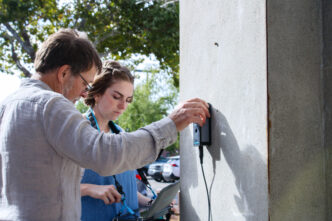
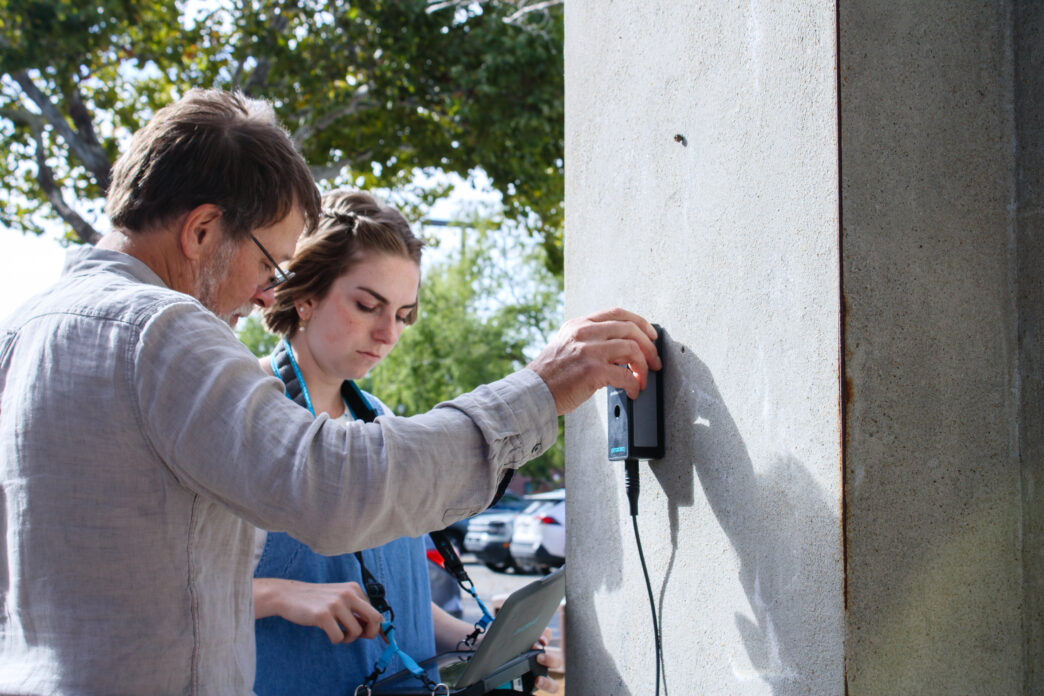
People visit cities like Charleston to see some of the iconic historic buildings that stand to remind us of times before, of stories and people who walked the streets and made lasting impacts for years to come. Some recognize the iconic skylines of cities like Chicago and take architecture tours to learn more about how the skyscrapers came to be. So often, however, we may not pause to realize the work it takes to ensure these buildings, landmarks or relics from the past maintain their legacies and lifespans. Buildings are important, but even more so are the stories they tell and the ways they bring people together. Who does the work of preservation, and why does it matter?
For Ashley Wilson, architect, fellow of the American Institute of Architects and interim director of the historic preservation program, the preservation field is particularly energizing as you learn about the many layers of history that make communities special.
“The work that we do in this program and in this field is truly interesting,” said Wilson. “We get to protect the character and memories of our communities because both of those are public assets worth protecting. I wake up each day and am excited to work. This joy is something those of us in the preservation field experience throughout their careers because we make places better.”
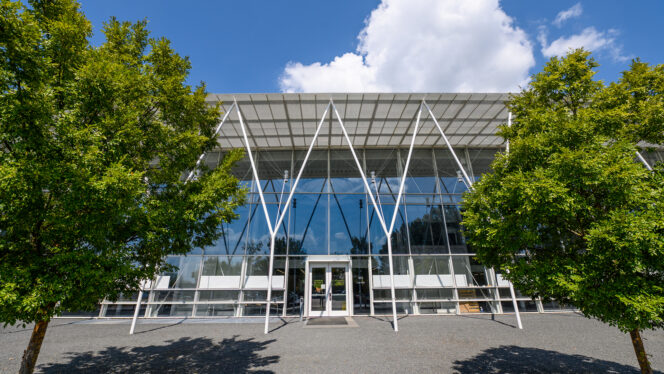
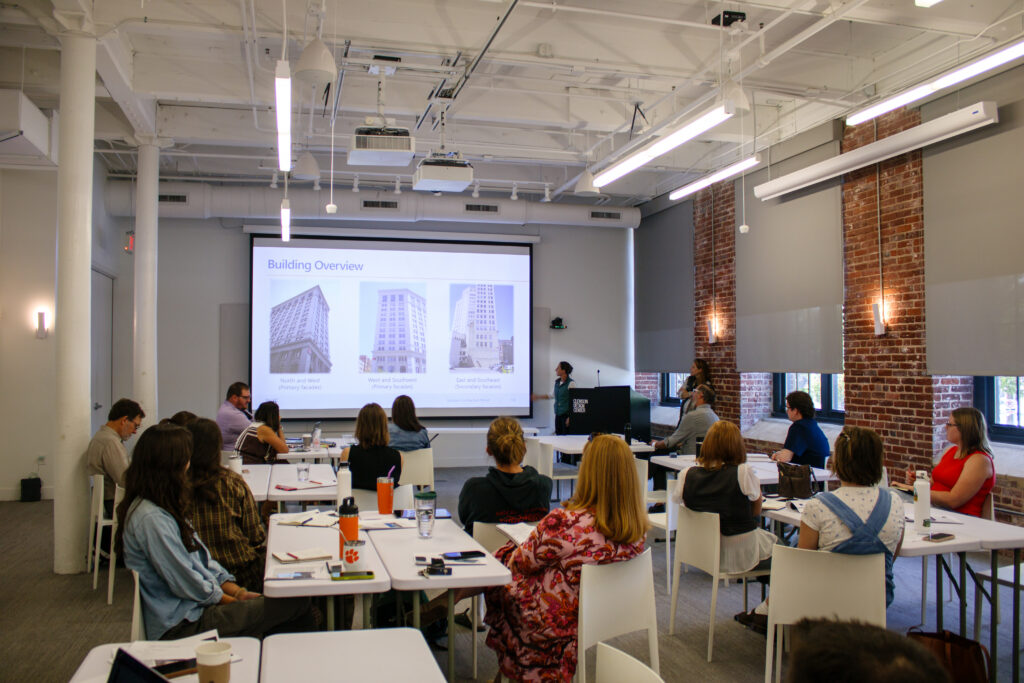
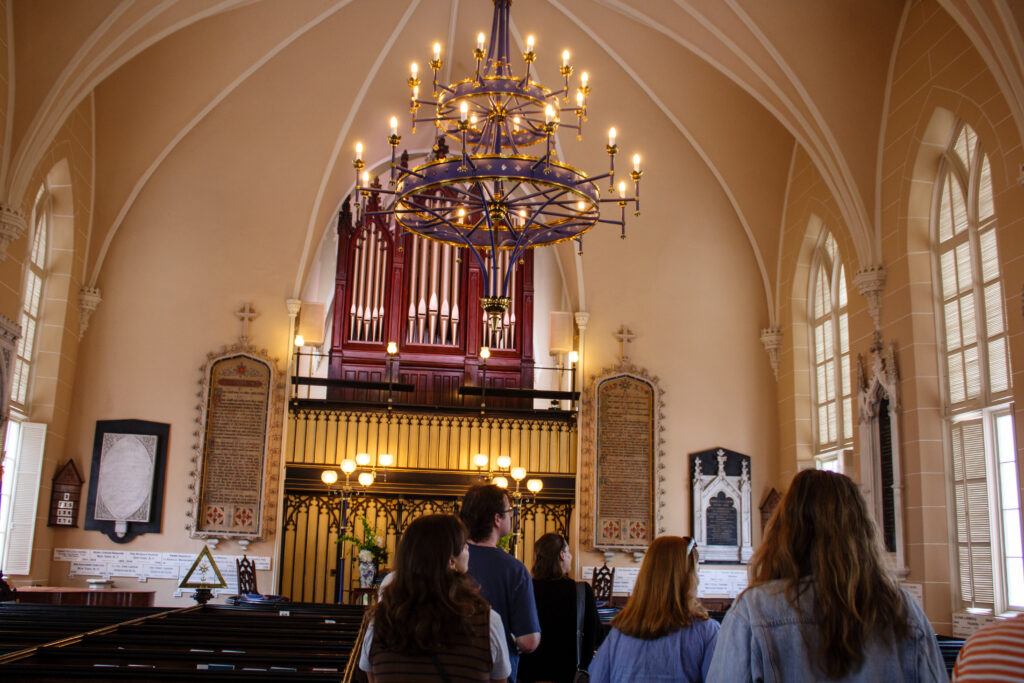
Clemson University’s master of science in historic preservation offers students the chance to study the field at its birthplace in the United States in Charleston, South Carolina. Students come from all backgrounds and training, with some pursuing their post-graduate work after studying chemistry, civil or structural engineering, art, business, history and architecture. Experts, like new faculty member Carrie Gammell, bring their expertise from Harvard and UCLA to the program’s students. Students have the chance to immerse themselves in all the history that Charleston/surrounding regions offer and have access to unique facilities like the conservation laboratory, housed inside the Clemson Design Center at the Cigar Factory location.
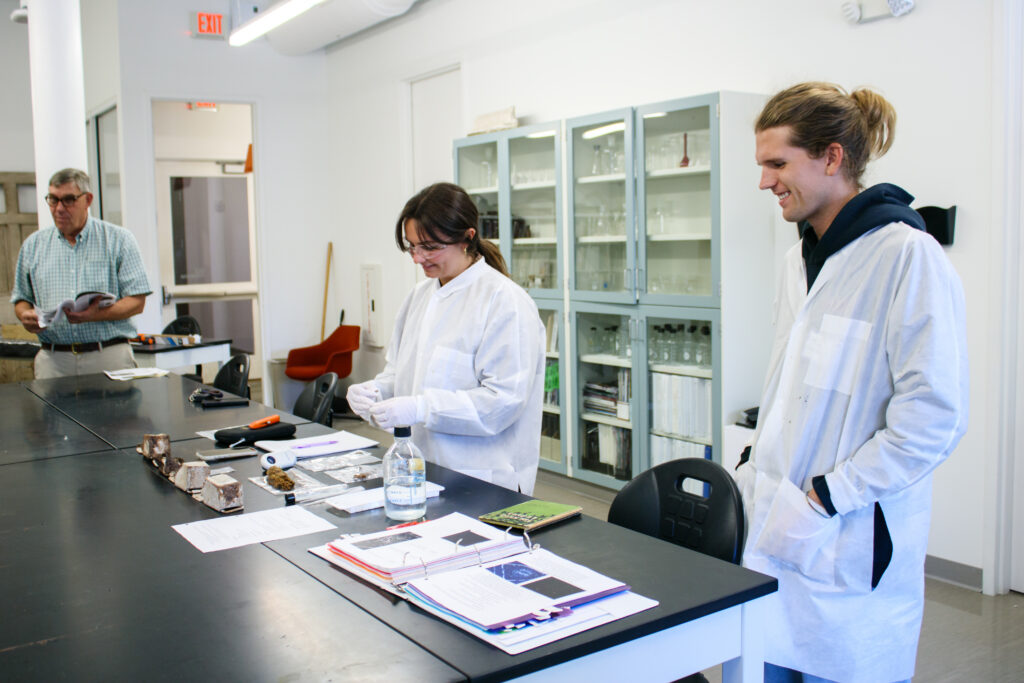
For second-year students like Ashley Dever, the HP program gives her a path to be an advocate for skilled trades in such a unique part of the state and country.
“Historic Preservation is how I have found a path to advocate for the skilled trades,” Dever said. “Connecting craft to structure through cultural research and direct engagement of the built environment, Charleston is the ideal place to study historic materials and methods of construction.”
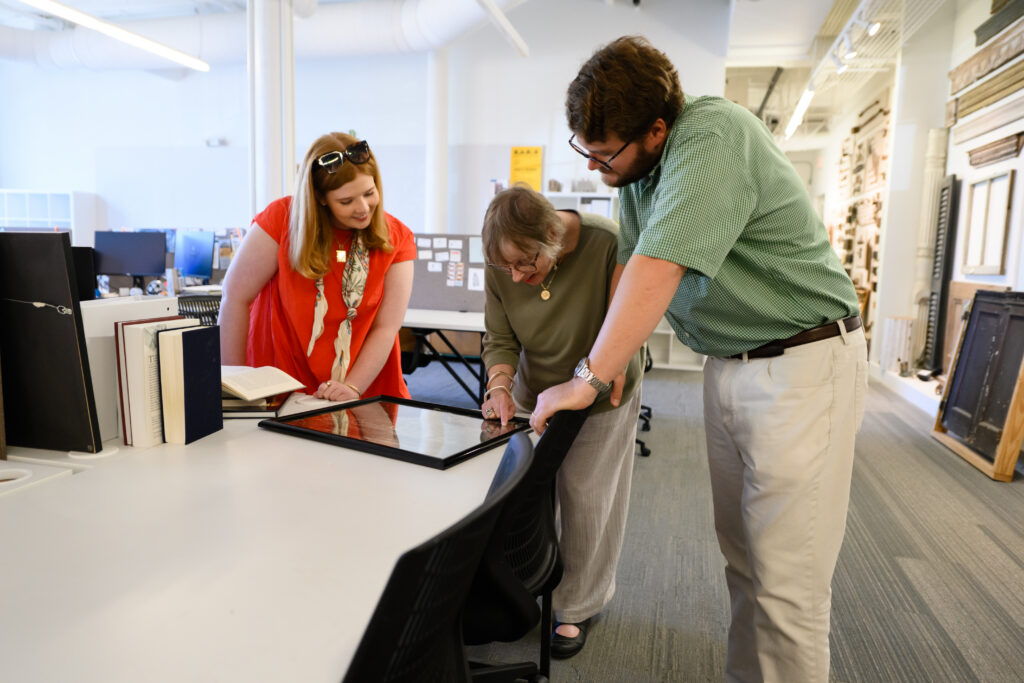
Emily Anne Harris, also a second-year HP student, said that this program is both broad and specialized in all the right ways for her interests.
“Covering a wide range of topics from material conservation to design guidelines, our program has equipped me to tackle almost any preservation problem, while still giving me the space to carve a niche in what I love; property research and preservation advocacy,” said Harris.
Those interested in learning more about historic preservation can find information about the program, course of study and open houses at this website. Applications for the 2027 class are open now through January 15. Students from all disciplines and backgrounds, and professionals looking to pivot careers, are encouraged to apply.