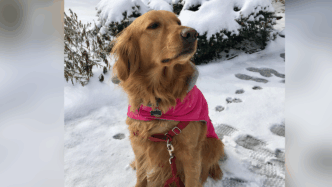

Care for Small Animals: Tips from PCVM Founding Dean Steven Marks
Cold weather can pose serious risks for companion animals, especially very young, older or medically fragile pets. Dean Steven Marks recommends the following steps to keep dogs and cats safe this winter:
- Keep pets indoors whenever possible – if it’s too cold for you, it’s too cold for them.
- When outside, never leave pets unattended. Provide a clean, dry shelter with a solid barrier against wind.
- Ensure pets have free access to fresh, unfrozen water at all times.
- Take extra care with pets that have preexisting conditions, as they may struggle to regulate body temperature.
- Use coats or sweaters that fit comfortably and do not restrict movement.
- Consider booties to protect paws from snow, ice and road salt.
- After walks, rinse paws in warm water to remove salt or deicers, which can be toxic.
- Avoid frozen ponds, lakes or rivers. Ice can easily break under a pet’s weight.
- Store antifreeze and chemical deicers safely; even small amounts can be lethal if ingested.
- Make sure every pet wears identification or has a microchip in case they become lost.
“Protecting animals from the elements is part of responsible ownership,” Marks said. “A little planning goes a long way toward keeping our four-legged family members safe and comfortable.”

Care for Backyard Chickens: Tips from Dr. Mickey Hall, Small Poultry Flock Specialist
South Carolina’s mild winters can still challenge backyard poultry keepers. Dr. Mickey Hall reminds owners that, while chickens tolerate cold better than heat, good management is essential for their health and productivity.
- Feed a balanced diet year-round. Birds need extra energy in cold weather to maintain body heat.
- Avoid whole grains such as scratch feed or whole corn; these take more energy to digest than they provide.
- Keep an extra 50-pound bag of feed on hand in case of severe weather where more food is needed or you can’t travel to purchase more.
- Provide plenty of clean, unfrozen water. Chickens cannot swallow properly without it. Heated waterers can prevent freezing.
- Maintain a draft-free, predator-proof coop with good ventilation. Use deep bedding of pine shavings for warmth and insulation.
- Because South Carolina winters are more wet than snowy, keep coops and outdoor runs dry. An 18-inch overhang provides shelter from rain.
- Collect eggs at least twice daily to prevent freezing.
- Observe birds twice a day to ensure they are dry, active and content.
For additional guidance, contact Dr. Mickey Hall, Small Poultry Flock Specialist, at mahall@clemson.edu or 864-885-2197.

Care for Backyard Goats: Tips from Dr. Sierra Guynn, PCVM Faculty, Farm Animal Medicine
Goats are hardy animals, but South Carolina’s damp cold can still cause stress if herds are not properly managed. Dr. Sierra Guynn offers these key recommendations:
- Provide sturdy shelters with at least three walls and a roof to block wind and rain. Cold and wet conditions combined are far more dangerous than cold alone.
- Use clean straw bedding for maximum warmth. For young kids under two months, bedding should be deep enough to nearly cover them.
- If straw is unavailable, kiln-dried wood shavings are acceptable, but house goats in a fully enclosed space for added protection.
- Keep clean, unfrozen water available at all times. Encourage male goats to drink plenty to prevent urinary stones.
- Offer a white salt lick alongside goat minerals to promote hydration.
- Feed high-quality grass hay freely. Digestion helps generate natural body heat.
- Provide grain only to nursing females or under veterinary direction, as excessive grain can increase the risk of bladder stones in males.
- Prevent ice hazards by maintaining dry barnyards, fixing leaks and directing drainage away from high-traffic areas.
“Goats handle the cold surprisingly well as long as they stay dry and have access to quality feed,” Guynn said. “Good winter management supports animal welfare and reduces long-term health risks.”