Universities across South Carolina gathered to build a collaborative support system to enhance academic research, innovation and societal impact.
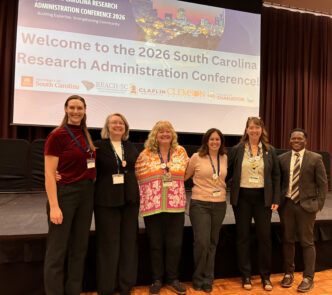
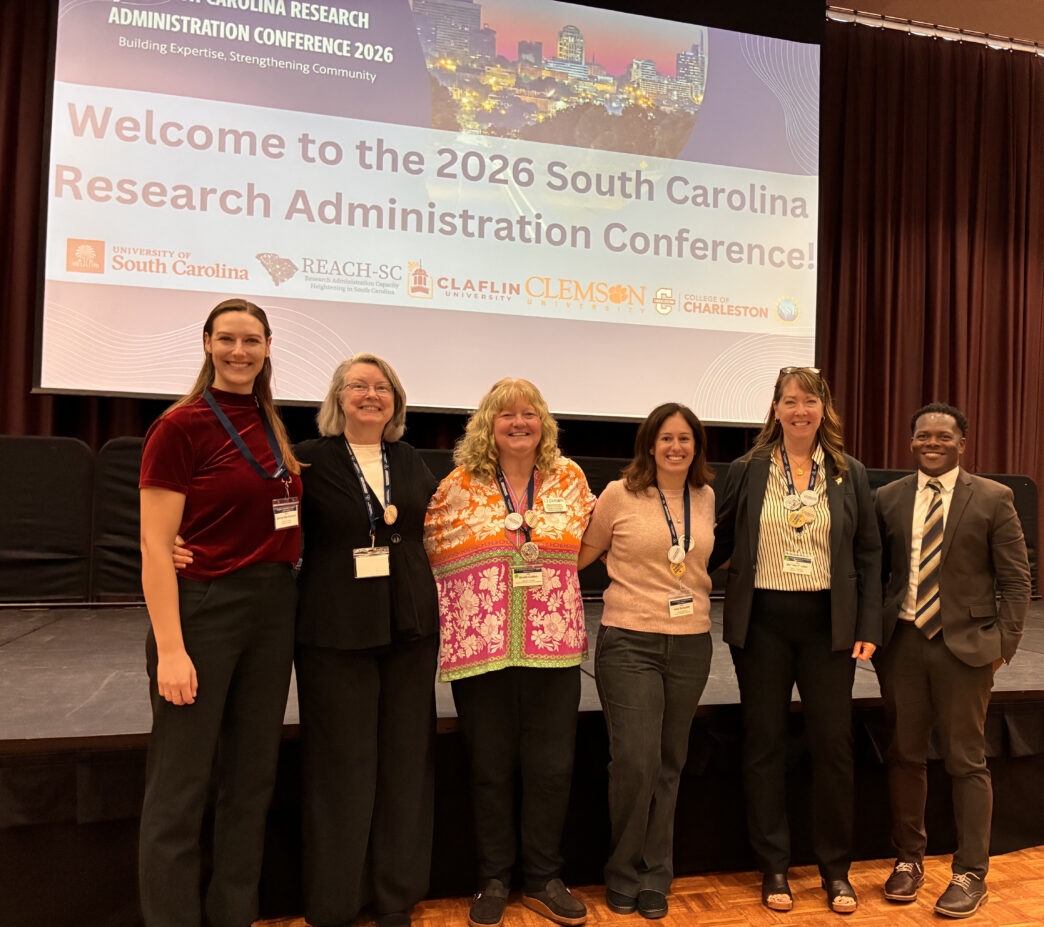
The 2nd Annual South Carolina Research Administration Conference in September brought together 163 research administrative professions from 24 colleges in South Carolina who are working to strengthen the administrative infrastructure that advances research. The two-day conference – held centrally in Columbia at the University of South Carolina – is a cornerstone of the REACH-SC initiative (Research Administration Capacity Heightening in South Carolina). A collaboration between Clemson, College of Charleston and Claflin University, REACH-SC received a $2 million investment from the National Science Foundation GRANTED program to support strengthening the administrative workforce across the state’s institutions of higher education.
“Great research ideas can emerge anywhere, but the ability to turn those ideas into funded projects, meaningful discoveries and long-term societal impacts often depends on the infrastructure supporting them. Investing in that infrastructure is essential to expanding research capacity and competitiveness,” said Shelia Cotten, Clemson associate vice president for research development and principal investigator for REACH-SC. “Through REACH-SC, we’re working to change that by strengthening research administration across South Carolina, expanding opportunities for institutions of all sizes to compete for funding, advance discoveries and contribute to the state’s economic growth and quality of life.”
University research nurtures innovations that improve health care, boost farm profitability, enhance manufacturing efficiency and productivity, modernize transportation systems, grow the state workforce, increase sustainability and much more. The work requires funding that is accompanied by a bevy of rules and requirements. Universities have varying levels of administrative support staff to help researchers identify funding opportunities, develop proposals, properly account for grant spending and comply with various regulatory requirements, such as conducting research with clinicians and patients, handling hazardous materials or protecting sensitive data, for example.
Historically, universities have struggled to fill research administration positions, and the acceptance of remote working arrangements has made the job market even more competitive for employers looking to fill needs. The National Academies identified lack of research administration infrastructure, including staff, as a significant barrier to “emerging research institutions,” commonly considered institutions with less than $50 million in research expenditures per year. This barrier is particularly pronounced at primarily undergraduate institutions and historically black colleges and universities.
Over the past two years, REACH-SC has been working to address this barrier in South Carolina through three primary objectives:
- Implementing and refining a statewide Research Enterprise Knowledge and Mentoring Network (KnowNet);
- Conducting a needs assessment with emerging research institutions (ERIs) to identify strengths, challenges, opportunities for enhancing infrastructure, and resources needed to enhance research administration; and
- Conducting skills mapping to identify other occupations where research administration skills are prevalent.
The annual South Carolina Research Administrators Conference provides an avenue for attendees to share ideas and learn new skills. Attendees reported significant benefits:
- 97% reported the conference inspired new ideas or approaches to solving problems in their role.
- 95% gained new knowledge and skills that they can apply in their current position.
- 95% felt more connected to the research administrator community in South Carolina after attending the conference.
- 86% made a meaningful connection with at least one colleague from a different institution.
Learn more about REACH-SC at clemson.edu/research/projects/reach-sc.