Series note
This article is part of a three-part Clemson University series inspired by the Masters Tournament. The College of Agriculture, Forestry and Life Sciences examines turfgrass practices, the plants found at Augusta National and provides guidance to help South Carolina homeowners choose what works best in their own landscapes.
Front 9 Gallery


This week, millions of viewers will tune in to watch the Masters Tournament, where pristine fairways and iconic blooms are as much a part of the experience as the golf. Augusta National Golf Club, built on a former plant nursery, features more than 350 plant varieties and an estimated 80,000 plants, creating one of the most recognizable landscapes in sports.
But you do not need Augusta’s budget or staff to bring some of that beauty home.
Jackie Jordan and Stephanie Turner, Clemson University horticulture experts, say that many of the plants and design principles seen at Augusta can translate to South Carolina home landscapes with the right approach.
Success, they say, comes down to choosing the right plant for the right place, understanding growing conditions and prioritizing year-round interest instead of a single moment of peak color.
Augusta’s front nine offers a clear starting point. Each hole is named for a tree or shrub. Some are well-suited for South Carolina yards. Others require careful consideration or better alternatives.
Here is how the front nine breaks down, along with what Clemson experts say homeowners should know before planting.
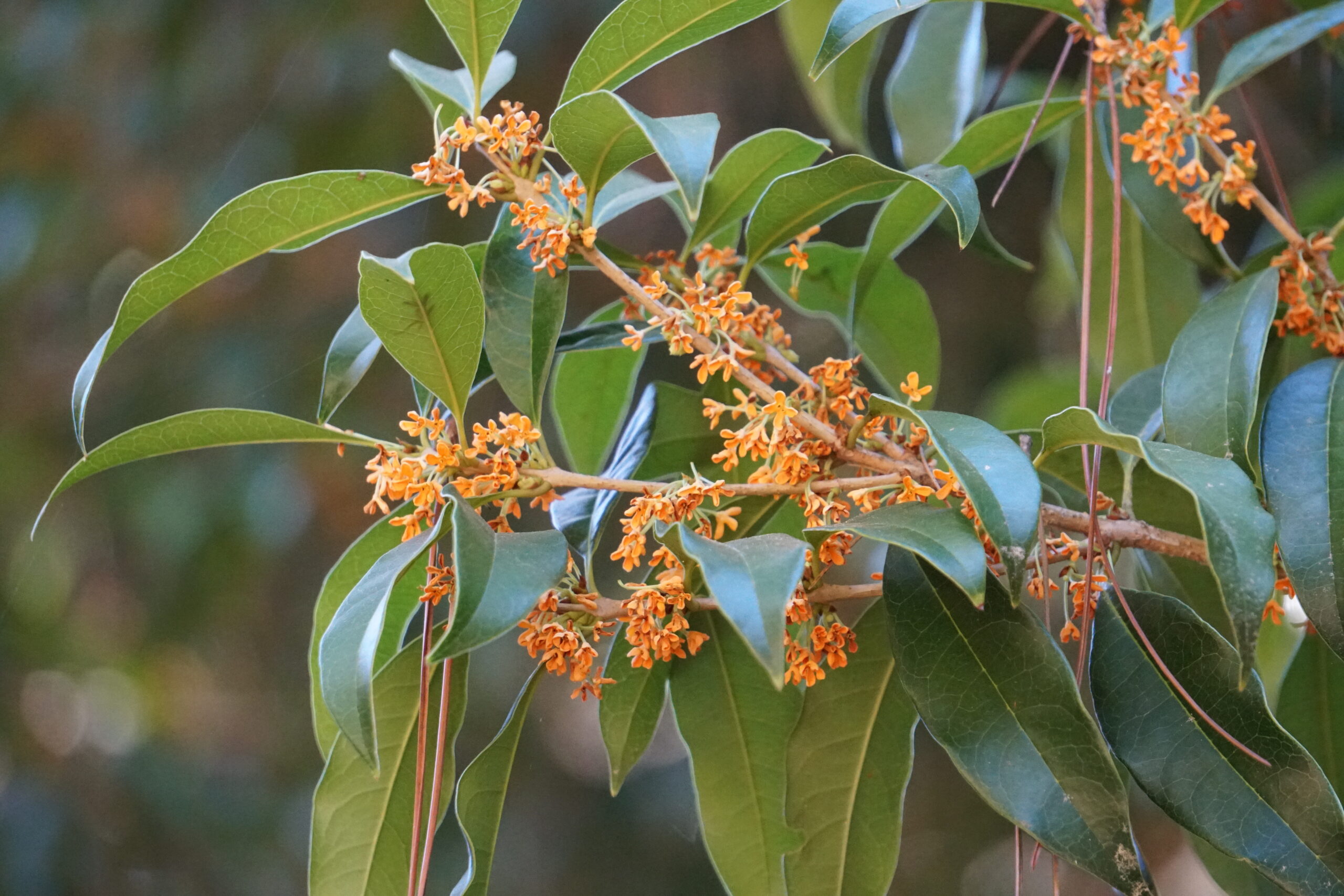
Hole 1 — Tea olive (Osmanthus fragrans)
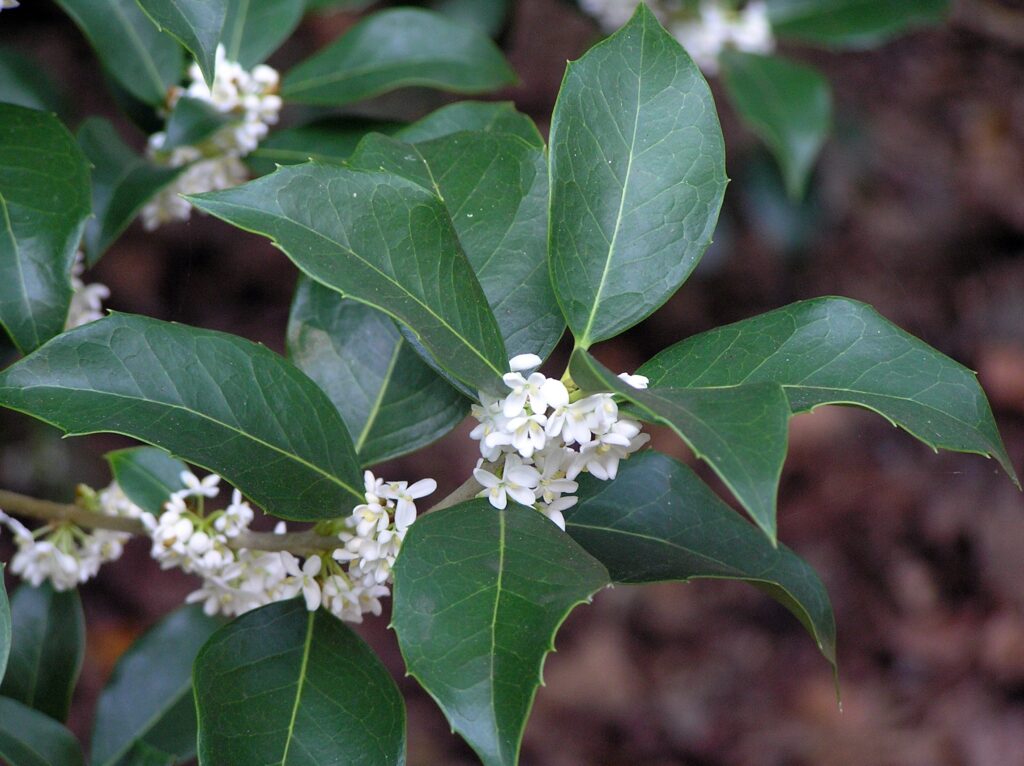
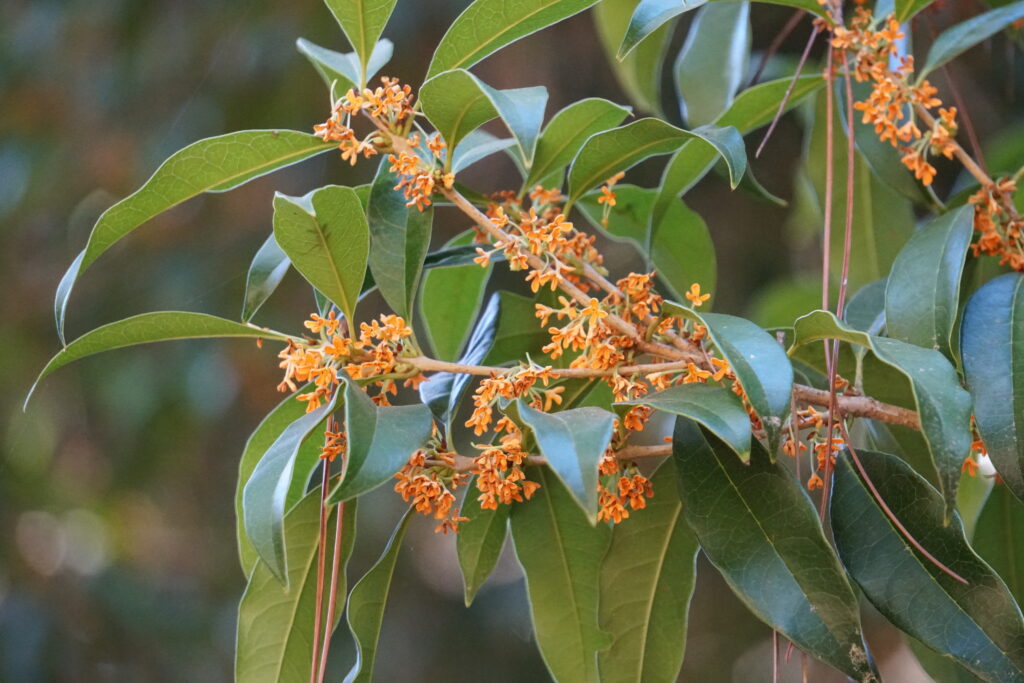
Tea olive is not native to South Carolina, but it remains a favorite for a reason. This evergreen shrub thrives in full sun to part shade and is known for its small, highly fragrant blooms.
“Tea olive is one of my top choices,” Jordan said. “I love scent in the garden. There is something about fragrance that can instantly take you back to a memory.”
It is also low-maintenance and relatively disease-resistant, making it a strong choice for screening and foundation plantings.
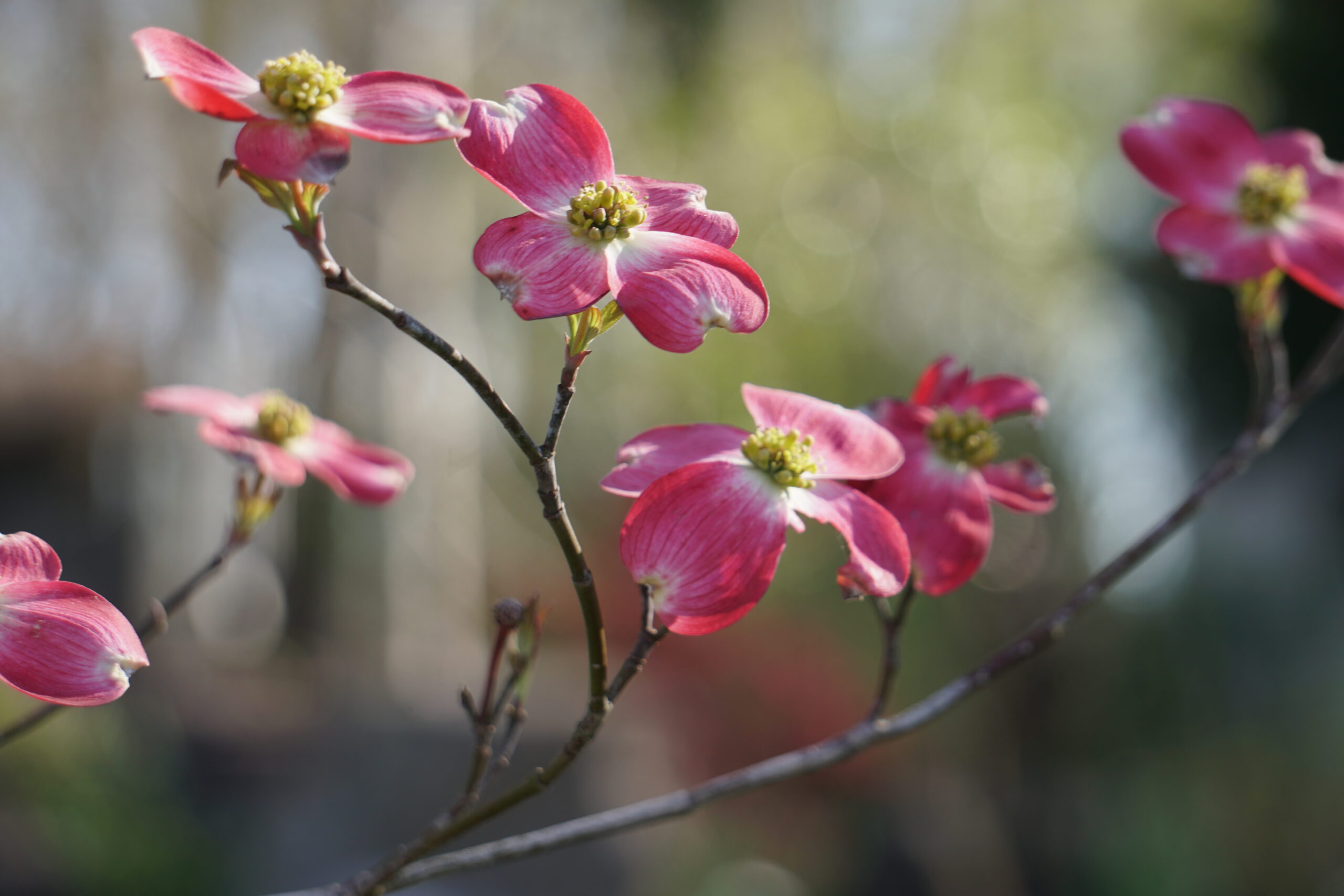
Hole 2 — Pink dogwood (Cornus florida, var. ruba)

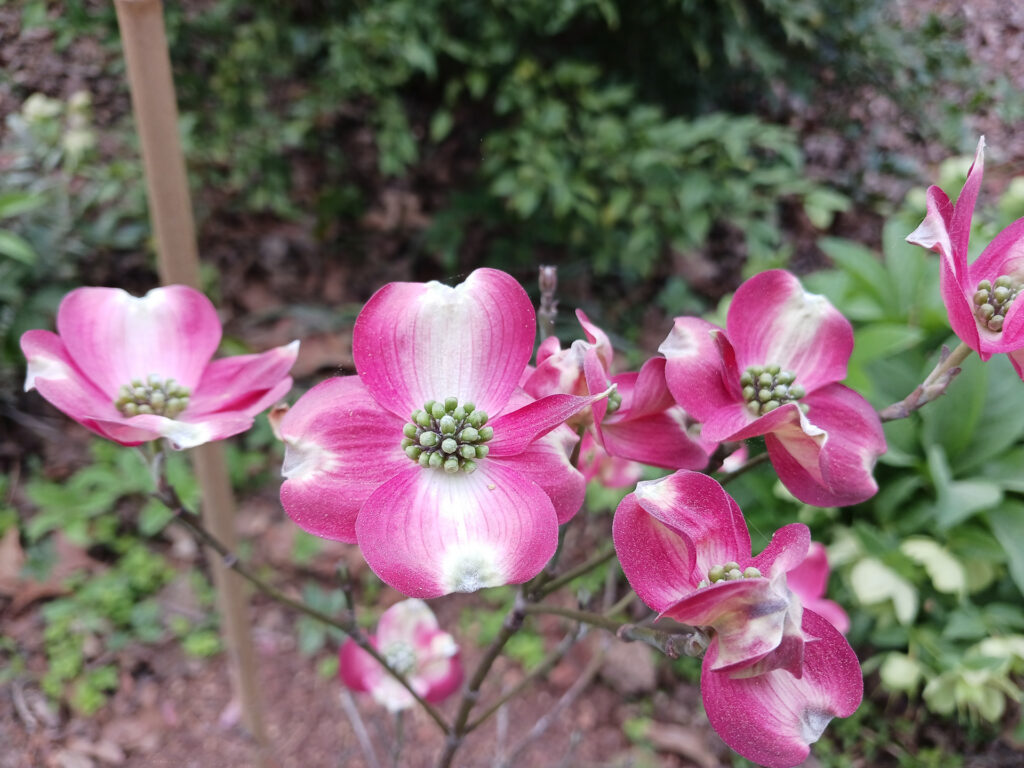
Flowering dogwood, including pink cultivars, is a South Carolina native that thrives as an understory tree in part shade. It offers high wildlife value and early-season blooms that support pollinators.
But placement matters.
“These plants perform best in the kind of conditions we naturally have under pines,” Turner said. “When you try to force them into full sun or stressed environments, that is when problems start.”
Serviceberry and eastern redbud offer similar spring color with fewer disease concerns.
Swap tip: Native dogwoods are preferred over hybrids for better disease resistance and ecological value.
Hole 3 — Flowering peach (Prunus persica)


Flowering peach trees provide striking spring blooms, but they come with tradeoffs. These ornamental trees require full sun and intensive maintenance and are prone to pests and diseases.
They are also relatively short-lived compared to other landscape trees.
Clemson experts recommend using them sparingly and suggest native options like Chickasaw plum or serviceberry for longer-lasting performance.
Swap Tip: Consider longer-lived alternatives such as flowering plum or redbud.
Hole 4 — Flowering crabapple (Malus hybrida)

Joey Williamson. © HGIC, Clemson University

Joey Williamson. © HGIC, University
Crabapples can be excellent pollinator plants with strong visual appeal, but not all varieties perform well in South Carolina.
The key is selecting disease-resistant cultivars. Without that step, trees can struggle with common issues such as apple scab and fire blight.
When carefully chosen, crabapples can thrive in full sun and provide multi-season interest.
Swap Tip: Native alternatives such as serviceberry or hawthorn offer similar benefits.
Hole 5 — Magnolia (Magnolia grandiflora)
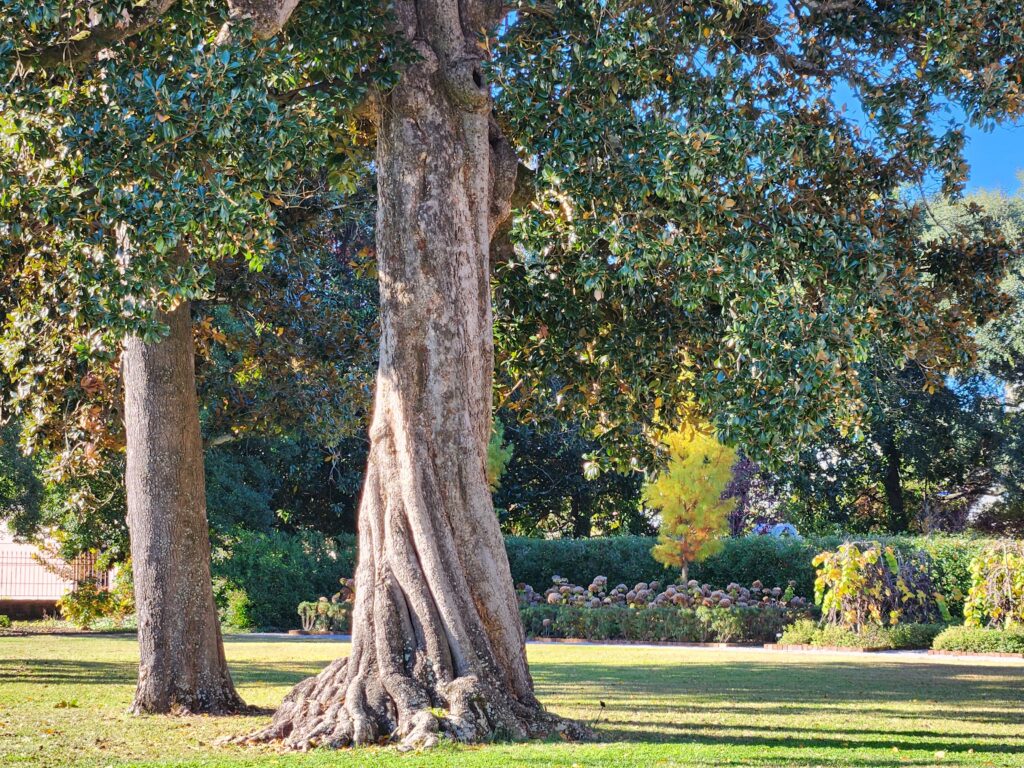
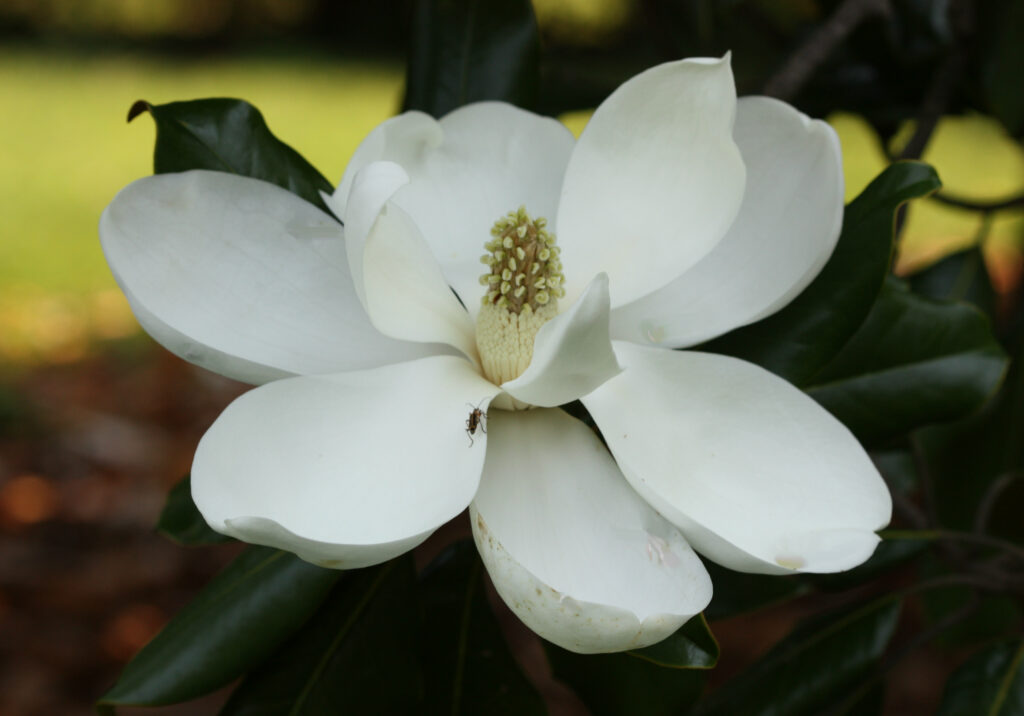

Few trees are as iconic in the South as the southern magnolia. This native evergreen thrives in full sun to part shade and is known for its large, fragrant blooms and glossy leaves.
“Magnolia is my favorite,” Jordan said. “It has that scent that really defines a Southern landscape, and it brings structure year-round.”
Its size makes it better suited for larger properties, though sweetbay magnolia offers a more compact option for smaller spaces.
Hole 6 — Juniper (Juniperus virginiana)
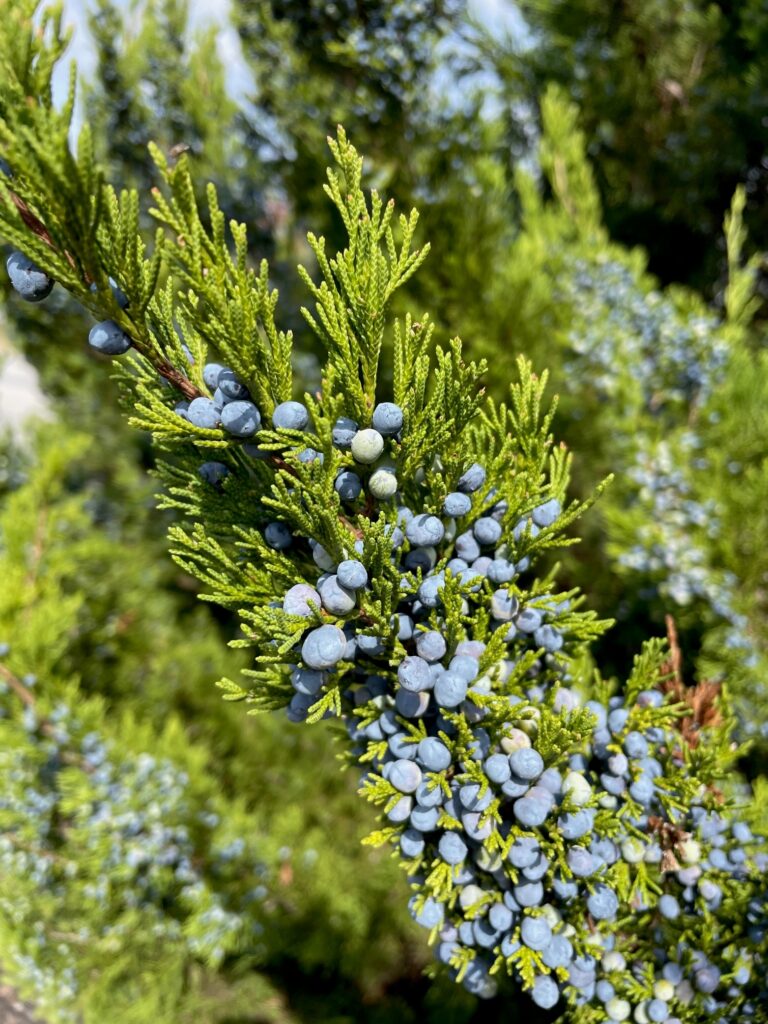
Junipers are valued for their durability. Many species thrive in full sun, tolerate drought and require minimal maintenance.
While generally resistant to disease, they can occasionally experience pest problems, such as bagworms or scale. Native selections and alternatives, such as wax myrtle or dwarf yaupon holly, can provide a similar function while adding ecological value.
Use with caution: Proper spacing is key to avoid overcrowding and disease issues.
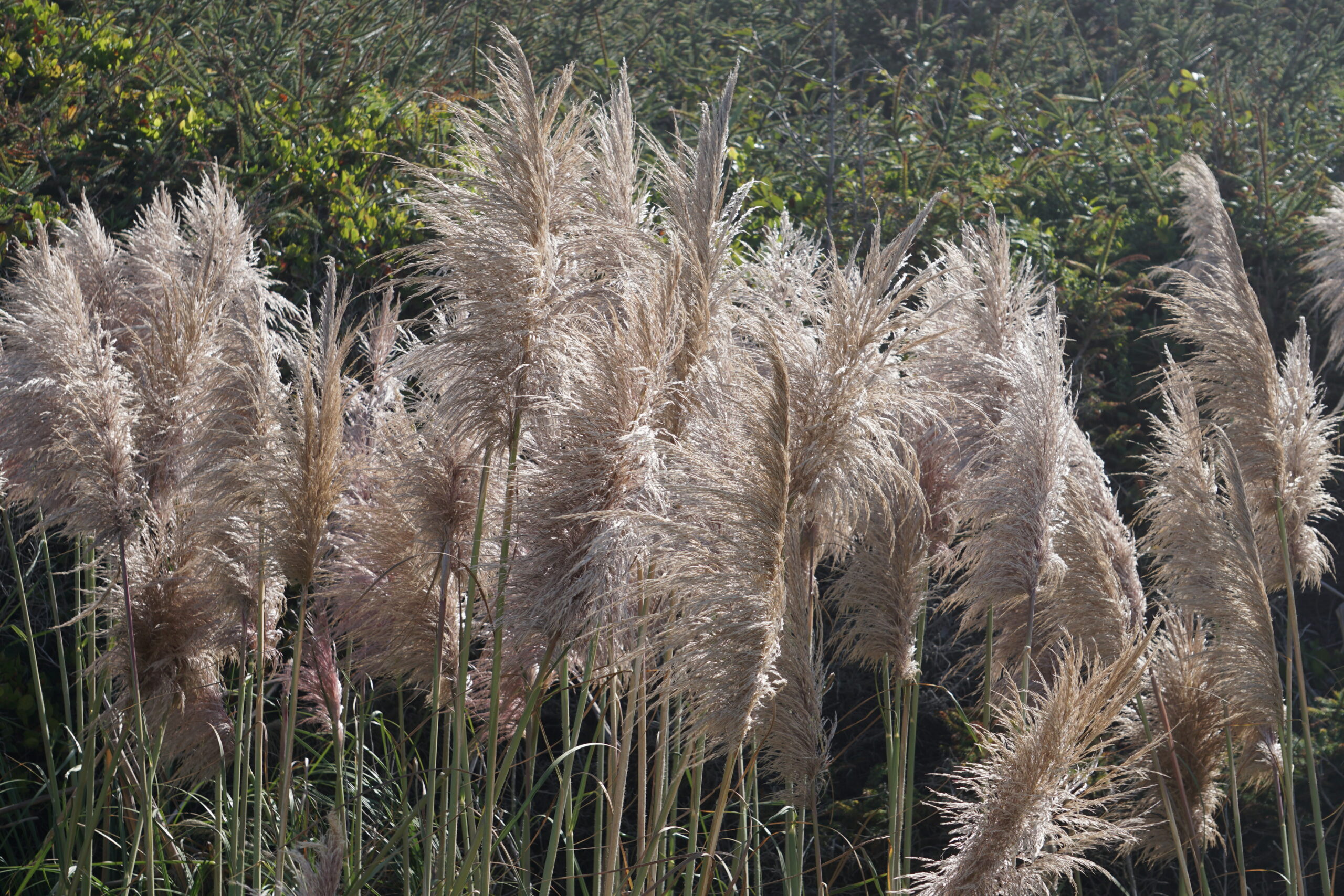
Hole 7 — Pampas grass (Cortaderia selloana)

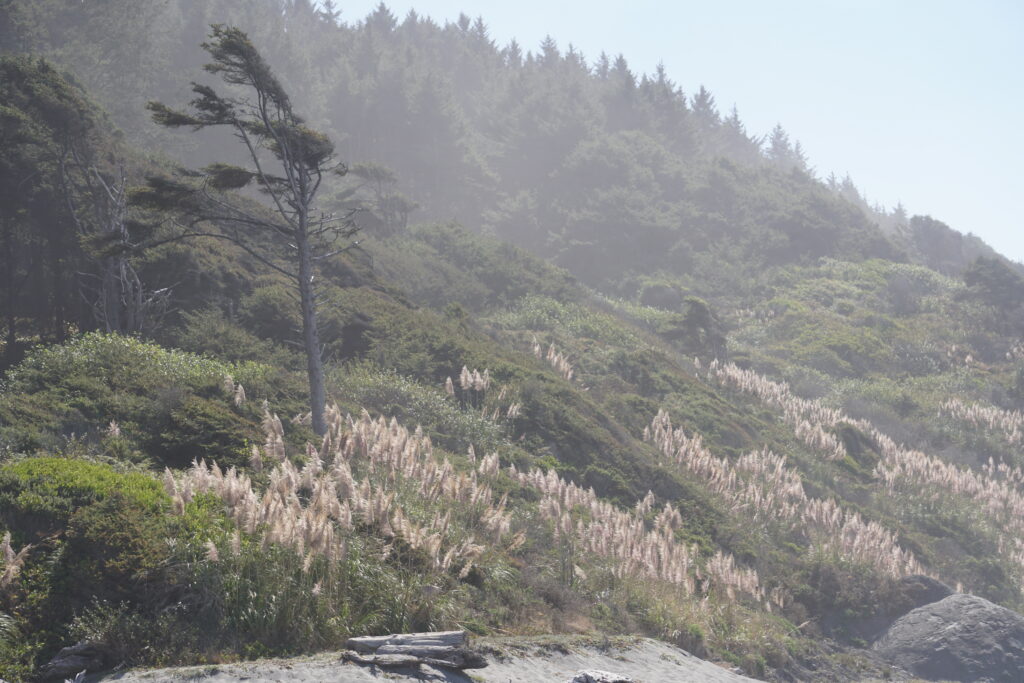
Pampas grass is known for its tall, feathery plumes, but Clemson experts strongly discourage planting it. It can become invasive, is difficult to manage and poses fire risks due to dry foliage.
“It may look impressive, but it does not provide much ecological value,” Turner said. “There are better options that support wildlife and still give you that movement and texture.”
Recommended swap: Native ornamental grasses, such as switchgrass or muhly grass, provide a similar texture without the downsides.
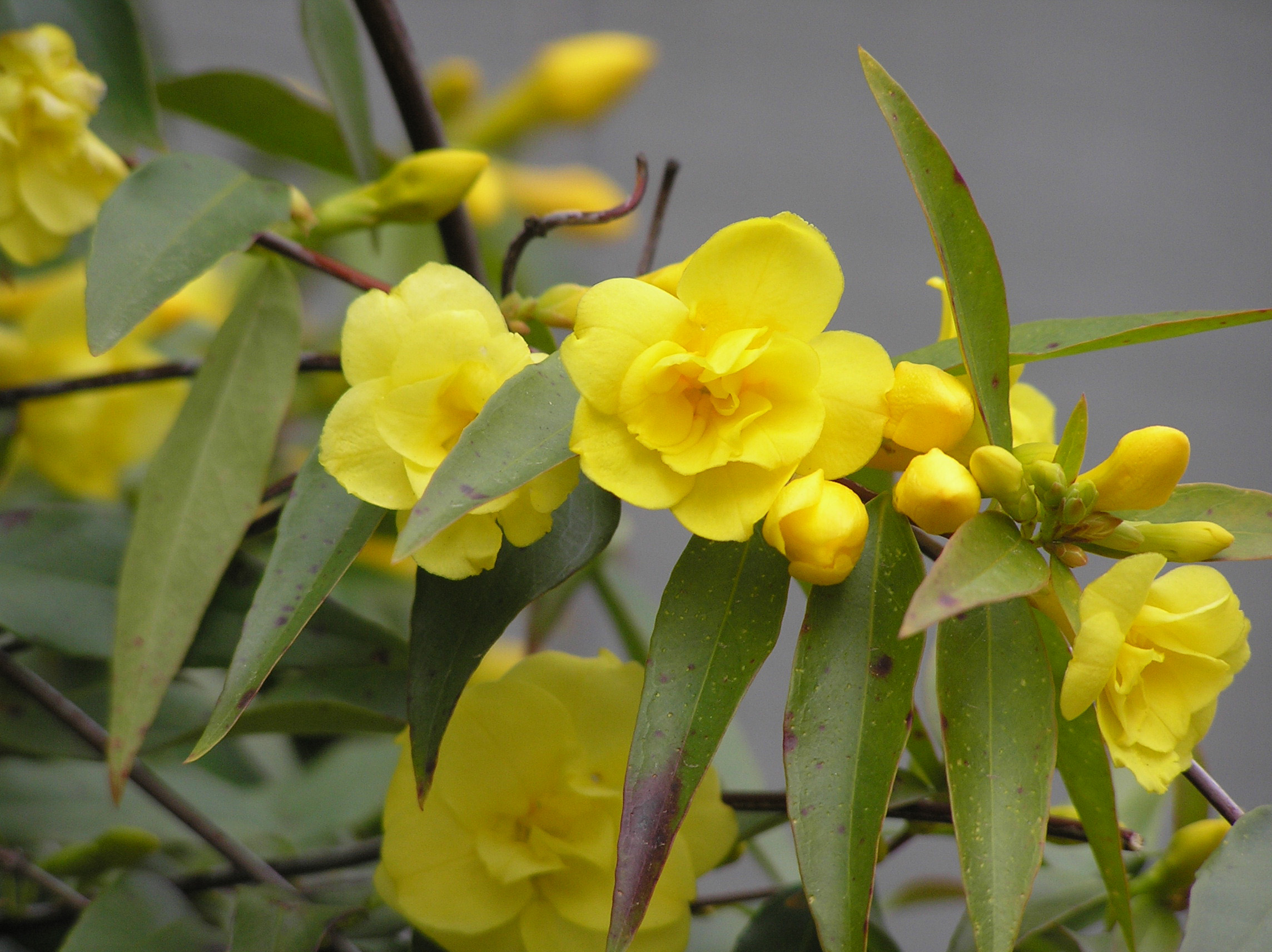
Hole 8 — Yellow jasmine or Yellow jessamine (Gelsemium sempervirens)


Carolina jessamine is a native vine that produces bright yellow blooms in late winter to early spring and serves as an early nectar source for pollinators.
But not every expert recommends it.
“I know it is our state flower, but it is not one I recommend for most home landscapes,” Jordan said. “It can look thin and unstructured, and there are better options that provide stronger visual impact.”
Recommended swap: Coral honeysuckle offers a similar vining habit with extended bloom periods.
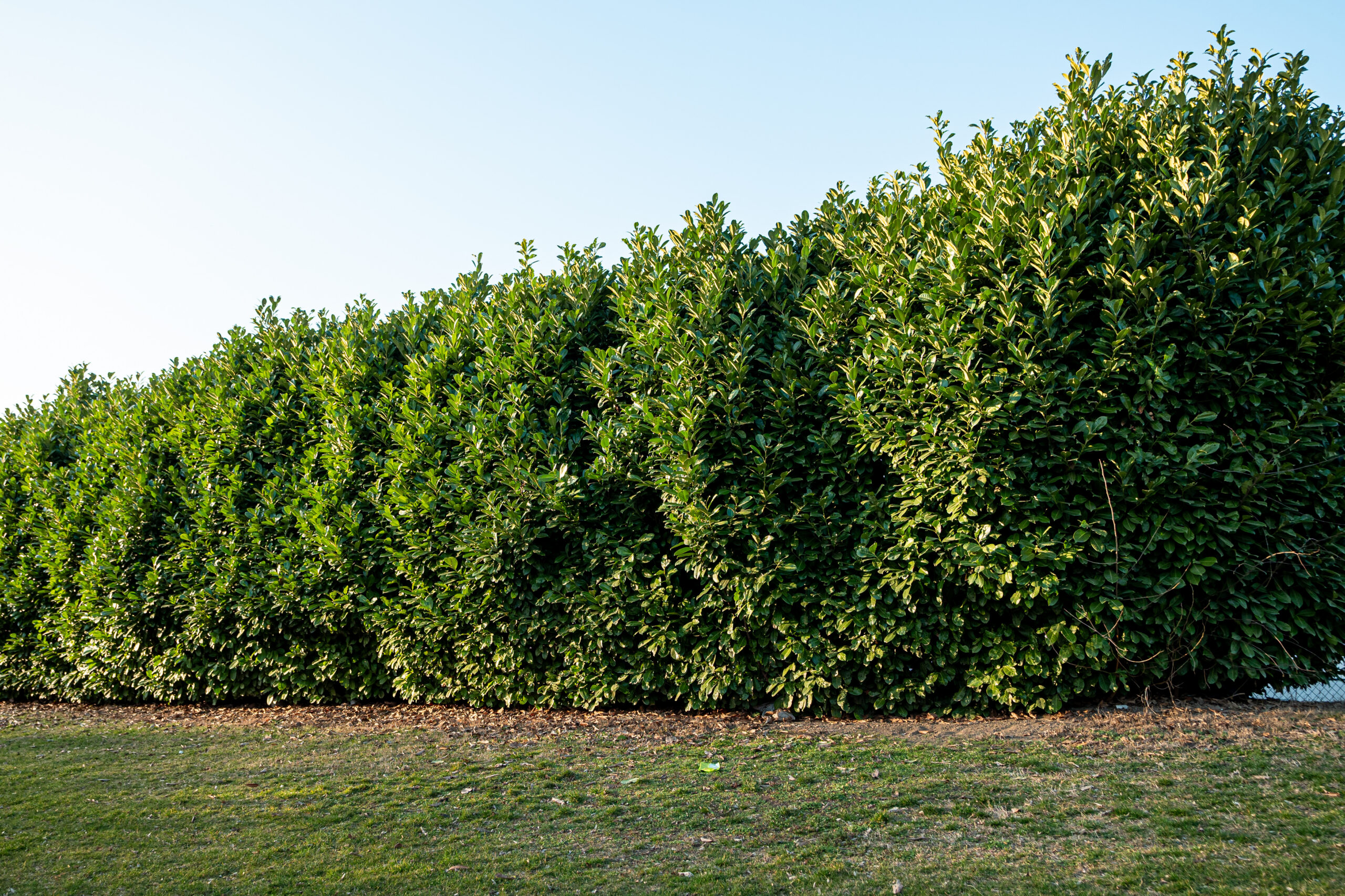
Hole 9 — Carolina cherry laurel (Prunus caroliniana)
Carolina cherry laurel is a native evergreen that performs well across a range of light conditions and is commonly used as a dense hedge or screen.
“Cherry laurel is one of those plants that just works,” Jordan said. “It gives you structure, screening and that year-round presence.”
Why it works in South Carolina: Tolerates heat, pruning and a range of soil conditions.
What homeowners should take away?
Augusta’s front nine offers more than visual inspiration. It reinforces a few key principles Clemson experts say apply to any South Carolina yard:
- Choose plants suited to your site’s sunlight and soil.
- Prioritize native or well-adapted species.
- Avoid invasive plants, even if they look appealing.
- Layer your landscape for year-round interest.
- Incorporate fragrance and seasonal color with intention.
“You do not need Augusta’s resources,” said Turner. “You just need the right plant in the right place.”
For those inspired to bring a piece of Augusta home, the South Carolina Botanical Garden will host its Spring 2026 Plant Sale this weekend, offering a wide selection of annuals, perennials, shrubs, trees and hard-to-find native plants suited for South Carolina landscapes.
Garden staff and partner organizations will be on hand to help homeowners choose the right plants for their space.
Friends of the Garden members can shop early on Friday, April 10, from 2 to 6 p.m. Public sale dates are Saturday, April 11, from 9 a.m. to 1 p.m., and Saturday, April 25, from 9 a.m. to 1 p.m. The April 25 event will serve as a second-chance sale, with no membership required.