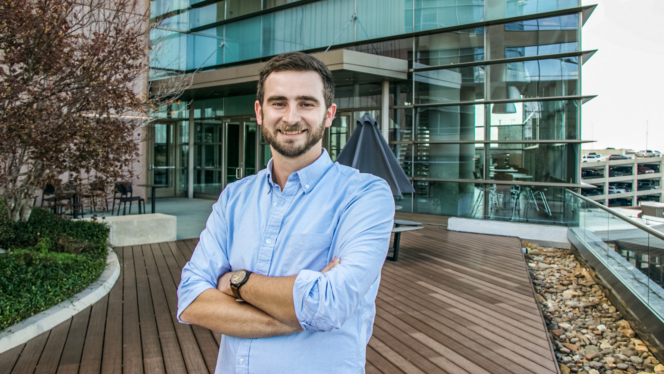
The monthly “Elevate Well-Being” blog series shares thoughts and reflections of Clemson Well-Being Council members and University faculty, staff and students. Our October 2026 blog is courtesy Vice President for Student Affairs Doug Hallenbeck.
In the Division of Student Affairs, well-being is the first of five strategic priorities that guide our team’s work, and that placement is intentional. If we want students to make the most of their Clemson experience, we have to help them care for the whole person — encompassing all eight dimensions of well-being.
A large part of that priority is to provide easy access to high-quality health care and counseling. That commitment has been exemplary and will only continue to grow through Clemson University’s partnership with MUSC Health and the comprehensive health care facility now under construction, scheduled to open next fall. It will expand the medical, counseling and psychological services not only students can access on campus, but also faculty and staff!
But well-being is not only about the care you receive when something is wrong. It is also about the habits you build when things are going well. Eat well. Prioritize sleep. Make time to move. These habits prepare your body and mind for success. By eating quality food, sleeping well and moving more, you enhance your ability to learn, engage with others and be the best version of yourself.
I’m a firm believer in developing a “habit of movement.” Running marathons and participating in Spartan races have reinforced for me how much physical activity can strengthen my body and mind. Students can find their own version of that through Campus Recreation — whether it’s a fitness class, intramural or club sport, outdoor adventure or a workout at Swann Fitness Center, Douthit Hills Fitness Center or the Snow Complex. With about 600,000 annual swipe-ins at these facilities, students are clearly making movement part of their Clemson routines.
For faculty and staff, that habit might look different. It could be a walk across campus between meetings or time outside at lunch. The activity matters less than finding something you enjoy enough to make part of your routine.
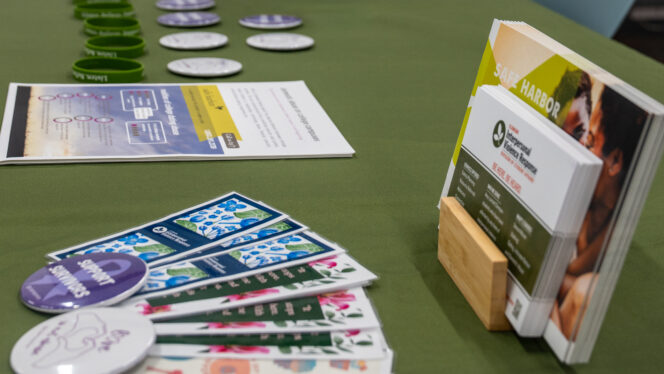
Movement is only one piece. Clemson’s online well-being hub breaks down supportive resources for students, faculty and staff. For students, a recently-added page in Canvas connects you to Student Health Services, Campus Recreation, Healthy Campus, the CARE Network and other support. For faculty and staff, the Employee Assistance Program offers confidential support for you and your family, whether you’re navigating stress, a life transition, finances or simply what comes next.

I tell new students and families at events such as Orientation and Convocation each year that at no point in your life will you have as many people who care about your well-being as when you’re a college student. I believe that deeply.
After 30 years in higher education, I’ve learned that life requires physical and emotional endurance. Building both takes practice. It also takes people. Surround yourself with people who bring energy and encouragement into your life.
Take advantage of the people, places and resources around you. Build the habits now that will sustain you long after Clemson. And if you’re an employee reading this, consider starting small: protecting a lunch break, taking a walking meeting or scheduling an appointment you’ve been putting off. Small choices, repeated consistently, can become habits that help us sustain through demanding seasons.
Doug Hallenbeck, Ph.D.
Vice President for Student Affairs