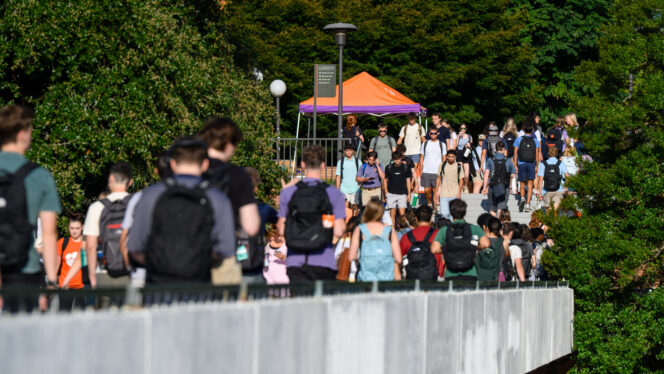

Clemson University began as an all-male military college in 1889, less than a quarter century after the Civil War ended. In the intervening 137 years, the University’s graduates have built a military heritage that is second to none. Much of that history has become Clemson lore, passed down from one graduating class to the next, but much of it continues to be lost to the ages, an ongoing tragedy that Clemson’s Special Collections and Archives office hopes to curtail.
“We’re interested in any sort of materials that tell the story of Clemson alumni’s military careers,” says Erica Morris, University archivist for military heritage.

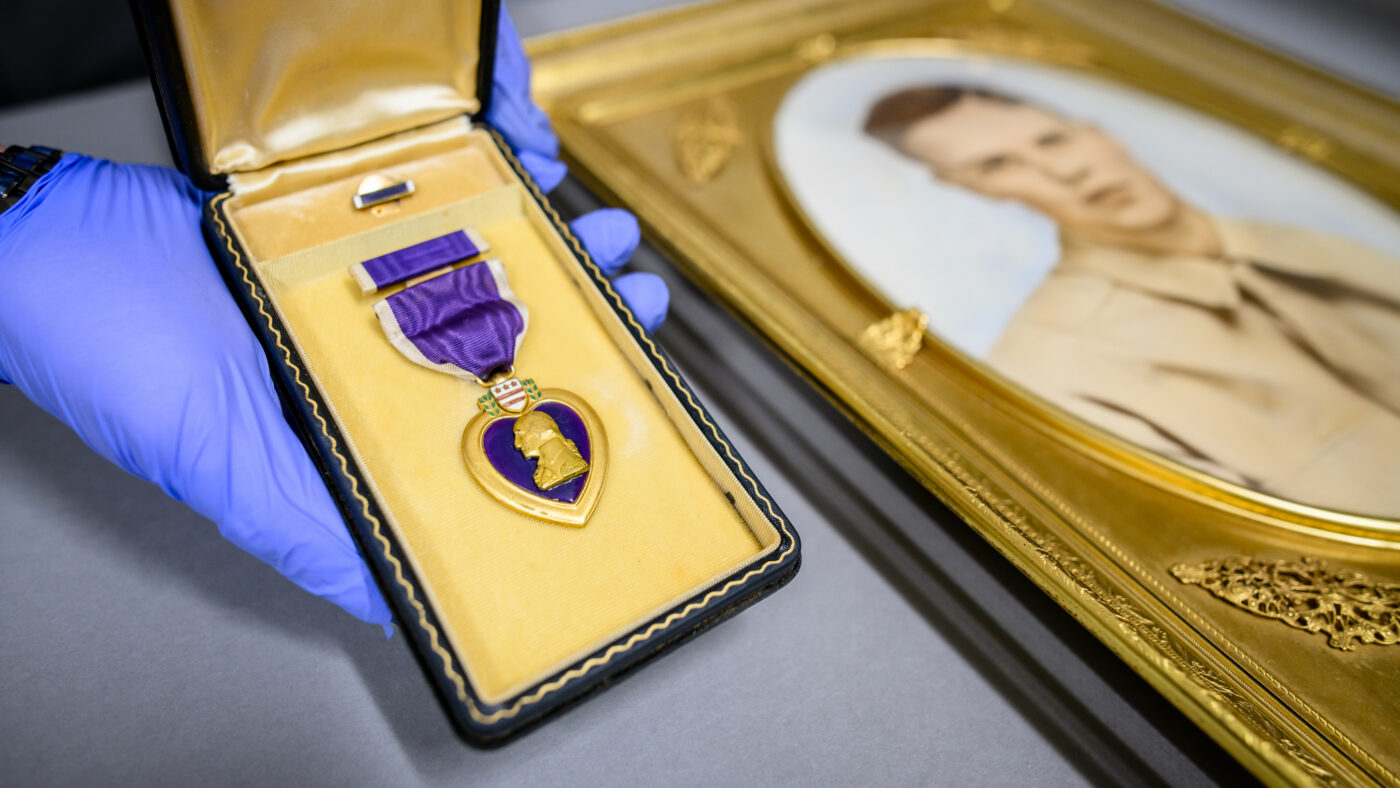
Sean Baker, exhibits and artifact curator for Special Collections and Archives, holds the Purple Heart awarded to William Clyde Fowler next to a portrait of Fowler, Sept. 8, 2026. Fowler served from April 1946 to April 1947 at the end of WWII, then enrolled at Clemson as a student veteran. He was called to service in the Korean War before he could complete his degree and was killed in action in 1951
Morris says the SCA’s military collections are extensive and include artifacts from more than 75 alumni, but there is always room for more, and notable gaps remain in the timeline.
For instance, 1948 graduate Bill Funchess’ memoir, “Korean POW: A Thousand Days of Torment” is one of the few pieces in the collection from the Korean War.
“That was very surprising to me,” says Morris, who started at her position in January, 2026. “I know he wasn’t the only one. There are 20 names in the Scroll of Honor who gave their lives in that war.”
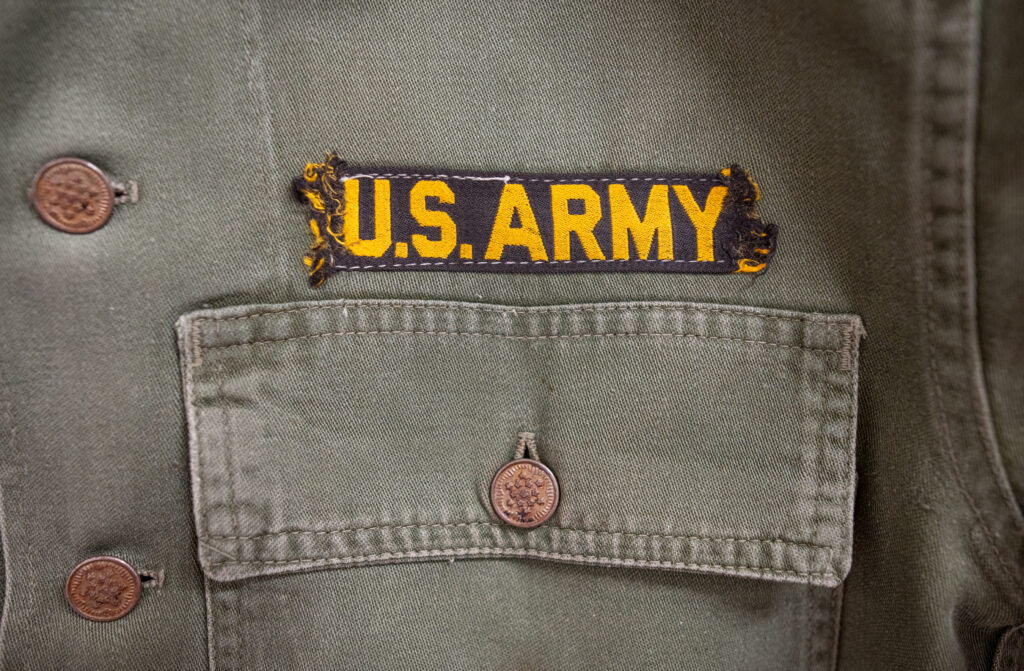
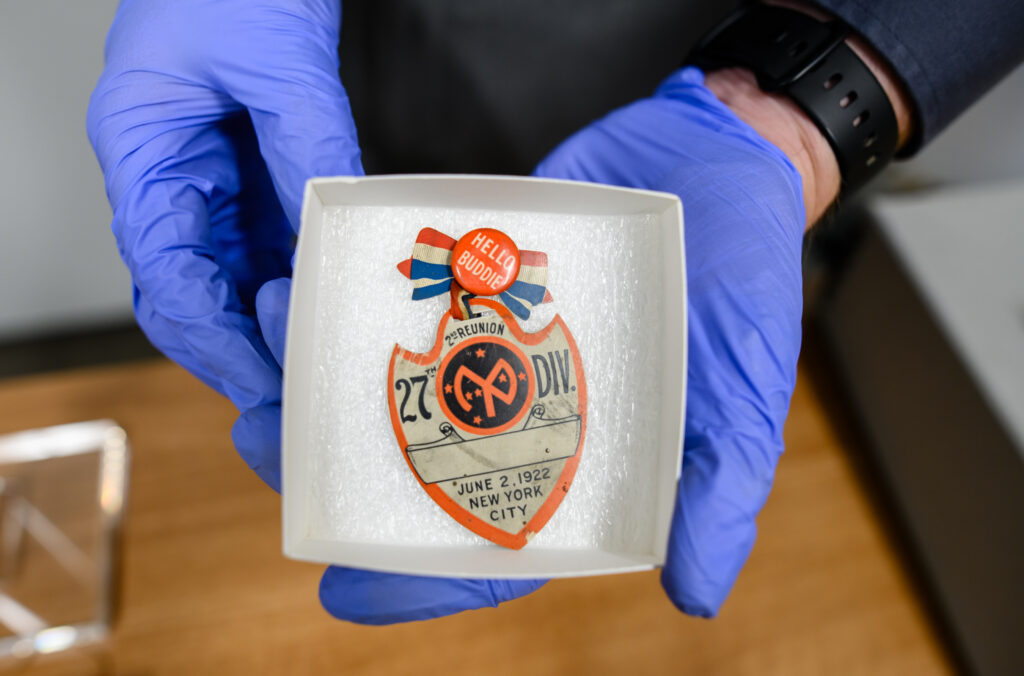
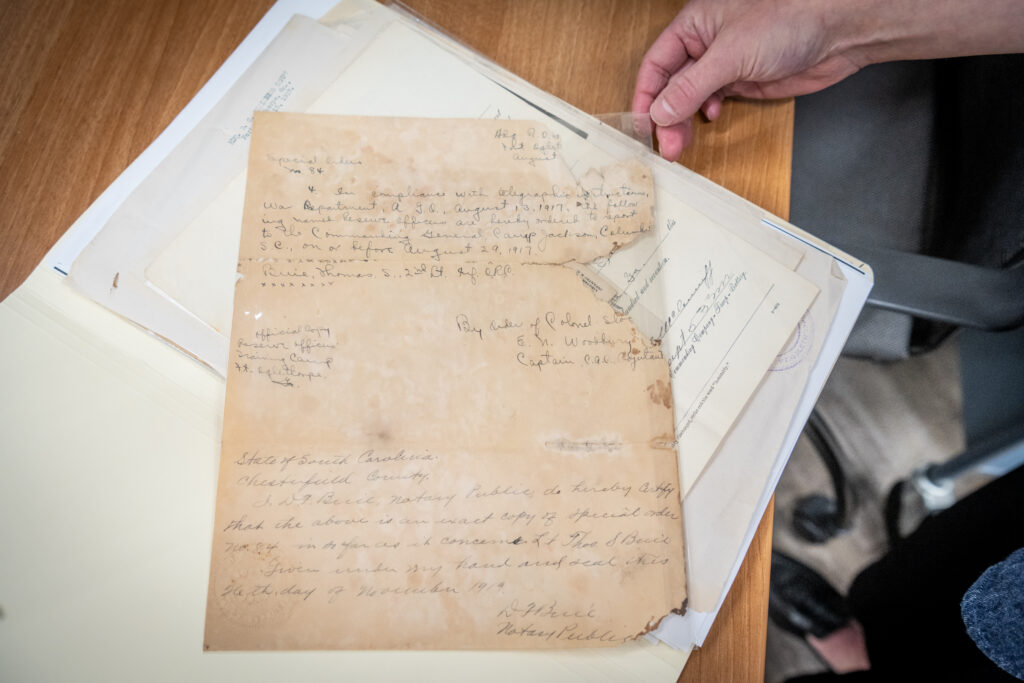
The kinds of items the SCA will accept are virtually limitless, ranging from Christmas cards, letters home and diaries to uniforms, medals, and formal military documents such as change-of-station orders and promotion papers. A recent donation from the family of Kennon Smith Breazeale ‘42 includes a letter he sent home less than a month before his death and the casket tag used after he was killed in action after the Battle of the Bulge in February 1945.
And SCA is not just looking for artifacts from Clemson alumni.

“We aim to celebrate not just Clemson’s military heritage, but that of the greater upstate of South Carolina and beyond,” explains Morris.
As an example, Morris refers to the Randall Scott Oral History Collection, which is a complete oral history of a Vietnam veteran who did not attend Clemson but grew up in Anderson.
“He was drafted and hurt his hand while in Vietnam, so he wasn’t able to write letters home,” Morris explains. “Instead, he used a small tape recorder to record himself talking and sent the tapes home. It’s very interesting because it’s a totally unique document of the Anderson African American community at the time. His family was also recording things and sending them back to him, and in some of them you can hear the radio playing in the background, or the old R&B records they were playing.”
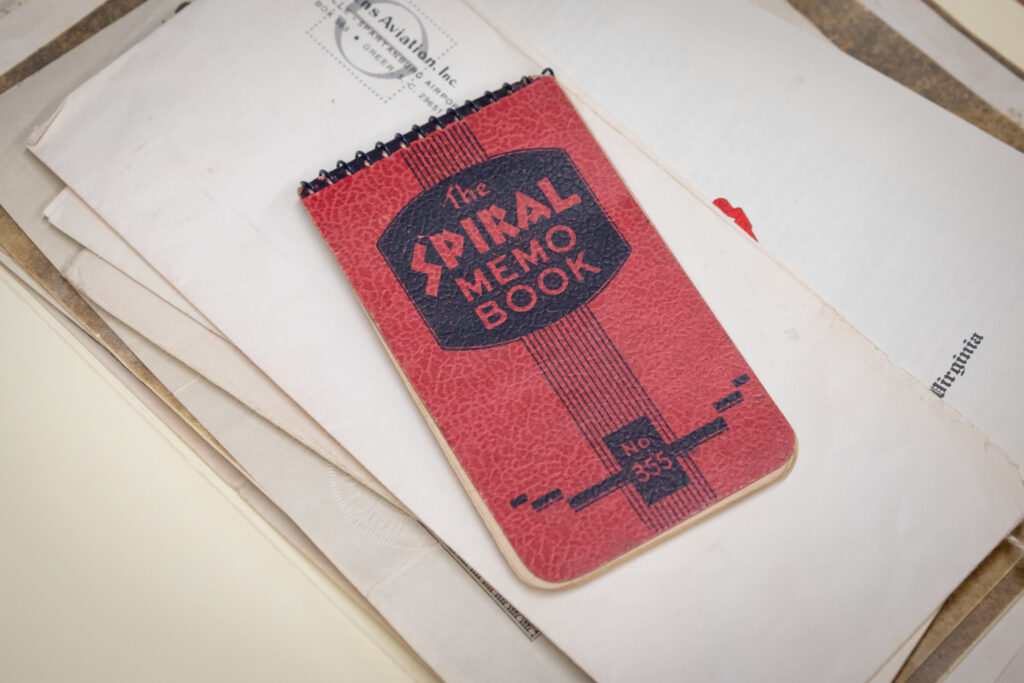


Another example is the Goodwin Family Collection, which holds the military records and diary of Henry Haskill Goodwin, Jr., who did not attend Clemson but served in the Air Force in WWII. Included in the collection is Goodwin’s “short snorter,” a group of paper banknotes taped together and signed by friends and fellow Airmen during the war.
The Goodwin Family Collection also includes artifacts from Goodwin’s son, Danny J. Goodwin ‘67, an Army officer who fought in Vietnam.
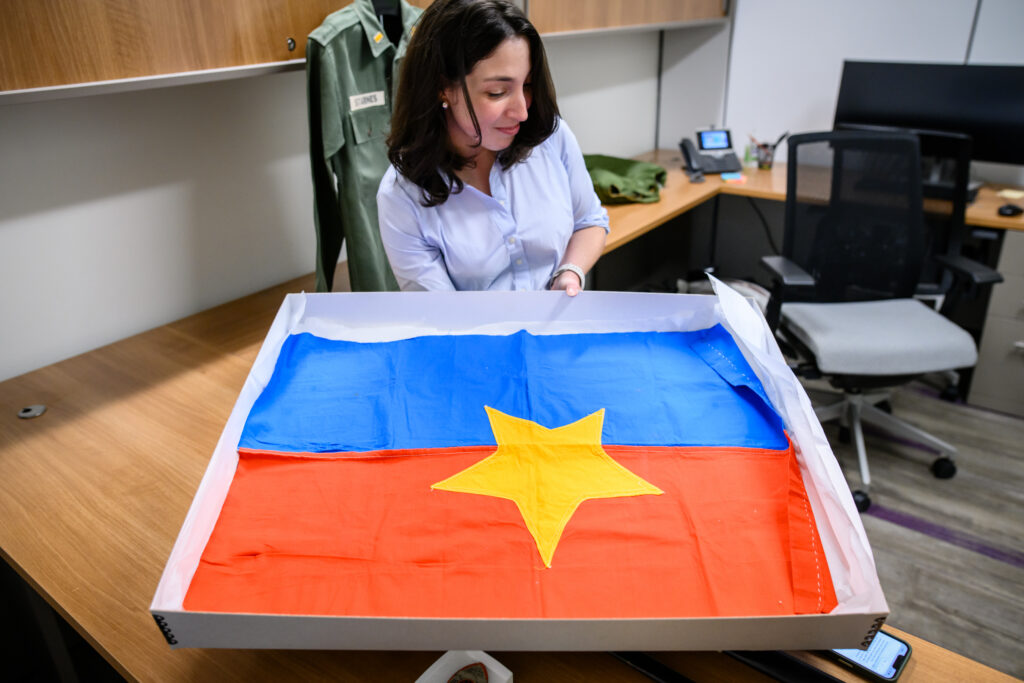
Missing from SCA are artifacts from the more recent wars in Iraq and Afghanistan. Veterans of those conflicts are still relatively young and may not think of “archives” when they look at the objects that hold memories from their military careers, but Morris says it is just as important for the SCA to preserve their stories as it is for veterans of WWI or WWII.
Operation Enduring Freedom (OEF) and Operation Iraqi Freedom (OIF) marked a shift in which service members began using paper, pen and film less and less and started using email and digital cameras. That data is also welcome in SCA.
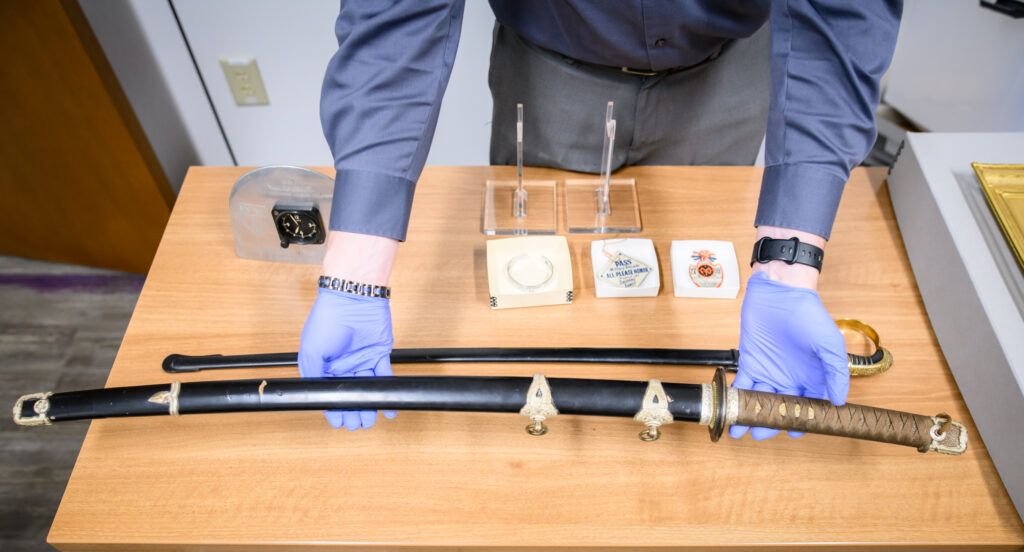
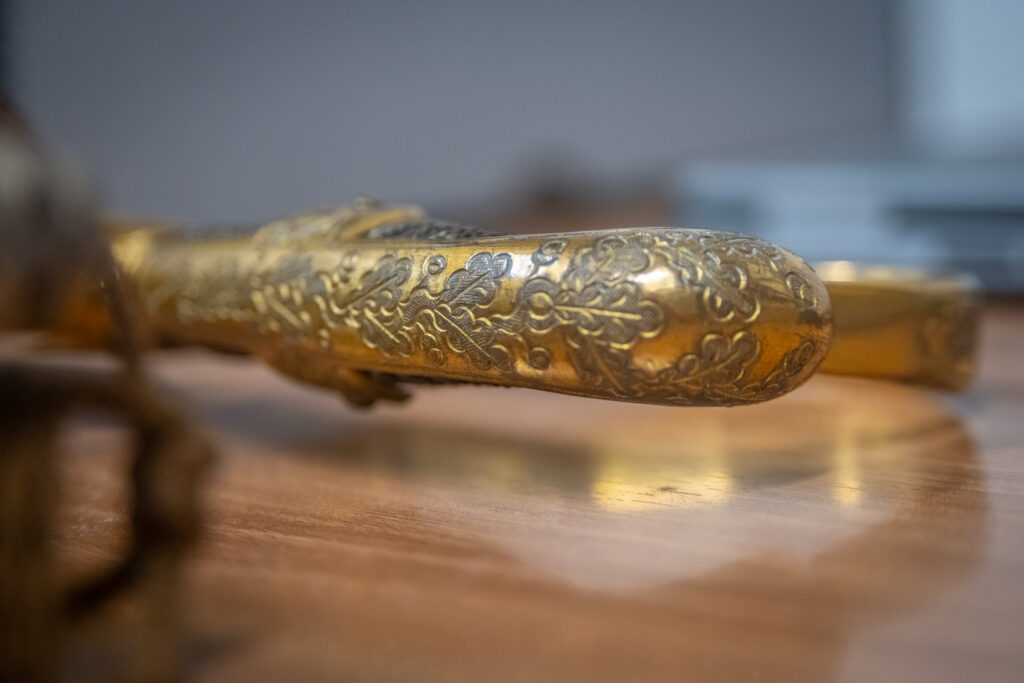
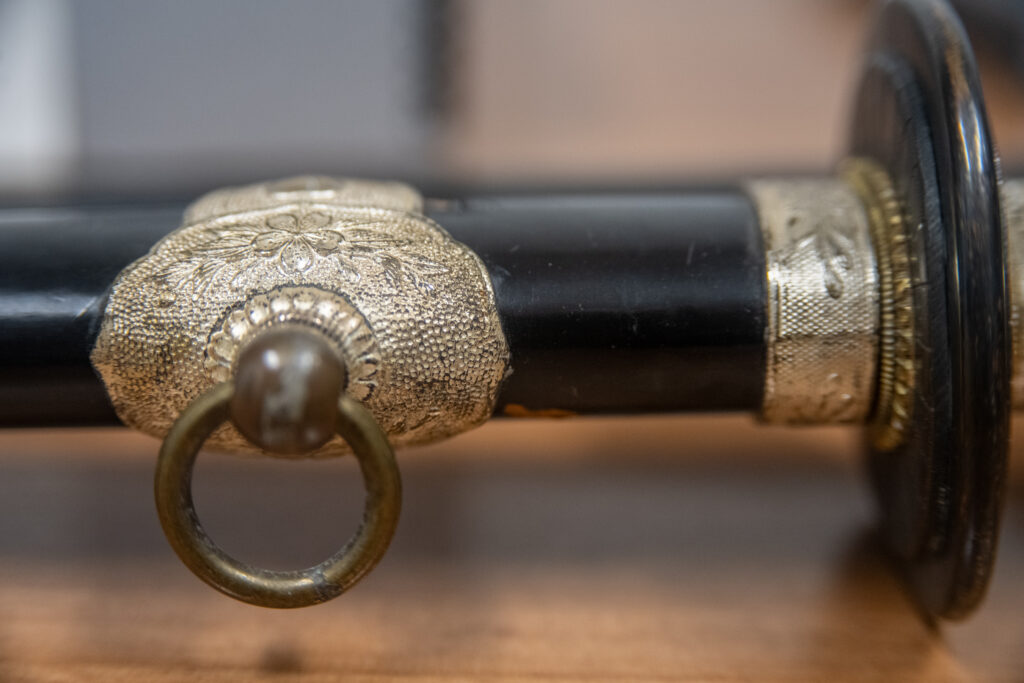

“Digital is an area that we’re trying to grow,” says Morris. “Photographs and writings on USB sticks, SD cards, and hard drives are just as useful to researchers as hard copies of those things.”
Morris says that donating a veteran’s items to SCA ensures that person’s legacy will endure, remaining available to researchers, students and ancestors in perpetuity. All items are stored in the Archives’ secure climate-controlled storage facilities and cared for by its diligent staff of professionals.

“When Special Collections and Archives acquires collections, we are not just preserving artifacts and papers, but the unique stories and experiences of the individuals to which they belonged,” Morris says. “Interacting with these materials, whether through research or viewing an exhibit, connects us to previous generations of Clemson students, alumni, veterans, military families, faculty, and staff.”

Clemson University has always had a deep appreciation for its military heritage. Morris says that by continuing to preserve these unique collections, SCA is ensuring that the stories and service of its military alumni will continue to reach future generations of Clemson students and South Carolinians.
“And because of that, they will never be forgotten.”