For most of my football fan life, I didn’t like Coach Nick Saban. Alabama might have called him Saint Nick, but the rest of the country had other names for him. I distinctly remember sitting in the Georgia Dome for the 2008 Chick-fil-A Kickoff, watching Alabama beat Clemson 34–10, and swearing I’d never go back because the place was cursed. (So much for the curse: Clemson won there in 2012).
But after Coach Saban retired, I began to hear other stories. I started listening to him on ESPN’s College GameDay and was surprised by his commentary and by the things he felt mattered most about college football. I guess my heart softened. I became curious, and my husband and I recently started watching the ESPN docuseries “Saban.”
My respect for the man has grown. One part of his coaching philosophy has really stuck with me: six seconds. Saban describes how his focus shifted from the scoreboard to what he could coach players to do in the next six seconds — about the length of an average football play. When I was struggling during treatment, I thought a lot about looking at it through that lens. What was the very best I could do, with what I had on hand, to conquer the next six seconds?
Too often, we look at outcomes first instead of breaking our habits into small, doable pieces that fit our current circumstances. We jump ahead to what we want to achieve rather than focusing on what’s in front of us right now. There’s a reason so many wellness practices start with mindfulness, meditation, gratitude and small, achievable goals: these habits train us to think in terms of “six second” type actions.
In one of my very favorite books, “Compassionomics,” Stephen Trzeciak and Anthony Mazzarelli show that even a brief moment of genuine, eye-to-eye connection with a patient supports clinician well-being and satisfaction, as well as patient satisfaction. It’s the same idea: a small, deliberate choice to connect first.
Practicing gratitude is another six-second practice. It doesn’t take much, but it makes us pause, redirect our thoughts and find a sense of stability and hope in the middle of whatever we’re doing. We have so much to be grateful for at Clemson, and the Clemson Health and Well-Being Needs Assessment articulated it clearly: our beautiful built environment, social networks and colleagues, the opportunity to contribute to the happiness of others, and much more. Reflecting on those results fills me with gratitude, and with hope for all we can do in the Spring semester to keep building on the strong foundation we truly have.
So, this idea of six seconds has stayed with me as we head into Thanksgiving and the holiday season. We all have six seconds to spare. Consider what you could do with yours: connect, take a break, reach out to someone, take a deep breath or reflect on the things that fill you with gratitude.
Coach Saban might not tell you to take a break, go for a walk or breathe some fresh air. He might tell you to run the field, drop and do push-ups, or run it again. But when you’re in that moment of feeling like you might fail, or struggling with your situation, here are some real things that work for me in my six-second space:
- Taking a walk away from the situation always helps me lower the temperature.
- Reaching out to a friend, loved one or mentor who will listen helps me feel seen and valued.
- Making a plan for what to do when tough six-second moments happen builds my confidence and self-reliance.
- Seeking resources that can help me along the way helps me be successful.
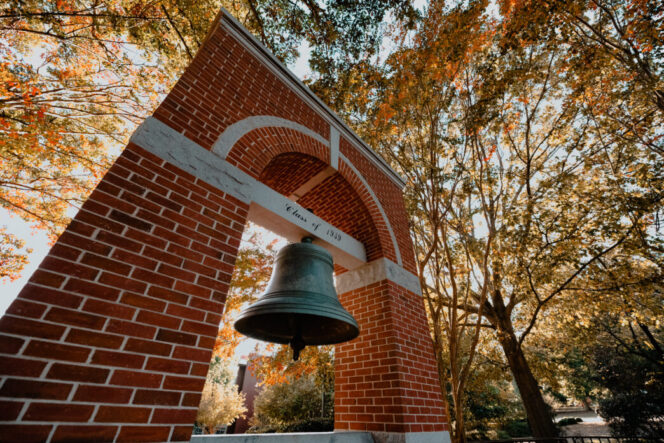
We have these things at Clemson. We have a beautiful campus to take a walk and breathe. We have colleagues and mentors and Wellness Ambassadors. We have tons of resources in our Well-Being Resource Hub. And we even have certified well-being coaches if you want some outside coaching to help you create a plan.
Right now, most people are thinking about the next six seconds to get through exams, maybe graduate, get home or enjoy the holidays. But January will come and many people will be thinking about their health and well-being goals and new year’s resolutions. What if instead of thinking about the outcome you want at the end of a mythical New Year’s resolution, you thought today, of what you could do in the next six seconds to invest in your well-being?
For me, I am getting up from my desk after finishing this, stretching, walking around and then coming back for the next six seconds.