Clemson University scientists have developed five field pea varieties tailored to growing conditions in the Southeast and increasing demand for plant-based food ingredients. The varieties can provide farmers with a winter cash crop on land that might otherwise remain fallow or be used for cover crops.
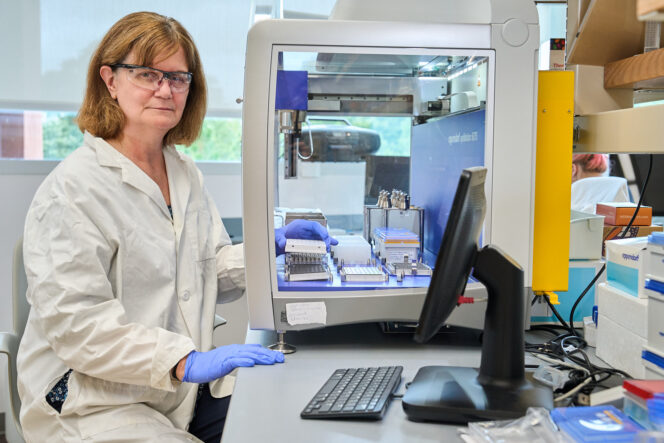
The work began in 2020 through Clemson’s Pulse Quality and Nutritional Breeding Program, led by Dil Thavarajah, a professor of pulse quality and nutritional breeding.
“These are among the first organically bred field pea varieties developed specifically for Southeast production systems, creating new opportunities for farmers while meeting growing demand for nutritious plant-based foods,” Thavarajah said.
Chris Gesswein, executive director of the Clemson University Research Foundation, said releasing five varieties at once is a significant milestone for Clemson and reflects a decade-long investment in the Advanced Plant Technology program.
“These varieties have the potential to transform how field peas are grown across the Southeast, giving farmers access to new markets while strengthening domestic supplies of plant-based protein,” Gesswein said. “Consistent with Clemson’s public-service land-grant mission, this research-driven work advances agriculture, supports regional rural economies and benefits consumers.”
Most dry peas are grown in Idaho, Washington, Montana, North Dakota and South Dakota, with additional production in California and Oregon. Clemson’s varieties were tested at WP Rawl farm in Pelion, South Carolina, under working-farm conditions.
The new varieties are certified organic by the U.S. Department of Agriculture and resistant to powdery mildew. Seeds are now available. For more information, contact Thavarajah at 864-656-2607.

New varieties
Each variety was developed for different growing conditions and markets.
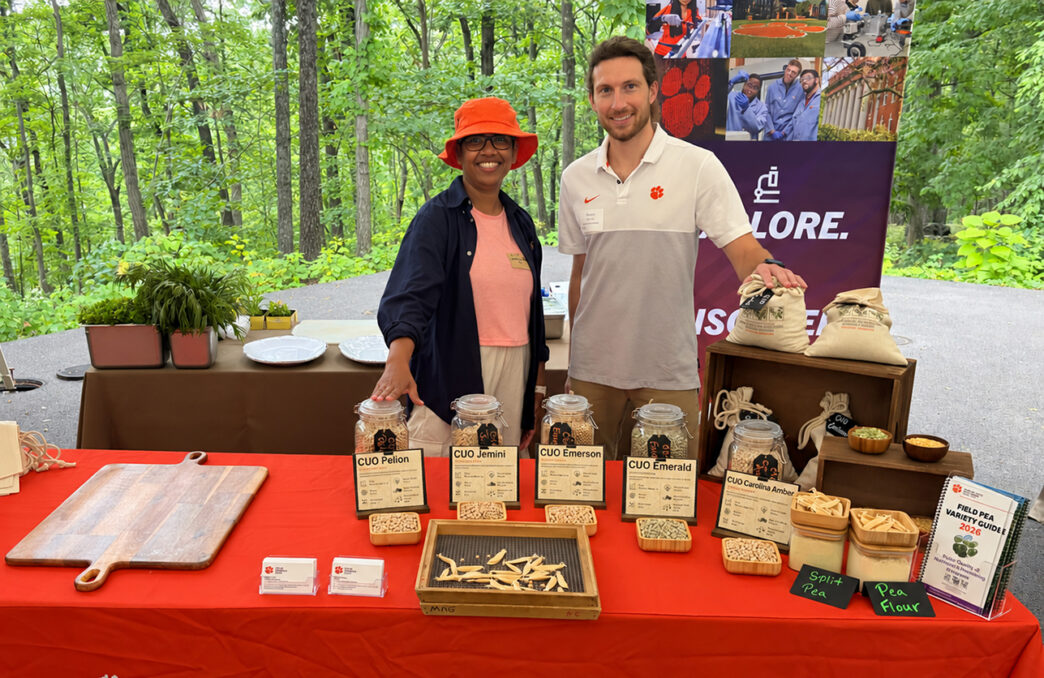
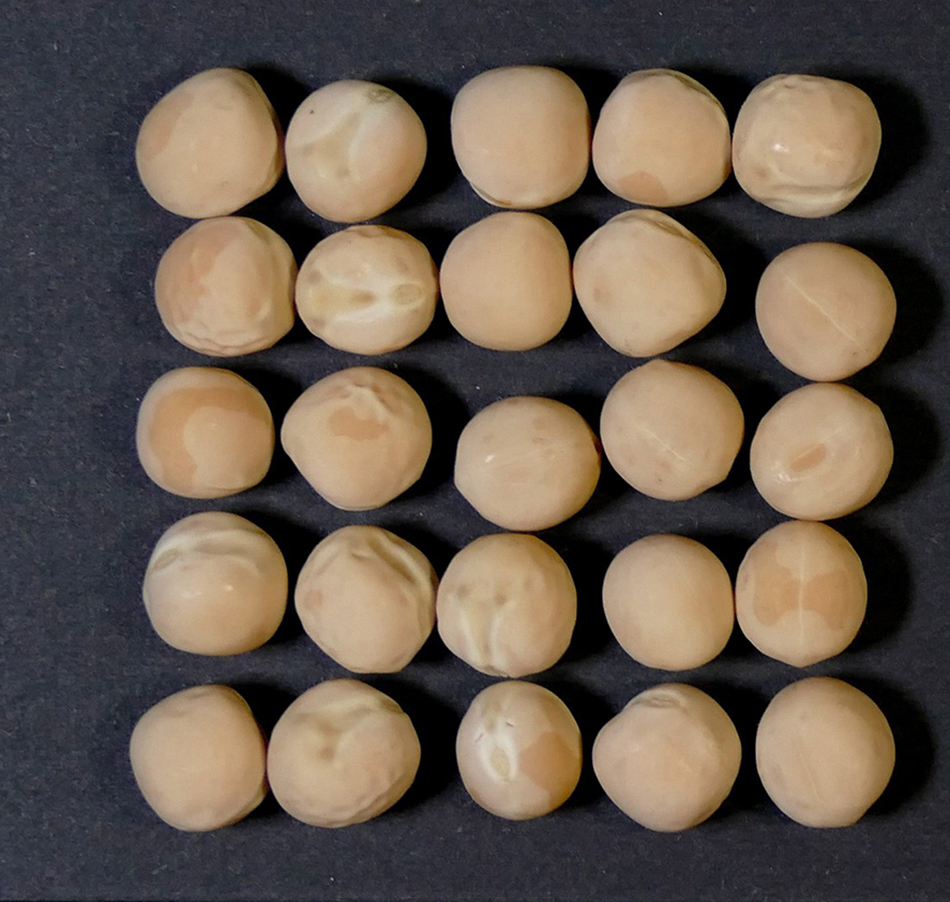
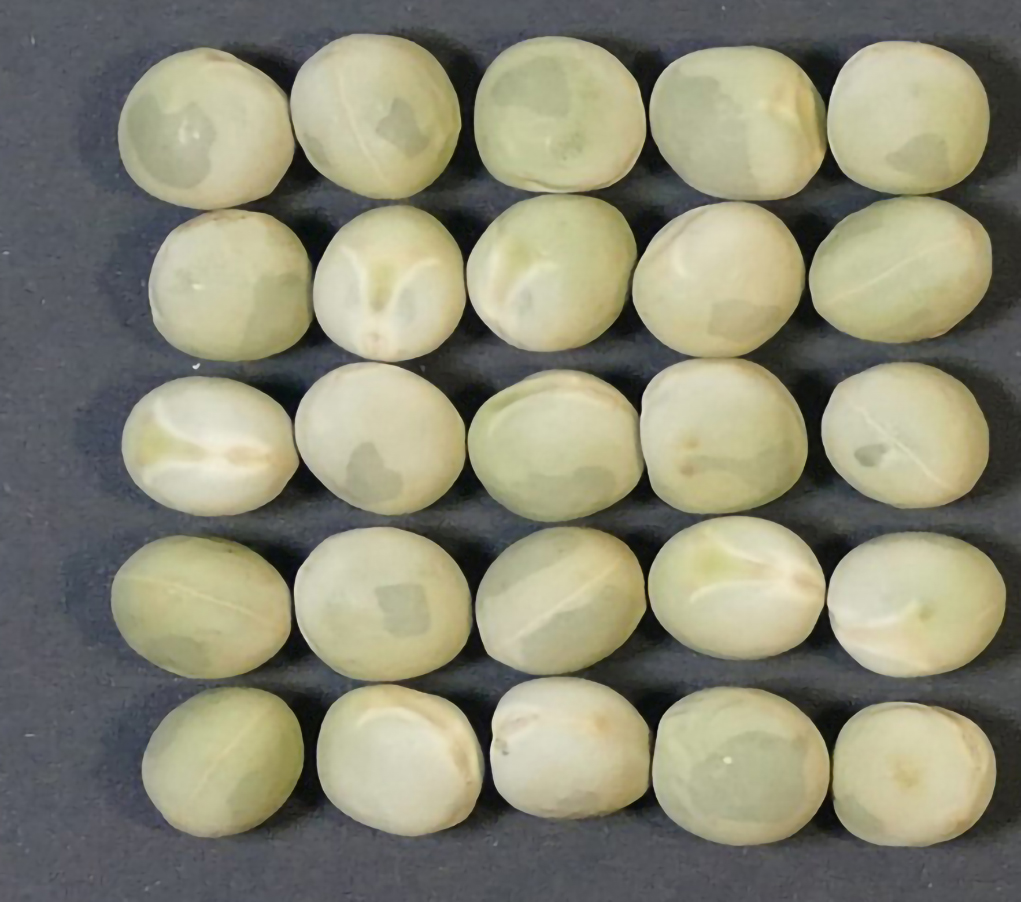
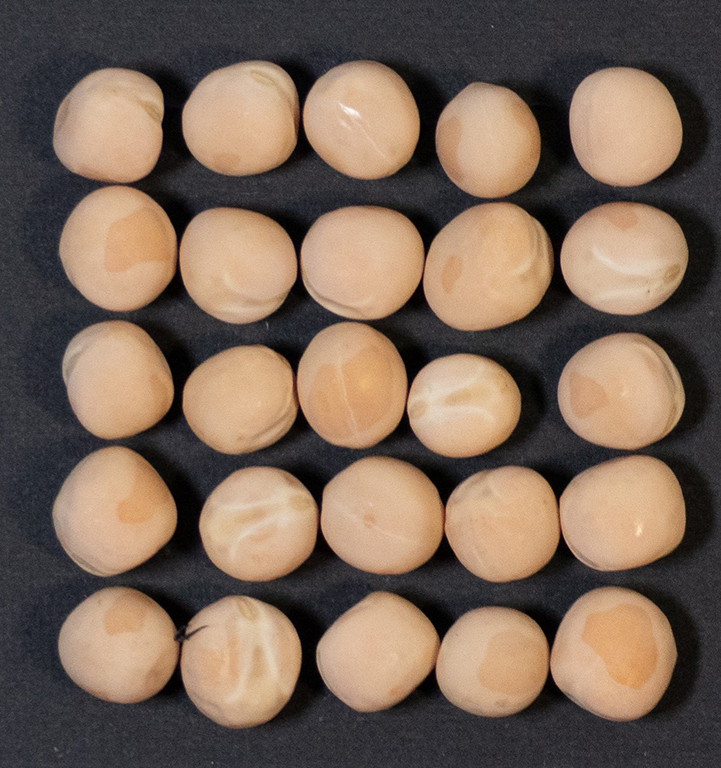
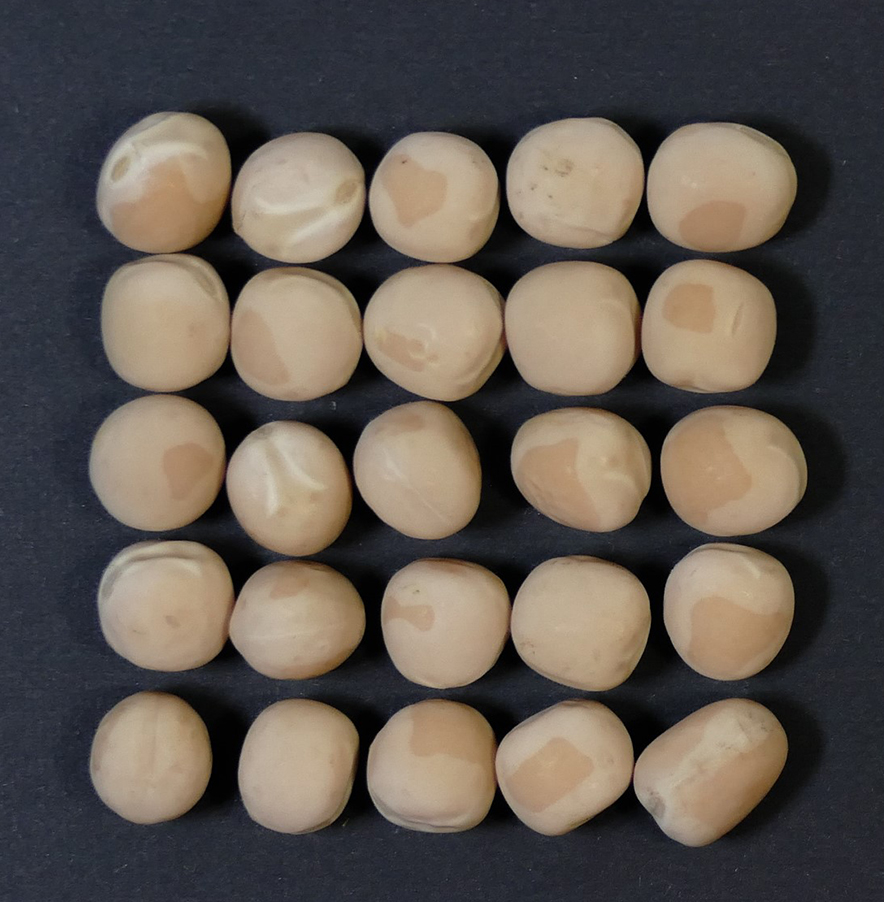
Carolina Amber is an extra-small yellow pea developed for food processors. Its protein and starch content make it useful in products such as canned vegetables, protein powders and gluten-free foods. Emerald is a green-seeded field pea developed for specialty food and gluten-free markets. It performs particularly well in clay loam soils and is adapted for large-scale mechanical harvesting.
Emerson is an early-maturing yellow field pea designed for coastal regions. It reaches harvest in about 104 days and combines strong yields with a mild flavor.
Jemini balances yield, protein and starch quality for culinary uses, canning and milling. Pelion produces medium-large yellow peas, adapts to a wide range of soils and contains 22.4% protein, making it suitable for food products and plant protein ingredients.

Potential soil benefits
As legumes, field peas add crop diversity and support nitrogen fixation, microbial activity and gradual nutrient cycling. They do not eliminate the need for fertilizer in crops with high nutrient demands, but provide supplemental nitrogen and contribute to soil health.
“Rather than replacing cover crops, field peas can be used as a complementary tool that can provide both soil-building benefits and a harvestable crop,” said Ashley Rawl, owner of WP Rawl farm. “They may be especially effective when used with other species for weed suppression and erosion control.”
The peas are compatible with organic production systems, may improve soil structure and can dry naturally in the field without moisture-absorbing chemicals. Organic field peas could also generate revenue from land that would otherwise remain fallow or be used only for cover crops, said Francisco Torres, organic farm manager.
Challenges remain, including harvesting equipment, postharvest handling, storage and market development.
“But the outlook is promising as new varieties continue to be evaluated,” said Josh Hall, field operations manager.
This project is funded by the USDA National Institute of Food and Agriculture Organic Agriculture Research and Extension Initiative.